
Tuxedo cats—those striking black-and-white felines that look as if they are dressed for a formal evening—are among the most recognizable and beloved cats in the world. Despite the common phrase “tuxedo cat breed,” tuxedo is not a true breed. It is a coat color pattern that appears across many breeds and mixed-breed domestic cats. This comprehensive blog article explores everything about tuxedo cats: the genetics behind the pattern, popular breeds that display it, physical traits, temperament realities versus myths, daily care, health considerations, famous examples, adoption advice, and practical ownership tips. Whether you already share your home with a tuxedo or are considering one, this guide provides the depth needed to understand and care for these elegant companions.
What Exactly Is a Tuxedo Cat?
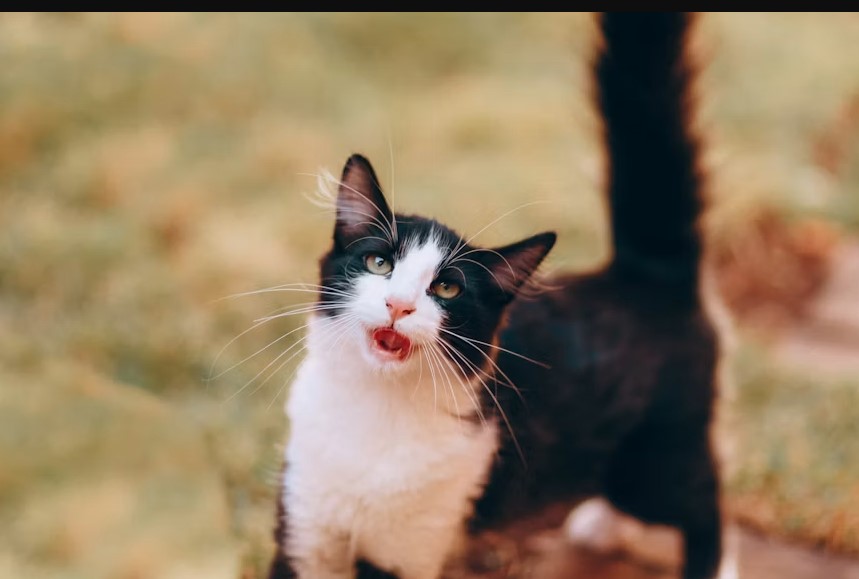
A tuxedo cat has a predominantly black coat with white markings on the chest, belly, paws (often called “gloves” or “socks”), and sometimes the face (a “blaze” or chin). The overall effect resembles formal evening wear—a black tuxedo jacket with a white shirt front. Variations range from classic full tuxedo to more random black-and-white patches. The pattern results from the piebald or white-spotting gene, which interrupts solid black coloration. Genetics determine the amount and placement of white: low white produces a classic tuxedo, while higher white can create van or harlequin patterns. Tuxedo markings occur in both short- and long-haired cats and in purebred and random-bred populations alike. Because the pattern is not breed-specific, a “tuxedo cat” can be a Domestic Shorthair, Domestic Longhair, American Shorthair, British Shorthair, Maine Coon, or many other breeds.
History and Cultural Significance of Tuxedo Cats
Black-and-white cats appear in art and literature for centuries. In many cultures they were associated with good fortune, balance, or formality. In the modern era, tuxedo cats gained widespread recognition through media and celebrity ownership. Their high-contrast markings make them photogenic and memorable, contributing to their popularity in shelters and homes. The pattern itself carries no inherent behavioral traits, yet folklore sometimes attributes special personalities to tuxedo cats—claims that are largely anecdotal. Understanding the history helps separate myth from reality and appreciate tuxedo cats as individuals rather than stereotypes.
Check Also: Big House Cat Breeds
Popular Breeds That Commonly Display the Tuxedo Pattern
While any cat can inherit the piebald gene, certain breeds and populations show tuxedo markings more frequently:
- Domestic Shorthair and Domestic Longhair: The most common tuxedo cats. These mixed-breed cats display endless variations of the pattern and form the majority of shelter tuxedos.
- American Shorthair: Sturdy, classic cats that often appear in crisp black-and-white tuxedo coats. Known for even temperaments and adaptability.
- British Shorthair: Plush-coated cats that look especially formal in tuxedo markings. Calm and independent.
- Maine Coon: Large, longhaired cats whose tuxedo versions combine size with dramatic black-and-white contrast.
- Persian and Exotic Shorthair: Occasionally produce tuxedo patterns, though solid and pointed colors are more common.
- Other breeds: Scottish Fold, Ragdoll (rare), and various mixed lines can also carry the pattern.
Each breed brings its own size, coat length, and temperament, so the “tuxedo” label alone does not predict personality or care needs.
Physical Characteristics of Tuxedo Cats
Because tuxedo is a pattern rather than a breed, physical traits vary widely. Short-haired tuxedos typically have sleek, easy-care coats; long-haired versions require more grooming. Eye color is usually gold, green, or hazel. Size ranges from small (8–10 pounds) to large (15–20+ pounds) depending on the underlying breed or mix. White markings can be symmetrical or asymmetrical; both are normal. Some tuxedos have white on the face that creates a “mask” effect, while others show only a white chest and paws. The pattern does not affect skeletal structure or overall health beyond any breed-specific predispositions.
Temperament: Separating Myth from Reality
A persistent myth claims tuxedo cats are especially friendly, intelligent, or “dog-like.” While many individual tuxedos are affectionate and interactive, personality is shaped far more by genetics, early socialization, and individual experience than by coat color. Tuxedo Domestic Shorthairs often display the typical range of domestic-cat behaviors: affectionate with family, independent at times, playful, and sometimes vocal. Owners frequently describe their tuxedos as bold, curious, and social, yet these traits appear across all color patterns. Proper socialization during kittenhood remains the strongest predictor of a confident, well-adjusted adult cat.
Care Requirements for Tuxedo Cats
Care follows the underlying breed or mix rather than the tuxedo pattern itself.
Grooming: Short-haired tuxedos need weekly brushing; long-haired ones require more frequent sessions to prevent mats. White areas may show dirt more readily and benefit from occasional cleaning. Nail trims, ear checks, and dental care are essential for all cats.
Diet and Nutrition: High-quality complete cat food appropriate for age and activity level. Portion control prevents obesity. Fresh water should always be available.
Exercise and Enrichment: Daily play with interactive toys, climbing structures, and puzzle feeders keeps tuxedo cats mentally and physically healthy. Vertical space is especially valuable in multi-cat homes.
Litter and Housing: Provide enough litter boxes (one per cat plus one extra). Indoor living is safest; supervised outdoor time or catios can enrich life if desired.
Veterinary Care: Annual check-ups, vaccinations, parasite prevention, and dental cleanings. Spay or neuter unless part of a responsible breeding program.
Health Considerations
The tuxedo pattern itself carries no unique health risks. Any health issues are linked to the specific breed or mixed heritage. White spotting can occasionally be associated with deafness when combined with blue eyes, though this is more common in predominantly white cats. Routine veterinary care, weight management, and early detection of common feline conditions (dental disease, kidney issues, hyperthyroidism) support long, healthy lives. Average lifespan for well-cared-for tuxedo domestic cats is 12–18 years or more.
Famous Tuxedo Cats and Cultural Impact
Tuxedo cats appear frequently in media and public life. “Socks,” the Clinton family cat, became a White House celebrity. Fictional tuxedos and real-life internet stars continue to raise the pattern’s profile. Their formal appearance makes them popular subjects for photography, calendars, and social media, reinforcing their cultural visibility.
Pros and Cons of Living with a Tuxedo Cat
Pros:
- Striking, photogenic appearance.
- Wide availability in shelters.
- Personality diversity—many are affectionate and interactive.
- Pattern does not dictate high or low maintenance beyond coat length.
Cons:
- No single “breed” standard, so temperament and size vary.
- White areas may require extra cleaning.
- Individual cats still need full socialization and care.
Adoption and Finding a Tuxedo Cat
Shelters and rescues frequently have tuxedo cats available. Adoption is an excellent option that gives a home to a cat in need. When seeking a purebred tuxedo, research breeders who health-test and prioritize temperament. Always meet the individual cat, observe behavior, and ask about history and health.
Detailed Daily Care Routines and Enrichment Ideas
A typical day for a tuxedo cat includes morning play, scheduled meals, access to windows or cat trees, interactive sessions in the evening, and quiet bonding time. Enrichment can include cardboard boxes, paper bags, feather wands, treat puzzles, and rotating toys. For multi-cat households, provide multiple resources to reduce competition. Regular grooming sessions double as bonding opportunities, especially with long-haired tuxedos.
Training Tips Specific to Tuxedo Cats
Most tuxedo cats respond well to positive reinforcement. Clicker training can teach tricks, recall, or harness walking. Consistency and short sessions work best. Address any unwanted behaviors (scratching furniture, nighttime activity) with environmental management and redirection rather than punishment.
FAQs
1. Is tuxedo a real cat breed? No. Tuxedo is a color pattern that appears in many breeds and mixed cats.
2. Are tuxedo cats friendlier than other cats? Personality is individual; coat color does not determine friendliness.
3. Do tuxedo cats shed a lot? Shedding depends on coat length and season, not the pattern.
4. Are tuxedo cats good with children and other pets? Many are, especially when socialized early, but assess each cat individually.
5. What health problems do tuxedo cats have? None unique to the pattern; any issues relate to breed or individual genetics.
6. How long do tuxedo cats live? Typically 12–18 years or longer with excellent care.
7. Can I find a purebred tuxedo cat? Yes, in breeds such as American Shorthair or British Shorthair, though mixed-breed tuxedos are more common.
8. Do white markings affect vision or hearing? Extensive white combined with blue eyes can increase deafness risk; classic tuxedo markings rarely do.
9. How much does a tuxedo cat cost? Adoption fees are usually low; purebred prices vary by breeder and pedigree.
10. Are tuxedo cats hypoallergenic? No cat is fully hypoallergenic; individual reactions vary.
Conclusion
Tuxedo cats captivate with their formal black-and-white elegance, yet their true value lies in the individual personalities behind the pattern. Whether a sleek Domestic Shorthair or a fluffy Maine Coon in tuxedo markings, these cats offer companionship, playfulness, and quiet loyalty. Understanding that “tuxedo” describes color rather than breed frees owners to focus on the specific needs of their cat—socialization, enrichment, health care, and love. By choosing responsibly, providing consistent care, and appreciating each cat as an individual, you can enjoy many years with a tuxedo companion. These black-and-white cats remind us that beauty comes in many patterns, but character is what truly defines a beloved pet.