
Big house cat breeds bring a majestic presence, playful energy, and deep affection into everyday living spaces. These large domestic cats—often weighing 12–25 pounds or more—offer the impressive size of their wilder cousins while remaining fully adapted to indoor life as loving companions. Unlike true wild cats, big house breeds such as the Maine Coon, Ragdoll, Norwegian Forest Cat, and Siberian thrive as family pets when given proper space, care, and stimulation. This comprehensive blog article explores the most popular big house cat breeds, their histories, physical traits, temperaments, care requirements, health considerations, training tips, enrichment ideas, and practical advice for owners. Whether you are drawn to the gentle giant Maine Coon or the relaxed Ragdoll, this guide will help you understand what it takes to share your home with a large feline friend.
Why Big House Cat Breeds Are So Appealing
Large domestic cats appeal to people who want a substantial companion with striking looks and engaging personalities. Their size creates a “wow” factor without the challenges of wild or hybrid animals that require specialized permits. Many big house cats are known for dog-like traits—following owners from room to room, playing fetch, or greeting guests at the door. They often form strong bonds, tolerate children well when socialized, and adapt to apartment or house living as long as vertical space and enrichment are provided. Popularity has grown as owners seek cats that feel more substantial and interactive than smaller breeds. However, big cats come with higher food costs, more litter use, and greater space needs. Responsible ownership means matching the breed to your lifestyle, home size, and ability to provide exercise and mental stimulation.
Check Also: Big Domestic Cat Breeds
Summary Chart of Popular Big House Cat Breeds
Maine Coon: Gentle giant, 10–25 lbs. Affectionate, playful, dog-like. Moderate grooming. Excellent family cat. Ragdoll: Docile and floppy, 10–20 lbs. Relaxed, loving, tolerant. Moderate grooming. Ideal for calm homes. Norwegian Forest Cat: Rugged outdoor-adapted, 10–20 lbs. Independent yet loyal. High grooming needs. Suited to cooler climates. Siberian: Hypoallergenic powerhouse, 12–20 lbs. Playful, affectionate, adaptable. Moderate grooming. Good for allergy-sensitive homes. British Shorthair: Stocky and calm, 9–18 lbs. Easygoing, independent. Low grooming. Perfect for quieter households. American Bobtail: Sturdy and playful, 7–16 lbs. Dog-like, intelligent. Moderate grooming. Versatile companion. Savannah (later generations): Tall and athletic hybrid, 12–25 lbs. Energetic, curious. Low grooming. For experienced owners. Chausie (later generations): Jungle-inspired athletic, 15–25 lbs. Active, intelligent. Low grooming. Needs space and stimulation. Ragamuffin: Large and cuddly, 10–20 lbs. Extremely affectionate. Moderate grooming. Lap-focused. Turkish Van: Strong swimmer type, 10–20 lbs. Energetic, independent. Moderate grooming. Active homes.
In-Depth Profiles of Big House Cat Breeds
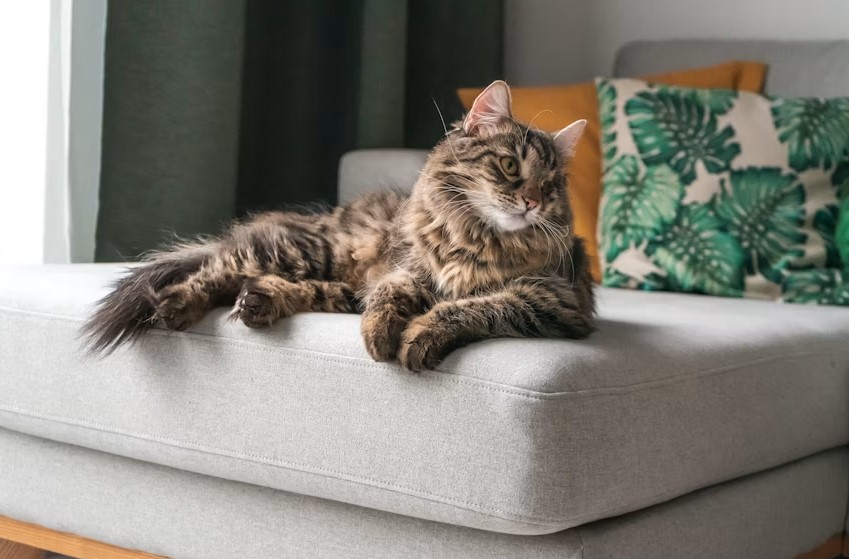
Maine Coon The Maine Coon is the quintessential big house cat and America’s native longhaired breed. Originating as hardy farm cats in Maine, they developed into large, tufted-eared, bushy-tailed cats capable of surviving harsh winters. Adults typically weigh 10–25 pounds, with males larger than females. Their coat is long, shaggy, and water-resistant, coming in many colors and patterns. Temperament is famously gentle and dog-like: they follow owners, enjoy interactive play, and tolerate children well. Care involves regular brushing to prevent mats, high-quality food to support their size, and vertical climbing space. Health concerns include hip dysplasia and hypertrophic cardiomyopathy, so health-tested parents are essential. Maine Coons live 12–15 years or longer with good care and make outstanding family companions.
Ragdoll Ragdolls earned their name from their tendency to go limp and relaxed when held. Developed in California in the 1960s, they are large, semi-longhaired cats weighing 10–20 pounds. Colorpoint coats with blue eyes are signature. Temperament is exceptionally docile, affectionate, and tolerant—ideal for households with children or other pets. They prefer indoor life and enjoy being near people. Grooming requires weekly brushing. Health issues can include heart conditions, so responsible breeding and veterinary monitoring matter. Ragdolls are perfect for owners seeking a calm, cuddly large cat.
Norwegian Forest Cat This rugged Scandinavian breed evolved to thrive in cold forests. Large and muscular (10–20 pounds), they have a double water-resistant coat, tufted ears, and a bushy tail. Temperament is independent yet loyal and playful. They enjoy climbing and outdoor access when safe. Grooming needs are higher due to the thick coat. Health screening for heart and joint issues is recommended. Norwegian Forest Cats suit homes that can provide enrichment and cooler climates.
Siberian Originating in Russia, Siberians are large, powerful cats often considered more hypoallergenic due to lower Fel d 1 protein levels. Weighing 12–20 pounds, they have a triple coat that protects against harsh weather. Temperament is playful, affectionate, and dog-like. They adapt well to family life. Moderate grooming and regular play keep them happy. Health is generally robust with proper care.
British Shorthair Stocky and solid, British Shorthairs weigh 9–18 pounds with dense, plush coats. Famous for the “Cheshire Cat” look, they are calm, independent, and low-maintenance. They enjoy short play sessions and quiet companionship. Low grooming needs and easygoing nature make them excellent for first-time large-cat owners.
American Bobtail Developed from naturally short-tailed cats, American Bobtails are sturdy (7–16 pounds) with a wild appearance and playful, intelligent personalities. They bond closely with families and enjoy interactive games. Moderate care requirements and adaptability make them versatile.
Additional large breeds such as later-generation Savannahs and Chausies offer more exotic looks and higher energy. These require experienced owners who can provide extensive vertical space, puzzle toys, and daily interaction. Always verify generation and legal status for hybrid lines.
Care Essentials for Big House Cat Breeds
Large cats need more than standard care. Housing should include sturdy cat trees, wall shelves, and wide perches that support their weight. Litter boxes must be oversized and scooped frequently. Diet should be high-quality, portion-controlled to prevent obesity, which stresses joints. Exercise comes through daily interactive play, climbing, and foraging toys. Grooming frequency depends on coat length—longhaired breeds need regular brushing to avoid mats. Nail trims, dental care, and annual veterinary visits are non-negotiable. Temperature control matters; many large cats prefer cooler environments.
Health Considerations Specific to Large Cats
Big house cats can face joint stress, heart conditions (especially hypertrophic cardiomyopathy), and obesity-related issues. Responsible breeders screen for genetic problems. Regular weigh-ins, joint-supporting diets, and early veterinary intervention extend quality of life. Lifespans typically range from 12–16 years with excellent care.
Training, Enrichment, and Behavior
Large cats respond well to positive reinforcement. Clicker training for tricks, harness walking, or puzzle feeding channels their intelligence. Provide scratching posts, tunnels, and rotating toys to prevent boredom. Early socialization helps them adapt to children, visitors, and other pets.
Choosing the Right Big House Cat Breed
Assess your space, time for grooming and play, experience level, and household composition. Visit breeders or rescues, meet adult cats when possible, and request health clearances. Adoption of adult large cats is often rewarding because temperaments are already established.
FAQs
1. What is the largest domestic house cat breed? Maine Coons and some later-generation hybrids are among the largest, regularly reaching 20–25 pounds.
2. Are big house cats good with children? Many are, especially Maine Coons and Ragdolls, when properly socialized and supervised.
3. Do big cats need more food and litter? Yes—expect higher costs for food, litter, and veterinary care.
4. Can big house cats live in apartments? Yes, if vertical space and enrichment are provided.
5. How much grooming do they require? Longhaired breeds need regular brushing; shorthaired ones need less.
6. What health issues are common? Joint problems, heart conditions, and obesity risks.
7. Are big cats more expensive to own? Generally yes due to size-related costs.
8. Do they require outdoor access? Not necessarily; many thrive indoors with proper enrichment.
9. How long do big house cats live? Typically 12–16 years with good care.
10. Should I adopt or buy from a breeder? Both options work; prioritize health testing and ethical practices.
Conclusion
Big house cat breeds offer the perfect blend of impressive size, affectionate personalities, and domestic adaptability. From the gentle Maine Coon to the relaxed Ragdoll and the rugged Norwegian Forest Cat, these cats reward owners with loyalty, playfulness, and presence. Success depends on matching the breed to your lifestyle, providing adequate space and enrichment, and committing to lifelong care. Whether you choose a purebred or a large mixed-breed rescue, a big house cat can become a cherished family member for many years. Research thoroughly, prepare your home, and enjoy the unique companionship only a large domestic cat can provide.