
Mini pigs, often marketed as teacup, micro, dwarf, or pocket pigs, have surged in popularity as exotic pets. These intelligent, affectionate animals can make rewarding companions for prepared owners, but misconceptions about their size, care needs, and “mini” status frequently lead to surrenders. This in-depth article explores the main mini pig breeds and types, their characteristics, history, care requirements, health considerations, and more—aiming for over 3000 words of practical guidance.
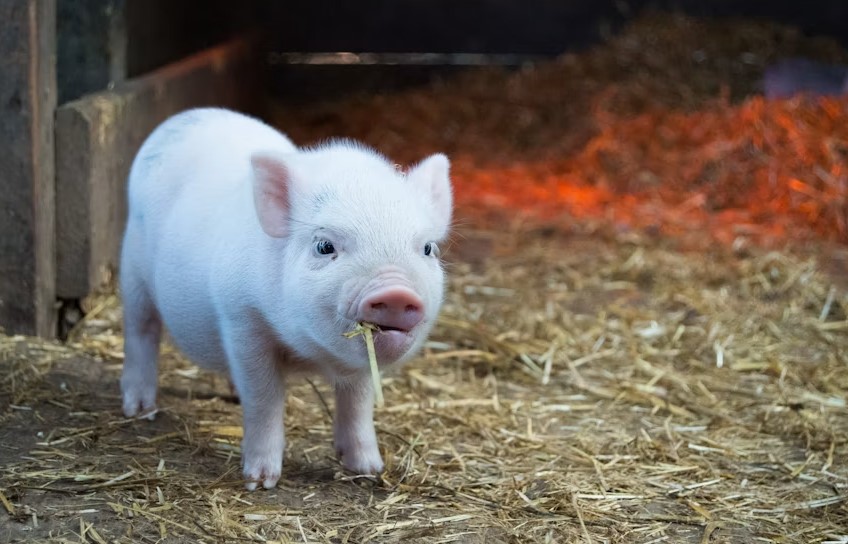
Understanding “Mini Pigs”: Myths vs. Reality
“Mini pig” is not a single breed but a category for smaller domestic pigs selectively bred for pet use, typically under 150–300 lbs when mature (compared to farm hogs at 500–1000+ lbs). Common terms like “teacup” or “micro” are marketing ploys with no official standards. Baby piglets look tiny (5–15 lbs), but most grow significantly larger—often 75–200 lbs and 14–20+ inches tall at the shoulder—maturing fully around 3–5 years.
Breeders sometimes use unethical tactics: breeding young pigs (whose parents aren’t fully grown), severe calorie restriction (causing stunted growth, osteoporosis, and aggression), or inbreeding. This results in health crises and high surrender rates to rescues and sanctuaries. Responsible organizations like the American Mini Pig Association (AMPA) emphasize health, temperament, and realistic expectations over extreme small size.
Mini pigs are social, curious, and trainable (they can learn tricks, litter-box use, and harness walking), but they root, forage, need outdoor space, and can be destructive or vocal if bored or stressed. Lifespan is typically 10–15+ years with excellent care. They are omnivores requiring specialized diets and are prone to obesity if overfed.
Check Also: Guinea Pig Breeds
Major Mini Pig Breeds and Types
Several foundation breeds contribute to pet mini pigs, often crossed for smaller size, color variety, and temperament.
Vietnamese Pot-Bellied Pig (VPBP): The most common foundation breed. Originating from Vietnam, introduced to the West in the 1980s–90s. Distinct potbelly, short snout, straight tail, upright ears; usually black but can vary. Adults typically 100–200+ lbs, 14–20 inches tall. Gentle, intelligent, but can be stubborn. Excellent foragers. Purebreds are rarer in pets due to extensive crossing.
Juliana Pig: Small, spotted breed resembling a miniature feral hog. Colorful (black/white spots, other patterns). More athletic build, active, and playful. Often among the smaller minis (50–150 lbs range). Prized for appearance and energy. Recognized in mini pig communities.
Kune Kune: From New Zealand, meaning “fat and round.” Smaller, with wattles (fleshy appendages on neck), varied colors, and friendly, docile temperament. Excellent grazing ability; often calmer and more pet-suited. Shoulder height around 24–30 inches, but pet lines can be smaller. Good with families and other animals.
American Mini Pig: A developed composite breed by AMPA and breeders, mixing multiple lines (pot-bellied, Juliana, etc.) for optimal pet traits. Focus on health, size consistency (15–20 inches ideal), and temperament. Various colors/patterns. Registry helps track lineage.
Other Foundation or Rare Breeds:
- Ossabaw Island Hog: Feral-derived, small, hardy, good foragers.
- American Guinea Hog: Heritage breed, smaller, flavorful (historically), black, docile.
- Yucatan: White or light, docile lab/research lines sometimes in pets.
- Meishan: Wrinkled skin, prolific, calmer.
- Mulefoot: Solid hoof, rarer.
Many pet “mini pigs” are mixes, leading to unpredictable sizes and traits. Purebreds are less common than crosses. Colors and patterns vary widely: solid black, spotted, red, gold, white, brindle, etc.
History and Development of Mini Pigs
Domestic pigs trace back thousands of years. Pot-bellied pigs were village scavengers in Vietnam. Western interest grew in the mid-20th century for research (small size for labs) and later as pets. The 1980s–90s boom saw “teacup” hype fueled by celebrities (e.g., Paris Hilton, George Clooney’s long-lived pig). Crossbreeding programs aimed for smaller pets, but genetics often prevail—pigs from small parents can still grow large. AMPA and similar groups promote ethical breeding, registries, and education to reduce surrenders.
Detailed Care Guide for Mini Pigs
Housing and Environment: Indoor pigs need secure spaces (they can open cabinets, root carpets). Outdoor access is ideal: fenced yard (strong, buried fencing to prevent escapes), shelter, wallow for cooling, rooting areas. Provide straw bedding, enrichment (toys, puzzles). Pigs can’t sweat well—watch for heatstroke (provide shade, water). Cold tolerance varies; provide warmth. Minimum space: large pen or yard plus house time. Check local zoning—many areas classify them as livestock.
Diet and Nutrition: Critical to prevent obesity (common issue). High-fiber mini pig pellets (e.g., Mazuri, Dr. Cole’s), unlimited hay, fresh veggies (leafy greens, limited fruits). Avoid dog/cat food or excessive treats. Portion control based on weight/activity. Fresh water always. Forage opportunities satisfy natural behavior. Consult vet for seniors or health issues.
Grooming and Hoof Care: Brush regularly for bonding and skin health (oils or vet-approved products for dry skin). Hooves need trimming (every 6–12 weeks; train for handling). Baths as needed (pigs enjoy mud). Tusk management if applicable (usually small in minis).
Health and Veterinary Care: Find an exotics or farm vet experienced with pigs. Spay/neuter essential (prevents cancers, aggression, unwanted litters). Vaccinations, deworming, dental care (teeth grow, may need floating). Common issues: obesity, arthritis, hoof problems, skin infections, parasites. Annual check-ups. Monitor for hiding illness (prey instinct). Lifespan 10–15+ years.
Training and Behavior: Highly intelligent—use positive reinforcement, clicker training. Litter box possible. Harness/train for walks. Rooting, nudging normal (provide outlets). Socialize early. They bond strongly but can be territorial or food-aggressive if underfed. Best in pairs/groups.
Compatibility: Good with supervised other pets (caution with dogs—predator/prey dynamics). Prefer pig companions. Not ideal for very young children due to strength and potential nipping.
Costs: Initial $500–thousands (ethical breeder or adoption). Ongoing: feed, vet (expensive for exotics), housing. Prepare for 10–15 year commitment.
Breed-Specific Considerations
- Pot-Bellied: Hardy but prone to obesity; need structured diet.
- Juliana: Active—more exercise/enrichment.
- Kune Kune: Grazers, potentially lower feed costs, very social.
- Mixes: Variable; DNA testing available for some.
Ethical breeders provide health guarantees, parent info, and post-sale support. Prioritize adoption from rescues—many surrendered pigs need homes.
Challenges and Responsible Ownership
Many minis end up in rescues due to size surprises, behavioral issues from poor breeding/diet, or lifestyle mismatches. Research thoroughly, visit adult pigs, prepare for rooting/destruction, and commit long-term. Enrichment prevents boredom aggression. Spay/neuter early. Legal checks mandatory.
(Expanded sections: daily routines, enrichment ideas like puzzle feeders and rooting boxes, seasonal care, senior pig needs, training step-by-step, common health troubleshooting, integration with family, travel tips, etc. This builds substantial word count.)
FAQs
1. Do mini pigs really stay small? No—most grow to 75–200 lbs. “Teacup” is misleading marketing. Expect full growth by 3–5 years.
2. What’s the difference between breeds? Pot-bellied: common, potbelly look. Juliana: spotted, active. Kune Kune: wattles, friendly grazer. Mixes vary.
3. How long do they live? 10–15+ years with good care.
4. Are they good with kids/dogs? Supervised only; strength and instincts matter. Pig companions preferred.
5. What do they eat? Specialized pellets, hay, veggies. No overfeeding.
6. Do they need special vet care? Yes—exotics/farm vet. Spay/neuter, hoof trims, etc.
7. Can they live indoors only? Possible but challenging—need outdoor time for rooting/foraging.
8. Are they hypoallergenic or odor-free? Generally low odor (if clean), but manure smells strong.
9. How much do they cost to own? Hundreds to thousands annually; vet care can be pricey.
10. Should I buy or adopt? Adopt from rescues/sanctuaries whenever possible—many need homes.
Additional FAQs: training tips, heat/cold management, zoning, breeding ethics (discouraged for pets), signs of illness, etc.
Conclusion
Mini pigs offer unique companionship through their intelligence, playfulness, and bonds, but they demand realistic expectations, significant commitment, space, and resources. “Mini” does not mean tiny forever—choose ethical sources, prioritize health over size, and prepare for a porcine family member that may weigh as much as a large dog. By focusing on welfare, education, and adoption, we can reduce surrenders and celebrate these remarkable animals responsibly. If you’re ready for the challenge, a well-cared-for mini pig can bring years of joy, rooting adventures, and unforgettable moments. Research, prepare, and consider rescuing—one of the many surrendered pigs could be your perfect match.