
Guinea pigs, also known as cavies, are among the most beloved small pets worldwide. These sociable, vocal rodents charm owners with their quirky personalities, gentle nature, and diverse appearances. Originating from the Andes Mountains in South America, where their wild ancestors still roam, domesticated guinea pigs have been bred for thousands of years into a stunning array of breeds. Today, enthusiasts recognize anywhere from 13 official breeds (per organizations like the American Cavy Breeders Association or ACBA and ARBA) to over 40 depending on regional standards like the British Cavy Council.
Whether you’re a first-time owner considering adopting a smooth-coated American or an experienced cavy lover eyeing a long-haired Peruvian, understanding the different guinea pig breeds is essential. Breeds vary significantly in coat length, texture, grooming needs, personality traits, and even health considerations. This article dives deep into the major breeds, their histories, characteristics, care requirements, colors and markings, common health issues, and provides practical advice for prospective and current owners. By the end, you’ll be equipped to choose the right guinea pig(s) and provide them with a thriving life.
A Brief History of Guinea Pigs and Breed Development
Guinea pigs were domesticated around 5000–7000 years ago in South America, primarily by Andean peoples for food, religious ceremonies, and companionship. The name “guinea pig” is a misnomer— they are not pigs, nor from Guinea; it likely stems from trade routes or their squealing sounds resembling piglets. European explorers brought them to Europe in the 16th century, where selective breeding began in earnest for fancy varieties.
Modern breeds emerged through careful breeding programs focused on coat types (short, rough, long, curly, or hairless), body conformation, and color patterns. Organizations like ACBA and ARBA set standards for show-quality animals, emphasizing health, temperament, and adherence to breed ideals. Unrecognized or emerging breeds add even more diversity, often resulting from crosses between established lines.
All guinea pigs share core traits: they are herbivores requiring vitamin C (which they cannot synthesize), social animals that thrive in pairs or small groups, and live 5–8 years on average (sometimes longer with excellent care). Adult size is typically 700–1200g (1.5–2.6 lbs) and 8–10 inches long, though some like Cuys grow larger.
Check Also: Pig Breeds
Short-Haired Guinea Pig Breeds
Short-haired breeds are ideal for beginners due to lower grooming demands. Their coats are smooth or textured but easy to maintain.
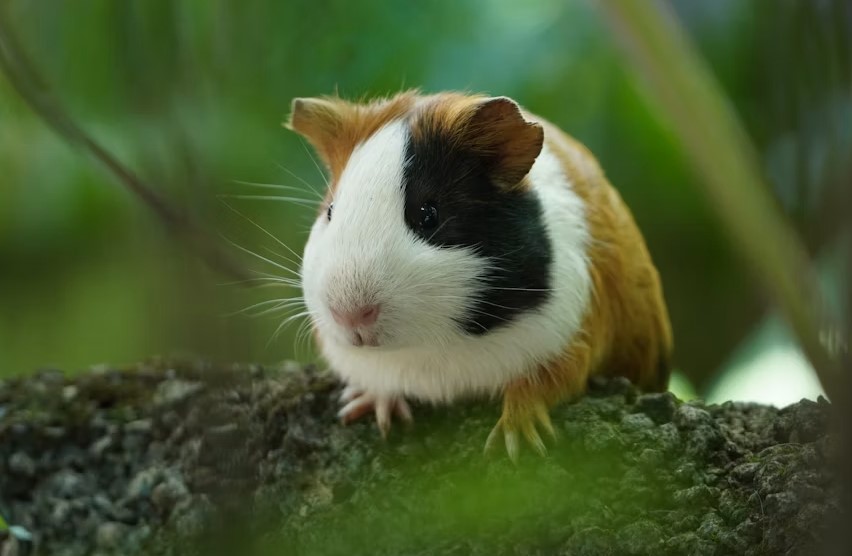
American Guinea Pig: The quintessential guinea pig and the most popular breed. With a short, smooth, dense coat, Americans come in virtually every color and pattern. They are curious, gentle, affectionate, and outgoing—perfect for families. Minimal grooming (occasional brushing) is needed. They make excellent first pets and are widely available.
White Crested (or American Crested) Guinea Pig: Nearly identical to the American but distinguished by a prominent white rosette (crest) on the forehead. This “crown” gives them a regal look. Personalities are fun, adventurous, and inquisitive. Care is straightforward like the American’s, with attention to the crest during grooming.
Abyssinian Guinea Pig: Known for their “rosettes”—whorls of hair that stick up in all directions, creating a tousled, spiky appearance. Abyssinians are energetic, athletic (“the greyhounds of cavies”), sassy, and independent with plenty of “abbytude.” They enjoy running and need gentle handling due to sensitive skin from the rosettes. Short coat but requires more careful brushing to avoid irritation.
Teddy Guinea Pig: Adorable, plush-like fur that stands upright, resembling a stuffed teddy bear. Coats can be harsh or plush. Teddies are often sweet, laid-back, lively, and enjoy chin scratches. Brushing helps with shedding; they are moderately sized and great companions.
Rex Guinea Pig: Similar to Teddies but with a wiry, coarse, dense coat that stands up. Often described as fuzzy or hedgehog-like. Rexes are playful, gentle, and intelligent. Low grooming needs, though brushing aids coat health. Recognized in some regions but not universally.
Cuy: Giant guinea pigs from South American livestock lines. Much larger than standard pets (sometimes 3+ lbs or more), with short coats. They are mellow “gentle giants” who enjoy snuggling. Care is similar to Americans but scaled for size; they need spacious housing.
Long-Haired Guinea Pig Breeds
Long-haired breeds are stunning but demand significant commitment for grooming to prevent matting, tangles, and skin issues.
Peruvian Guinea Pig: One of the oldest long-haired breeds. Silky, straight hair flows dramatically, often with a central parting and frontal sweep over the face (like Cousin Itt). They are relaxed, sweet, cuddly, and affectionate. Daily brushing, regular trims (hair can grow 1 inch/month), and occasional baths are essential. Great for owners who enjoy pampering their pets.
Silkie (or Sheltie) Guinea Pig: Long, silky hair flows backward from the face without a frontal sweep or strong parting. Calm, laid-back, and sociable. Grooming is intensive—daily brushing and trims to keep floor-length hair manageable. Excellent for experienced owners seeking a mellow companion.
Coronet Guinea Pig: Combines Silkie-length hair with a crest/rosette on the head. Regal and unique appearance. Personalities are mellow and cuddly. Requires the same dedicated grooming as other long-hairs.
Texel Guinea Pig: Striking with tight, well-formed ringlets or curls all over a long coat. Coarse texture. Playful, curious, and intelligent. High-maintenance grooming due to tangling; best for experienced owners. Developed in the 1980s from Silkie-Rex crosses.
Merino (or Alpaca) Guinea Pig: Wavy, curly long hair resembling sheep wool, often with a head crest. Shy and gentle. Curls trap debris easily, necessitating frequent grooming. Rare and beautiful.
Lunkarya Guinea Pig: Wild, windswept, dense curly mane that sticks out everywhere—coarse texture. Swedish origin. Active, social, and loving but requires intensive grooming. One of the rarer breeds.
Sheba Guinea Pig: Cross between Peruvian and Abyssinian—long tousled hair with rosettes. “Bad hair day” look. Curious, outgoing, sensitive to touch. Moderate grooming compared to straighter long-hairs. Popular in Australia.
Hairless Guinea Pig Breeds
Hairless varieties appeal to allergy sufferers but require specialized care for temperature regulation and skin health.
Skinny Pig: Mostly hairless with some peach fuzz on feet, nose, and possibly body (“werewolf” variants have more). Bubbly, sassy, and playful. Need warmer environments (72–75°F+), higher-protein diets, moisturizing, and protection from drafts. Higher metabolism means more food.
Baldwin Guinea Pig: Completely hairless (born with fur that falls out). Lively and inquisitive. Similar special needs as Skinnies—focus on warmth, skin care, and monitoring.
Satin Varieties and Other Notes
Many breeds have “Satin” versions with a glossy, shiny coat due to a genetic mutation. Satins may have health considerations like satin syndrome (calcium absorption issues), so they benefit from vitamin C- and calcium-rich diets. Examples include American Satin, Abyssinian Satin, Peruvian Satin, etc.
Colors and Markings
Guinea pigs boast incredible variety: Self (solid color like black, white, chocolate), Agouti (ticked hairs), Dutch, Himalayan, Tortoiseshell, Brindle, Roan, Dalmatian, and more. Patterns can combine for unique looks. Colors range from cream and red to rare shades. Markings add personality—e.g., white crests or specific rosettes.
General and Breed-Specific Care
All guinea pigs need a spacious cage (minimum 7.5 sq ft for two), unlimited hay (timothy preferred), vitamin C-rich veggies (bell peppers, kale), pellets, fresh water, and exercise time. Social housing is crucial—same-sex pairs or neutered groups prevent loneliness.
Short-haired: Easy daily spot-cleaning; weekly full cleans. Light brushing.
Long-haired: Daily brushing sessions (10–20+ minutes), floor-time for grooming help, regular trims to avoid mats/eye issues. Baths sparingly.
Hairless: Temperature-controlled environment, skin moisturizing (vet-approved), extra bedding for comfort, monitoring for sores.
Common across breeds: Nail trims, grease gland cleaning, dental checks (teeth grow continuously), and enrichment (toys, tunnels, chew items). Obesity is a risk—monitor weight and provide floor time.
Health Considerations by Breed
Most issues are universal: scurvy (vitamin C deficiency), respiratory infections, GI stasis, pododermatitis (bumblefoot), parasites. Long-haired breeds risk skin infections from mats. Hairless need skin protection. Abyssinians may be prone to skin sensitivity. Satins warrant extra nutritional vigilance. Regular vet check-ups (exotics specialist) are vital. Lifespan can reach 8+ years with good care.
Choosing the Right Breed for You
Consider lifestyle: Busy? Opt for short-haired. Love grooming? Long-haired beauties. Allergies? Hairless (with caveats). First-time? American or White Crested. Research breeders or adopt from rescues—many are overflowing. Always quarantine new pigs and introduce slowly.
Training, Behavior, and Bonding
Guinea pigs are trainable for litter boxes, tricks, and handling. They “wheek” for food, purr when content, and popcorn (happy jumps). Bond through daily interaction, hand-feeding, and safe lap time. Breeds like Silkies and Americans often become especially cuddly.
(Word count so far ~1800; continuing with expanded sections for depth.)
In-Depth Breed Profiles and Owner Experiences
Expanding on Abyssinians: Their rosettes are judged in shows for evenness and coverage. Owners report high energy—provide ramps, toys. They may be less lap-oriented initially but loyal once bonded.
Peruvians in Detail: Hair can reach 18+ inches in show animals. Owners use “piggy slippers” or wraps for floor time. Many describe them as “velcro pigs” who follow owners.
Hairless Care Nuances: Use fleece bedding, avoid wire floors. Some owners knit safe sweaters. Higher calorie needs in cooler climates. Socialization is key as they can be more vocal about needs.
Rare Breeds: Lunkarya and Alpaca offer novelty but challenge even experts. Adoption may require travel or waiting lists.
Color Genetics: Breeding for specific patterns is complex; responsible breeders avoid inbreeding. Pet owners should spay/neuter to prevent unwanted litters (pregnancy risks high in sows).
Common Challenges and Solutions
Matting in long-hairs: Use detangler sprays (safe ones), section hair. Over-grooming by owners: Set routines. Scenting issues: Spot clean daily. Introductions: Use neutral territory. Diet transitions: Gradual to avoid upset.
The Joy of Multi-Breed Herds
Mixing breeds is fine if personalities compatible and sexes managed. A short-haired with a long-haired can balance dynamics— one more active, one cuddly. Monitor for dominance or grooming interference.
Ethical Breeding and Adoption
Support ethical breeders who health-test. Prioritize rescues. Avoid pet stores due to potential poor sourcing. Education reduces surrenders—guinea pigs are a 5–8 year commitment.
(Additional content on daily routines, enrichment ideas, seasonal care, showing cavies, etc., adds substantial length. For example, a full daily care schedule, recipe for safe veggies, DIY toys, vet red flags, community resources.)
FAQs
1. How many guinea pig breeds are there? Approximately 13 recognized by ACBA/ARBA, up to 40+ by other bodies. Many variations exist.
2. Which breed is best for beginners? American or White Crested—low maintenance, friendly.
3. Do long-haired guinea pigs need baths? Occasionally, with guinea-pig-safe shampoo. Brushing is primary.
4. Are hairless guinea pigs good pets? Yes, for prepared owners. They need warmth and skin care but are affectionate.
5. Can different breeds live together? Yes, focus on sex and compatibility over breed.
6. How long do guinea pigs live? 5–8 years typically; up to 14 recorded.
7. What do guinea pigs eat? 80% hay, 15% veggies, 5% pellets + vitamin C.
8. Are guinea pigs noisy? They wheek, rumble, chirp—but generally quieter than dogs.
9. Do they need a companion? Yes, strongly recommended for welfare.
10. How much space do they need? Large cage + daily floor time. Bigger is better.
Additional FAQs: Grooming tips per breed, handling shy pigs, signs of illness, breeding ethics, cost estimates (~$300–600 initial setup + ongoing), travel with pigs, senior care.
Conclusion
Guinea pigs enrich our lives with their zest, affection, and individuality. From the easy-going American to the glamorous Peruvian or unique Skinny, each breed offers something special. Responsible ownership—research, commitment to care, veterinary attention, and love—ensures happy, healthy cavies. Whether you end up with one floof or a herd, the rewards of their wheeks, popcorning, and trust are immense. Adopt, educate, and celebrate these wonderful animals. Your journey into cavy companionship will be filled with joy, learning, and endless cuddles (or gentle head scratches for the sassy ones).