
In 2012, a small cat from Arizona with a permanently scowling face became one of the internet’s biggest celebrities. Known to the world as Grumpy Cat and officially named Tardar Sauce, she starred in countless memes, appeared on television, inspired merchandise, and built a brand that made her one of the most recognizable animals of the digital age. Her downturned mouth, large eyes, and compact body created an expression of permanent disapproval that resonated with millions.
Yet despite the endless search queries for “Grumpy Cat breed,” there is no such official breed. Tardar Sauce was a mixed-breed domestic shorthair whose unique appearance resulted from a combination of feline dwarfism and an underbite. Understanding her story, the genetics behind her look, and the purebred cats that share similar facial features helps separate myth from reality while celebrating one of the internet’s most beloved felines.
This comprehensive guide explores Grumpy Cat’s background, the conditions that created her famous expression, breeds that often appear “grumpy,” their temperaments and care needs, health considerations, and practical advice for anyone drawn to cats with serious or scowling faces.
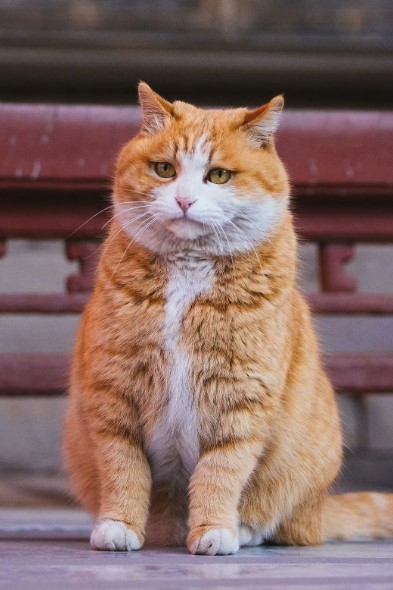
Who Was Grumpy Cat?
Tardar Sauce was born on April 4, 2012, in Morristown, Arizona, to owner Tabatha Bundesen. She was one of a litter of four kittens. Her mother was a calico domestic shorthair named Callie, and her father was described as a blue-and-white tabby (though exact parentage was never genetically confirmed). Both parents were normal-sized domestic cats.
From birth, Tardar Sauce stood out. She was smaller than typical kittens, had a flat face, large “bubble” eyes, a short tail, and hind legs that caused a slight wobble when she walked. Most notably, she had a pronounced underbite that pulled the corners of her mouth downward, creating a permanent frown. Her brother Pokey shared some similar features but did not achieve the same level of fame.
A photo of her posted on Reddit on September 22, 2012, by Tabatha’s brother Bryan quickly went viral. The image of the small cat with the sour expression was perfect meme material. Captions projecting human frustration, sarcasm, and deadpan humor onto her face spread across the internet. Within months she had millions of followers, media appearances on major talk shows, book deals, and a wide range of merchandise. At the height of her fame she was estimated to have generated millions in revenue through licensing.
Despite the “grumpy” brand, her owners consistently stated that she was a normal, affectionate cat about 99 percent of the time. She enjoyed being held, petted, and spending time with her family. The scowl was anatomical, not emotional.
Tardar Sauce passed away on May 14, 2019, at the age of seven from complications related to a urinary tract infection. Her relatively short lifespan was consistent with the health challenges that can accompany feline dwarfism.
Check Also: Rare Exotic Cat Breeds
The Genetics Behind the Grumpy Face
Two main factors created Grumpy Cat’s signature look:
Feline Dwarfism Dwarfism (often related to forms of osteochondrodysplasia or achondroplasia) is a genetic condition that affects bone and cartilage development. It typically results in shorter limbs, a larger-appearing head relative to the body, and altered facial structure. In Tardar Sauce’s case it contributed to her small size, shortened legs, and changes in skull and jaw development. Unlike the Munchkin breed, where short legs are selectively bred, her dwarfism occurred spontaneously in a mixed-breed litter.
Underbite (Malocclusion) An underbite occurs when the lower jaw protrudes beyond the upper jaw. Combined with the facial changes from dwarfism, this created the downturned mouth that made her look perpetually displeased even when relaxed.
These traits were not the result of intentional breeding for a “grumpy” appearance. Her owners did not breed her, and no line of “Grumpy Cats” was established. Claims that she was part Persian, Ragdoll, Snowshoe, or other specific breeds remain speculative; without DNA testing, her exact ancestry is unknown beyond mixed domestic shorthair.
Cat Breeds That Often Look “Grumpy”
While no breed replicates Tardar Sauce exactly, several purebred cats frequently display serious, frowning, or scowling expressions due to facial structure. These looks are usually the result of selective breeding for round heads, short muzzles, large eyes, or folded ears rather than actual grumpiness.
Persian Persians are the classic “grumpy-faced” breed. Extreme brachycephalic (flat-faced) types have very short noses, large round eyes, and mouths that often appear downturned. Their long, luxurious coats and sweet, quiet personalities contrast with their sometimes stern expressions. They are typically calm, affectionate lap cats that prefer peaceful environments. Daily grooming is essential, and they are prone to breathing difficulties, eye issues, and tear staining.
Exotic Shorthair Often called the “Persian in pajamas,” the Exotic Shorthair has the same round head, short muzzle, and large eyes as the Persian but with a short, plush coat that is far easier to maintain. Their facial structure frequently produces a similar serious or mildly annoyed expression. Temperament is gentle, quiet, and affectionate. They share many of the same health considerations as Persians, including brachycephalic airway issues and eye problems.
British Shorthair With their massive round heads, chubby cheeks, and dense coats, British Shorthairs often wear an expression of dignified disapproval or mild judgment. The classic blue (gray) variety is especially well known for this look. Despite the serious face, they are typically calm, independent yet affectionate, and good family cats. They are relatively low-energy and adaptable.
Scottish Fold The Scottish Fold’s folded ears combined with a round face and large eyes create an owl-like or concerned expression that many interpret as grumpy or perpetually worried. Their sweet, gentle personalities usually contrast with the look. Important note: the gene that causes folded ears is linked to cartilage and bone abnormalities (osteochondrodysplasia), which can cause lifelong pain and mobility issues. Ethical concerns surround breeding folded-eared cats.
Himalayan A colorpoint variety of the Persian, Himalayans combine the flat face and long coat with Siamese-style pointed markings and blue eyes. Their facial structure often produces a similar scowling or serious look. Personality tends to be calm and affectionate, similar to Persians.
Other Breeds with Serious Expressions
- Some Exotic and Persian mixes
- Certain British Longhairs
- Occasional individuals in other brachycephalic or round-faced breeds
- Mixed-breed cats that inherit short muzzles or underbites by chance
It is important to remember that facial structure does not determine personality. Many of these breeds are among the most affectionate and easygoing cats available.
Personality vs. Appearance
One of the biggest lessons from Grumpy Cat’s fame is that appearance and temperament are not the same. Tardar Sauce looked perpetually annoyed but was, by her family’s accounts, a normal and loving cat. The same is true for most “grumpy-looking” breeds. Persians, Exotics, British Shorthairs, and Scottish Folds are generally known for calm, gentle, people-oriented personalities rather than actual grumpiness.
Cats communicate with body language, vocalizations, and behavior far more than with resting facial expressions. A downturned mouth caused by bone structure says nothing about whether a cat is happy, stressed, or content.
Health Considerations
Cats with extreme facial structures or dwarfism often face elevated health risks:
Brachycephalic Issues (common in Persians, Exotics, Himalayans) Narrowed nostrils, elongated soft palates, and shallow eye sockets can lead to breathing difficulties, heat intolerance, chronic eye irritation, tear overflow, and dental crowding.
Dwarfism-Related Concerns Shortened limbs and altered bone development can contribute to arthritis, mobility limitations, spinal issues, and secondary problems from abnormal weight distribution. Lifespan may be reduced compared with average domestic cats.
Scottish Fold Specific Risks The fold gene affects cartilage throughout the body, not just the ears, and can cause painful progressive joint disease.
Responsible ownership of any cat with these traits involves choosing breeders who prioritize health and moderate features over extreme appearance, providing appropriate veterinary care, managing weight, and monitoring for breathing or mobility problems.
Caring for Cats with “Grumpy” Looks
Care is driven more by the individual breed or mix than by the facial expression:
- Flat-faced cats often need daily eye cleaning to manage tear staining.
- Long-haired varieties (Persian, Himalayan) require regular grooming to prevent mats.
- Short-haired versions (Exotic, British Shorthair) are lower maintenance.
- All benefit from weight control, dental care, and protection from extreme heat if they have breathing challenges.
- Enrichment, vertical space, and positive interaction support mental health regardless of facial structure.
The Legacy of Grumpy Cat
Tardar Sauce demonstrated the power of the internet to turn an ordinary mixed-breed cat into a global icon. Her fame highlighted both the public’s love of unique animals and the tendency to project human emotions onto pets. She also sparked conversations about the ethics of breeding for extreme physical traits and the health consequences that can accompany them.
Her story remains a reminder that every cat—whether a famous meme star or a quiet household companion—has individual worth beyond appearance.
Frequently Asked Questions
Is there a real Grumpy Cat breed? No. Grumpy Cat (Tardar Sauce) was a mixed-breed domestic shorthair. There is no recognized breed by that name.
What caused Grumpy Cat’s expression? Feline dwarfism combined with an underbite created her permanent frown. It was anatomical, not a reflection of her mood.
Was Grumpy Cat a Munchkin? No. Although she had short legs due to dwarfism, she was not bred as a Munchkin. Her parents were normal-sized domestic cats, and the condition occurred spontaneously.
What purebred cats look most like Grumpy Cat? Persians, Exotic Shorthairs, and some Himalayans share the flat face and downturned mouth. British Shorthairs and Scottish Folds often have serious or concerned expressions.
Are “grumpy-looking” cats actually grumpy? Usually not. Most breeds with serious facial structures are calm, affectionate, and gentle. Facial anatomy does not determine personality.
Did Grumpy Cat have a short lifespan because of her condition? She lived to seven years and died from complications of a urinary tract infection. Dwarfism can be associated with various health challenges that may affect longevity.
Can I find a cat that looks like Grumpy Cat? You may find mixed-breed or purebred cats with similar facial features, particularly among Persians and Exotics. However, intentionally breeding for extreme dwarfism or severe underbites raises serious welfare concerns.
Is it ethical to breed cats for grumpy faces? Breeding for extreme brachycephaly or dwarfism often prioritizes appearance over health and can increase the risk of chronic pain and breathing problems. Many experts and animal welfare organizations advocate for more moderate features.
Conclusion
Grumpy Cat was never a breed—she was a one-of-a-kind mixed-breed cat whose unusual genetics produced an unforgettable face and an enduring internet legacy. Her story entertains while also teaching important lessons about the difference between appearance and personality, the realities of genetic conditions, and the responsibilities that come with admiring extreme physical traits in animals.
Cats that look serious, scowling, or judgmental—whether Persians, Exotic Shorthairs, British Shorthairs, or unique mixed breeds—can make wonderful companions. Their expressions may amuse us, but their true value lies in the quiet affection, individual personalities, and daily presence they offer.
If you are drawn to cats with distinctive faces, focus on health, temperament, and responsible sources rather than chasing an exact replica of a famous meme. Every cat deserves to be appreciated for who they are, not just how closely they match an internet icon. In the end, the most rewarding “grumpy” cat is simply a healthy, well-cared-for feline who happens to look like they have strong opinions about everything—and still chooses to share their life with you.