
In a world dominated by everyday tabbies, Siamese, and Maine Coons, a select group of rare and exotic cat breeds captivates enthusiasts with their striking appearances, ancient lineages, wild ancestry, or unusual genetic mutations. These cats are not just pets—they are living pieces of history, genetic curiosities, or carefully crafted hybrids that blur the line between domestic companion and wild elegance.
What makes a cat “rare” or “exotic”? Rarity often stems from limited geographic origins, small breeding populations, recent recognition by major registries, or deliberate hybrid development. Exotic appeal may come from wild-looking coats, unusual physical traits (curly fur, sparse coats, large ears, or bobbed tails), or genuine wildcat ancestry. While purebred cats represent only a tiny fraction of the global pet cat population, these breeds stand out even among pedigreed felines due to low registration numbers and specialized care needs.
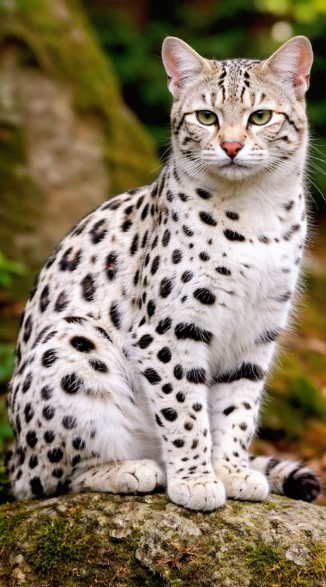
This comprehensive guide explores some of the rarest and most exotic cat breeds available as companions. We examine their origins, distinctive features, personalities, care requirements, and health considerations. Whether you dream of a miniature leopard, a “werewolf” cat, or an ancient royal companion, understanding these breeds helps ensure responsible ownership.
Sokoke: Kenya’s Forest Jewel
Often ranked as the rarest domestic cat breed in the world, the Sokoke (or Sokoke Forest Cat) originated from the feral khadzonzo landrace in the Arabuko-Sokoke Forest along Kenya’s coast. Discovered and standardized in the late 1970s, it remains extremely scarce, with only a handful of breeders worldwide and very low registration numbers in major associations.
Sokokes are medium-sized, long-legged, and athletic, with a distinctive tip-toe gait caused by longer hind legs. Their short, coarse coats typically display a blotched (classic) tabby pattern in brown or black tones, often with a “hollow” or “cold-ticked” appearance due to the agouti gene. They look wild yet fully domestic.
Temperamentally, Sokokes are intelligent, active, and affectionate with their families. They need substantial mental and physical stimulation and may prefer outdoor access or large indoor climbing spaces. As a natural breed with limited genetic diversity, careful breeding is essential. Lifespan is generally 12–15 years when well cared for. Finding a reputable Sokoke kitten can be challenging and expensive due to scarcity.
Check Also: Cat Breed with a Flat Faced
Khao Manee: Thailand’s Diamond-Eyed Treasure
Known as the “White Gem,” the Khao Manee is an ancient Thai breed referenced in historical manuscripts and long associated with royalty and good fortune. Kept exclusive to Thailand until the late 1990s, it remains rare outside its homeland and is still relatively uncommon in Western registries.
These medium-sized cats have pure white short coats and striking eyes that can be blue, gold, amber, green, or odd-eyed (one blue and one of another color). The odd-eyed variety is especially prized. They are muscular, athletic, and often have subtle tail kinks.
Khao Manees are playful, intelligent, talkative, and highly social. They form strong bonds with people and enjoy interactive play. Grooming is minimal thanks to the short coat. They are generally healthy with proper care, though like many pure white cats they may have a higher risk of deafness associated with certain eye colors. Their rarity and beauty make them highly sought after by collectors of unique breeds.
Savannah: The Serval Hybrid Giant
The Savannah is one of the most dramatic exotic breeds, created by crossing a domestic cat with an African serval (Leptailurus serval). First developed in the 1980s and recognized by TICA, early-generation (F1–F2) Savannahs can be exceptionally tall and large, with some individuals setting records for height among domestic cats.
They feature long legs, large ears often marked with ocelli (eye-like spots on the back), a slender build, and bold spotted coats in brown, silver, or black. Later generations (F4–F5 and beyond) are smaller and more manageable while retaining the exotic look.
Savannahs are highly intelligent, energetic, curious, and often dog-like—many enjoy walking on a leash, playing fetch, and interacting with water. They require significant space, enrichment, and experienced owners. Early generations may have more wild traits and higher care demands. Prices vary widely by generation, with F1s commanding the highest fees. Legal restrictions exist in some regions due to their hybrid status. Health is generally robust, but responsible breeding is critical.
Chausie: The Jungle Cat Hybrid
Developed by crossing domestic cats with the jungle cat (Felis chaus), the Chausie (pronounced “chow-see”) is a large, athletic hybrid with a wild appearance. Recognized by TICA, it features long legs, a deep chest, large ears, and a short to medium coat in black, brown ticked tabby, or black grizzled tabby.
Chausies are energetic, intelligent, and social. They need active homes with plenty of vertical space and interactive play. Like other hybrids, early generations can be more challenging. They form strong bonds but require experienced handling. Lifespan is typically 12–15 years. Their rarity and hybrid nature keep numbers limited.
Lykoi: The Werewolf Cat
The Lykoi (Greek for “wolf”) arose from a natural mutation in domestic shorthair cats, producing a unique partially hairless, roan coat that gives a werewolf-like appearance. Patches of hair come and go, and the face often has sparse fur around the eyes, nose, and muzzle.
Despite the striking look, Lykoi are fully domestic, affectionate, social, and playful. They are intelligent and enjoy human interaction. Their sparse coat requires protection from sun and cold, and skin care is important. The mutation is recessive, contributing to the breed’s rarity. They are generally healthy when bred responsibly.
Turkish Van: The Swimming Cat of Lake Van
An ancient breed from the Lake Van region of eastern Turkey, the Turkish Van is known for its distinctive “Van pattern”—color restricted to the head and tail on a white body—and a love of water unusual among cats. They have a cashmere-like semi-long coat and muscular build.
Turkish Vans are energetic, intelligent, and affectionate. They enjoy interactive play and can be quite athletic. Their coat needs regular grooming, especially during seasonal shedding. They remain relatively rare outside specialist circles. Health is generally good with proper care.
Egyptian Mau: The Naturally Spotted Ancient
One of the few naturally spotted domestic breeds, the Egyptian Mau traces its roots to ancient Egypt, where spotted cats appear in art and hieroglyphs. Medium-sized and elegant, they have a metallic sheen to their coats, large gooseberry-green eyes, and a distinctive “worried” expression.
Maus are athletic, intelligent, and devoted. They are often vocal and form strong bonds. They need stimulation and can be sensitive. Their natural spotting and historical mystique keep them relatively rare compared to more common breeds. Lifespan averages 12–15 years.
Ocicat: The Ocelot Lookalike Without Wild Blood
Despite looking like a wild ocelot, the Ocicat is a fully domestic breed created from Siamese, Abyssinian, and American Shorthair crosses. It features large spots on a short coat and a muscular, athletic body.
Ocicats are outgoing, intelligent, and people-oriented. They thrive on interaction and mental challenges. Their exotic appearance without hybrid complications makes them appealing. They remain less common than Bengals or Savannahs.
Toyger: The Miniature Tiger
Developed to resemble a toy tiger, the Toyger was created through selective breeding of domestic tabbies (with some Bengal influence in early lines) to achieve bold vertical stripes, a circular head pattern, and a powerful build. The goal is a domestic cat that looks like a tiny tiger.
Toygers are playful, confident, and affectionate. They need enrichment and enjoy interactive play. Their striking coat requires moderate grooming. The breed is still relatively rare and continues to be refined.
LaPerm and American Wirehair: The Curly and Wiry Mutations
The LaPerm originated from a spontaneous curly-coated mutation on an Oregon farm. Cats can be short- or long-haired with soft, ringlet curls. They are affectionate, active, and people-oriented.
The American Wirehair features a unique coarse, crimped, springy coat resulting from a mutation. Similar in type to the American Shorthair, they are adaptable and good-natured. Both remain uncommon due to limited breeding programs.
Other Notable Rare and Exotic Breeds
Additional breeds worth knowing include the Korat (ancient Thai “good luck” cat with silver-blue coat and green eyes), Chartreux (French blue cat with a smile and woolly coat), Serengeti (Bengal × Oriental Shorthair aiming for a serval look without wild blood), American Bobtail, and experimental or very limited breeds such as the Minskin or certain color mutations. Hybrid breeds like the Ashera have been marketed as ultra-rare and expensive, though many claims are exaggerated or involve rebranded Savannahs.
Caring for Rare and Exotic Cats
Ownership of these breeds often involves higher responsibility. Hybrid cats (Savannah, Chausie) may have elevated energy, stronger prey drives, and specific dietary or environmental needs. Natural rare breeds can have limited genetic diversity, making health screening by breeders essential. Unusual coats (Lykoi, LaPerm, Wirehair) require specialized grooming or environmental protection.
Provide ample vertical space, interactive toys, puzzle feeders, and daily engagement. Many of these cats are highly intelligent and can become bored or destructive without stimulation. Research local laws regarding hybrid ownership. Always choose reputable breeders who prioritize health, temperament, and genetic diversity over extreme appearance, or consider adoption through breed-specific rescues when available.
Ethical and Practical Considerations
Hybrid breeding raises welfare questions for some, as early-generation animals can face fertility or behavioral challenges. Rare breeds with tiny populations risk inbreeding depression. Prospective owners should verify health testing, meet parent cats when possible, and prepare for potentially high costs and limited availability. Supporting conservation of wild relatives and responsible domestic breeding helps preserve these unique lineages.
Frequently Asked Questions
What is the rarest cat breed in the world? The Sokoke is frequently cited as the rarest recognized domestic breed due to its tiny population and limited breeders. Some experimental or regional breeds may be even scarcer.
Are hybrid cats like Savannahs legal everywhere? No. Some cities, states, and countries restrict or ban early-generation hybrids. Always check local regulations before acquiring one.
Do rare exotic cats make good family pets? Many do when their energy and stimulation needs are met. Highly active hybrids and intelligent breeds suit experienced, engaged owners better than sedentary households.
How much do rare exotic cats cost? Prices range widely—from several hundred dollars for less extreme examples to tens of thousands for early-generation Savannahs or extremely rare individuals. Ongoing care costs can also be higher.
Are these cats healthier than common breeds? Not necessarily. Some natural rare breeds have limited gene pools. Hybrids may inherit strengths and weaknesses from both sides. Reputable breeding and veterinary care are key.
Can I find these breeds in shelters? Occasionally, especially later-generation hybrids or less extreme rare breeds. Breed-specific rescues are the best place to look.
Do exotic-looking cats need special diets? Most thrive on high-quality commercial cat food formulated for their life stage. Very active or large hybrids may benefit from higher-protein formulas. Consult a veterinarian.
How long do rare exotic cats live? Most range from 12 to 16 years or more with good care, similar to other domestic cats. Individual health and genetics play major roles.
Conclusion
Rare and exotic cat breeds offer a window into the incredible diversity of the domestic feline. From the ancient forest cats of Kenya and the royal white gems of Thailand to modern hybrids that evoke the African savanna and spontaneous mutations that look like creatures of myth, these cats expand our appreciation of what a companion feline can be.
Owning one is a privilege that comes with responsibility—researching thoroughly, choosing ethical sources, providing enriched environments, and committing to lifelong care. When matched with the right owner, a rare or exotic cat can bring unmatched beauty, intelligence, and companionship into a home.
The world of rare cats continues to evolve as new mutations appear, hybrid programs refine, and ancient landraces gain recognition. Whether you are drawn to wild elegance, historical mystique, or genetic uniqueness, these breeds remind us that cats, in all their forms, remain endlessly fascinating. Take the time to learn, prepare, and perhaps one day share your life with one of these extraordinary felines.