
From the long-bodied, short-legged Dachshund to the spotted Dalmatian, the sleek and loyal Doberman Pinscher, the powerful Dogo Argentino, and the massive Dogue de Bordeaux, dog breeds that start with the letter D deliver striking variety in size, energy, temperament, and original purpose. These breeds include compact companions, high-drive working dogs, elegant sighthounds, and formidable guardians. Whether you live in an apartment, maintain an active outdoor lifestyle, or seek a devoted family protector, there is likely a “D” breed that can match your needs—provided you understand its history, personality, and care requirements.
This comprehensive guide explores the most popular and notable dog breeds beginning with D. It covers origins, appearance, temperament, exercise and grooming needs, common health concerns, and suitability for different households. The goal is to help prospective owners make informed, responsible choices.
Why “D” Breeds Capture Attention
The letter D features some of the most recognizable dogs in popular culture and working roles. Dachshunds appear frequently in media and as beloved family pets. Dalmatians became icons through film. Dobermans earned reputations as intelligent protectors and police/military partners. Larger mastiff-type and hunting breeds such as the Dogo Argentino and Dogue de Bordeaux appeal to experienced owners seeking strength and loyalty. Smaller or rarer entries like the Dandie Dinmont Terrier add unique charm and history.
These breeds reflect centuries of selective breeding for specific jobs—hunting badgers and rabbits, coaching, guarding, and companionship. Original purpose remains one of the strongest predictors of modern energy level, trainability, and lifestyle fit.
Check Also: Dog Breeds That Start With C
Dachshund
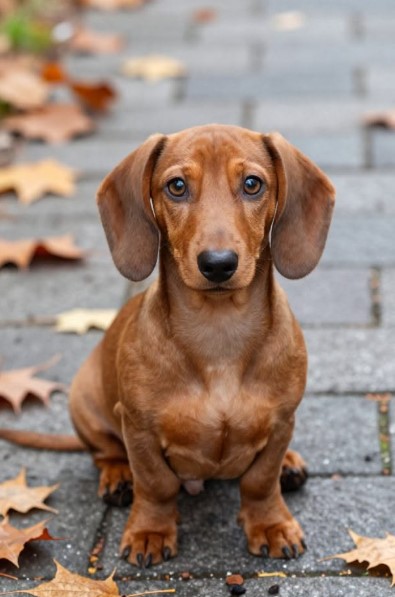
The Dachshund (often called the “wiener dog” or “sausage dog”) is a small-to-medium hound developed in Germany to hunt badgers and other burrowing animals. Standard Dachshunds typically weigh 16 to 32 pounds; miniatures weigh 11 pounds and under. Height at the shoulder is usually 5 to 9 inches for minis and up to about 9–12 inches for standards. They come in three coat types—smooth, longhaired, and wirehaired—and a wide range of colors and patterns, including solid, dapple, and brindle.
Dachshunds are bold, curious, independent, and often surprisingly vocal. They form strong bonds with their families and can be good with children when socialized, though their hunting drive and tendency to dig or bark require management. They are intelligent but can be stubborn, so positive, consistent training works best.
Exercise needs are moderate; daily walks and play sessions help prevent obesity, which stresses their long backs. Grooming varies by coat: smooth coats need minimal care, while longhaired and wirehaired versions require regular brushing. Lifespan often ranges from 12 to 16 years. The most significant health concern is intervertebral disc disease (IVDD) due to the elongated spine; weight control, avoiding excessive jumping, and using ramps are important preventive measures. Other issues can include progressive retinal atrophy and obesity-related problems. Dachshunds suit many households, including apartments, when their exercise and back-care needs are met.
Dalmatian
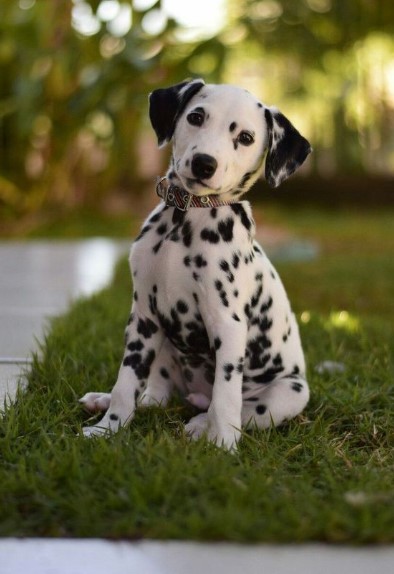
The Dalmatian is instantly recognizable by its white coat covered in black or liver spots. Medium-to-large in size, adults typically stand 19 to 24 inches and weigh 45 to 70 pounds. The breed’s origins are linked to the historical region of Dalmatia and to roles as coach dogs that ran alongside carriages.
Dalmatians are energetic, intelligent, and outgoing. They form strong attachments to their people and generally do well with active families. They need substantial daily exercise and mental stimulation; without it they can become restless or destructive. Early socialization helps manage any tendency toward reserve with strangers. Their short coat is low-maintenance but sheds year-round, often heavily.
Lifespan averages 11 to 13 years. A notable breed-specific issue is a tendency toward urinary stones (urate urolithiasis) linked to a genetic metabolic trait; many Dalmatians benefit from dietary management and ample fresh water. Deafness occurs at higher rates than in many breeds, so responsible breeders test hearing (BAER testing). Hip dysplasia and certain skin conditions can also appear. Dalmatians thrive with active owners who can provide consistent exercise, training, and attention to urinary health.
Doberman Pinscher
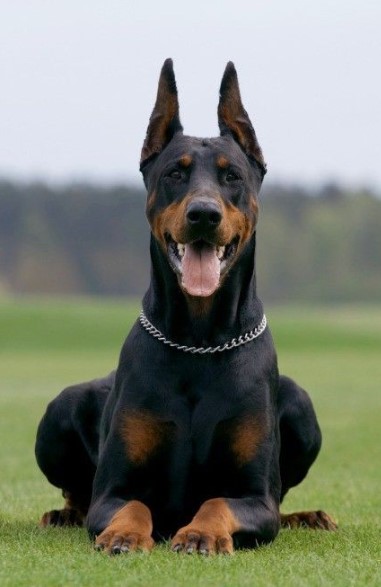
The Doberman Pinscher (often simply Doberman) is a medium-to-large working breed developed in Germany by Karl Friedrich Louis Dobermann in the late 19th century as a personal protection and guard dog. Males typically stand 26 to 28 inches and weigh 75 to 100 pounds; females are slightly smaller. The short, sleek coat is most often black and tan or red and tan, with other colors appearing less frequently.
Dobermans are intelligent, loyal, energetic, and highly trainable. They bond closely with their families and can be excellent companions and protectors when properly raised. They need firm, consistent, positive training and early socialization. Exercise requirements are high—daily vigorous activity plus mental work (obedience, protection sports, or other structured outlets) keep them balanced.
Grooming is minimal thanks to the short coat. Lifespan is often 10 to 13 years. Health concerns include dilated cardiomyopathy (a serious heart condition), von Willebrand’s disease (a clotting disorder), hip dysplasia, and hypothyroidism. Reputable breeders screen for these issues. Dobermans are best suited to experienced owners who can provide leadership, training, and sufficient exercise. They are not ideal for sedentary or first-time households.
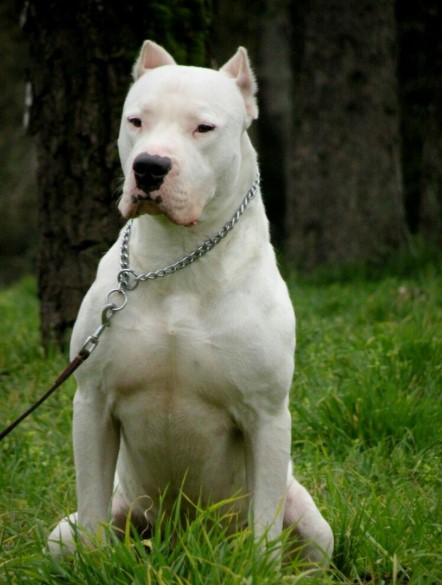
Dogo Argentino
The Dogo Argentino is a large, muscular, white hunting and guardian breed developed in Argentina primarily for big-game hunting (including wild boar and puma). Adults typically stand 24 to 27 inches and weigh 80 to 100 pounds or more. The short, smooth white coat may have small dark markings on the head.
Dogos are powerful, courageous, loyal, and athletic. They form strong bonds with their families and can be protective. Early and ongoing socialization and experienced handling are essential because of their strength, prey drive, and guardian instincts. They need significant daily exercise and thrive with jobs or sports that channel their energy.
Grooming is straightforward. Lifespan averages 9 to 15 years. Health considerations include deafness (more common in predominantly white dogs), hip dysplasia, and skin issues. In some regions, ownership is restricted or requires special permits due to the breed’s power and history. This breed is appropriate only for knowledgeable, experienced owners with secure property and a commitment to training and socialization.
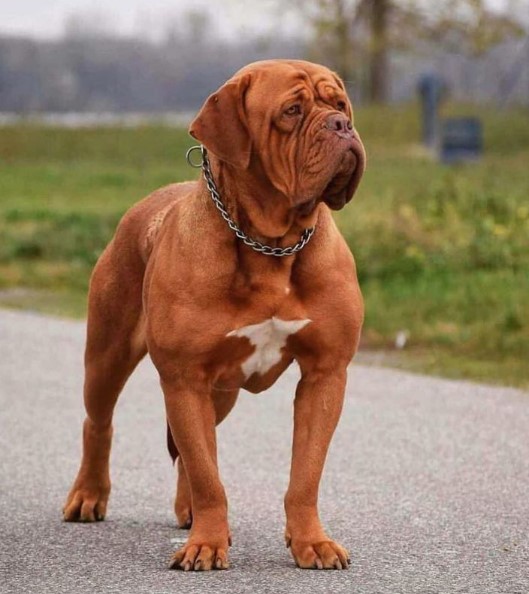
Dogue de Bordeaux (French Mastiff)
The Dogue de Bordeaux is a massive, powerful mastiff-type breed from France, historically used for guarding, hunting, and as a companion. Males often weigh 110 to 150 pounds or more and stand 23.5 to 27 inches; females are somewhat smaller. They have a distinctive large head, wrinkled face, and short coat in shades of fawn or mahogany with a dark mask.
These dogs are loyal, affectionate with their families, and naturally protective. They can be calm indoors once mature but still require moderate daily exercise and careful socialization. Their size alone demands experienced ownership and secure fencing. Training should be consistent and positive; they respond poorly to harsh methods.
Grooming needs are low, though facial wrinkles require regular cleaning to prevent infection. Lifespan is relatively short for the size, often 5 to 8 years or sometimes longer with excellent care. Health issues are significant and include heart conditions, hip and elbow dysplasia, bloat (gastric dilatation-volvulus), and skin fold problems. Responsible breeders prioritize health testing. The Dogue de Bordeaux suits owners experienced with large guardian breeds who can manage the physical and veterinary demands.
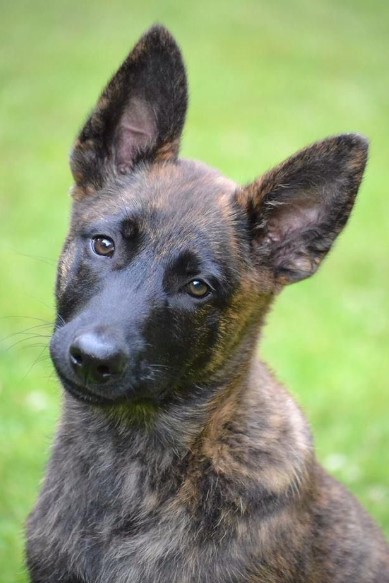
Dutch Shepherd
The Dutch Shepherd is a versatile herding and working breed from the Netherlands, similar in type to the Belgian Malinois and German Shepherd but less common. Adults typically stand 21.5 to 24.5 inches and weigh 42 to 75 pounds. Coat varieties include short, long, and rough (wire), most often in brindle patterns.
Dutch Shepherds are intelligent, energetic, loyal, and highly trainable. They excel in herding, police work, sports, and as active family companions when given sufficient outlets. They need substantial daily physical and mental exercise. Without it they can become bored or develop unwanted behaviors.
Grooming depends on coat type but is generally manageable. Lifespan often ranges from 11 to 14 years. Health concerns can include hip dysplasia and certain eye or thyroid issues; responsible breeding programs emphasize screening. This breed thrives with experienced, active owners who can provide structured work or sport.
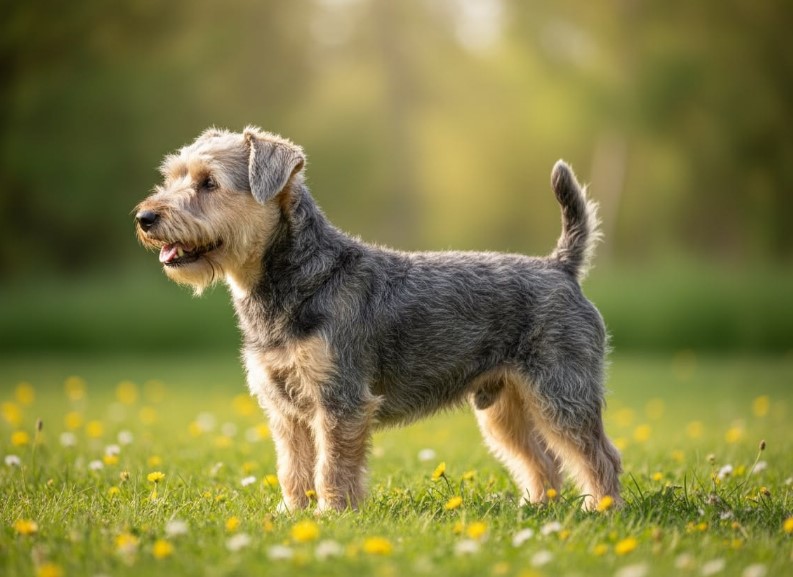
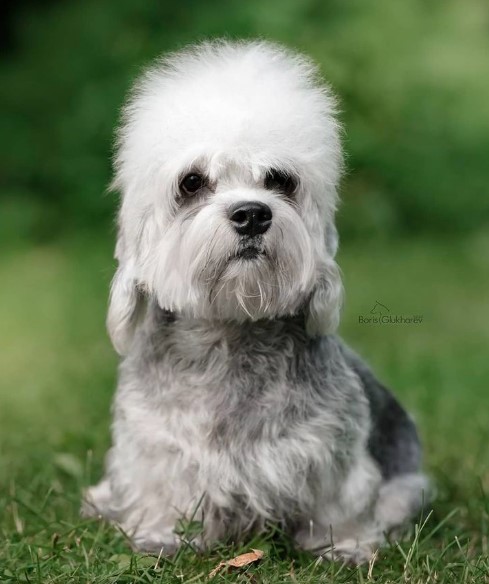
Dandie Dinmont Terrier
The Dandie Dinmont Terrier is a small, distinctive terrier from the Scottish Borders, named after a character in a Sir Walter Scott novel. Adults typically weigh 18 to 24 pounds and stand 8 to 11 inches tall, with a long body, short legs, and a unique “topknot” of hair. The coat is crisp and hard, usually mustard or pepper in color.
Dandies are independent, affectionate with their families, and relatively calm for a terrier. They retain terrier spirit and may chase small animals. They need moderate exercise and consistent, patient training. Grooming requires regular brushing and periodic professional care to maintain the coat and topknot.
Lifespan often reaches 12 to 15 years. Health issues can include back problems (similar to other long-backed breeds), hypothyroidism, and certain eye conditions. They can adapt to apartment living with adequate walks and make good companions for owners who appreciate a less common terrier with a big personality.
Other Notable D Breeds
Additional breeds and varieties include the Scottish Deerhound (a tall, rough-coated sighthound known for speed and gentle nature), the Drever (a Swedish scent hound), various regional or less common mastiff and hunting types recognized by international registries, and working lines of the breeds already described. Designer mixes and rare landrace types occasionally appear but fall outside closed purebred standards.
General Care Considerations for D Breeds
Because D breeds range from tiny long-backed companions to massive guardians, care needs differ widely:
- Exercise: High for Dobermans, Dalmatians, Dogos, and Dutch Shepherds; moderate for Dachshunds and Dandies; lower-to-moderate for mature Dogues once conditioned.
- Training and socialization: Critical for powerful or independent breeds (Doberman, Dogo, Dogue). Positive methods work across the group.
- Grooming: Minimal for short-coated breeds; higher for longhaired or wirehaired Dachshunds and Dandie Dinmonts.
- Health screening: Prioritize breeders who test for breed-specific conditions—backs and eyes in Dachshunds, hearing and urinary health in Dalmatians, cardiac and genetic issues in Dobermans, hips and hearts in large mastiff types.
- Lifestyle match: Short-legged or long-backed breeds need protection from high-impact activity. Large guardians require experience, space, and secure containment. High-drive working breeds need jobs or sports.
Choosing the Right Dog Breed Starting With D
Evaluate your living situation, activity level, experience with dogs, willingness to groom and train, and household composition (children, other pets). Meet adult dogs of the breed whenever possible. Work with reputable breeders who perform health testing and prioritize temperament, or explore breed-specific rescues. Avoid selecting solely on appearance, popularity, or media portrayals.
Frequently Asked Questions
What is the most popular dog breed that starts with D? The Dachshund consistently ranks among the most popular in many countries due to its distinctive appearance and adaptable size. Dobermans and Dalmatians also maintain strong followings.
Which D breeds are best for families with children? Well-socialized Dachshunds, Dalmatians, and some Dobermans can do well with families when supervised and trained. Large or high-drive guardian breeds require more experienced management and careful matching.
Which D breeds are good for apartments? Dachshunds and Dandie Dinmont Terriers can adapt to apartment living if their exercise and mental needs are met. Larger or high-energy breeds generally need more space and activity.
What is the largest dog breed starting with D? The Dogue de Bordeaux is among the heaviest, with many individuals exceeding 100–150 pounds. Some Dogo Argentinos and large Deerhounds also reach substantial size.
Which D breeds need the most exercise? Doberman Pinschers, Dalmatians, Dogo Argentinos, and Dutch Shepherds rank among the highest. They require vigorous daily activity and mental stimulation.
Are any D breeds relatively low-shedding? No dog is fully non-shedding, but short-coated breeds such as the Doberman and some Dachshunds produce less visible hair than heavily double-coated types. Regular grooming still helps.
What health issues are common in popular D breeds? Dachshunds: intervertebral disc disease. Dalmatians: urinary stones and deafness. Dobermans: dilated cardiomyopathy and clotting disorders. Large mastiff types: joint problems, bloat, and cardiac issues. Research and choose health-tested lines.
Do D breeds make good first dogs? Dachshunds can work for committed beginners who manage back care and training. Powerful working or guardian breeds (Doberman, Dogo, Dogue) are better suited to experienced owners.
Conclusion
Dog breeds that start with the letter D form a diverse and compelling group, ranging from the bold little Dachshund and the athletic Dalmatian to the devoted Doberman, the powerful Dogo Argentino, the imposing Dogue de Bordeaux, and rarer gems such as the Dandie Dinmont Terrier. Each brings distinctive history, appearance, and temperament along with specific requirements for exercise, training, grooming, and health management.
The foundation of a successful relationship is honest matching. A high-drive working breed will struggle in a low-activity home, while a long-backed companion needs protection from activities that stress the spine. Thorough research, responsible sourcing, early socialization, and lifelong care allow these dogs to thrive.
When the right “D” breed meets the right owner, the partnership offers loyalty, personality, and companionship that can last many years. Whether you are drawn to a compact hunter, a spotted athlete, a sleek protector, or a massive guardian, the D breeds provide memorable options. Take the time to learn, prepare your home and schedule, and choose thoughtfully. The diversity under the letter D is one of the enduring pleasures of the dog world—explore it with care and enjoy the journey of finding your ideal canine companion.