
From the tiny but mighty Chihuahua to the elegant Cavalier King Charles Spaniel, the cheerful Cocker Spaniel, the iconic Collie, the sturdy Corgi, and the powerful Cane Corso, dog breeds that start with the letter C offer remarkable variety. These breeds span every size category, energy level, and original purpose—companionship, herding, retrieving, guarding, and more.
Whether you live in an apartment, have an active outdoor lifestyle, or want a gentle family companion, there is likely a “C” breed that can fit. This in-depth guide explores the most popular and notable dog breeds beginning with C. We cover origins, appearance, temperament, exercise and grooming needs, common health concerns, and suitability for different homes. The goal is to help you make an informed decision if you are considering one of these distinctive dogs.
Why “C” Breeds Are So Diverse and Popular
The letter C includes some of the most beloved dogs in the world. The Chihuahua is famous as the smallest recognized breed. The Cavalier King Charles Spaniel is prized for its sweet, adaptable nature. Cocker Spaniels were once the most popular breed in the United States for years. Corgis gained massive popularity through royal association and social media. Collies became household names through film and television. Larger working and guardian breeds such as the Chesapeake Bay Retriever and Cane Corso appeal to experienced owners seeking strength and loyalty.
These breeds reflect centuries of selective breeding for specific roles. Understanding a breed’s history remains one of the best predictors of its modern energy level, trainability, and care requirements.
Check Also: Dog Breeds That Start With B
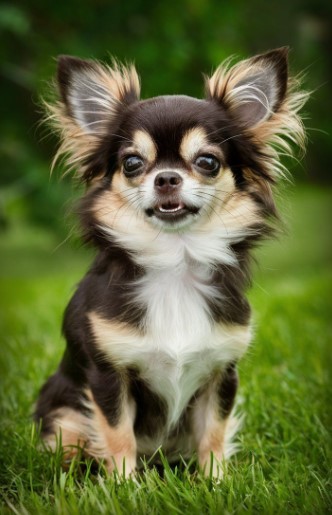
Chihuahua
The Chihuahua is the smallest dog breed recognized by major kennel clubs, typically weighing 2 to 6 pounds and standing 5 to 8 inches tall. Originating in Mexico, with roots possibly tracing to ancient civilizations, these dogs have large, expressive eyes, erect ears, and either a smooth or long coat in many colors and patterns.
Chihuahuas possess outsized personalities. They are alert, loyal, and often form intense bonds with one person. They can be wary of strangers and may bark readily, making them effective little watchdogs. Early socialization is important to prevent excessive timidity or defensiveness. Despite their size, they need regular short walks and play to stay healthy and avoid obesity.
Grooming is relatively easy for smooth-coated dogs; long-coated varieties need more frequent brushing. They are sensitive to cold and may need sweaters in winter. Lifespan is often 14 to 16 years or longer. Health concerns include dental issues, patellar luxation, heart conditions, and hydrocephalus in some lines. Chihuahuas suit apartment living and owners who appreciate a devoted, portable companion, but they are not ideal for rough play with very young children due to their fragility.
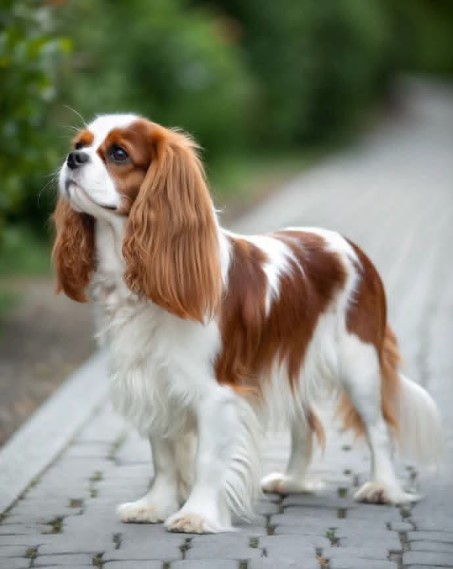
Cavalier King Charles Spaniel
The Cavalier King Charles Spaniel is a small, elegant companion breed weighing 13 to 18 pounds and standing about 12 to 13 inches tall. Developed in Britain and associated with royalty (particularly King Charles II), Cavaliers have long, silky ears, large dark eyes, and a soft expression. Coat colors include Blenheim (chestnut and white), tricolor, ruby, and black-and-tan.
Cavaliers are renowned for their gentle, affectionate, and adaptable temperaments. They generally get along well with children, other dogs, and even cats when properly introduced. They enjoy both cuddling and moderate activity, making them versatile for many lifestyles. They are eager to please and relatively easy to train with positive methods.
Their long coat requires regular brushing to prevent mats, plus attention to the ears. Lifespan typically ranges from 9 to 14 years. Significant health concerns include mitral valve disease (a heart condition) and syringomyelia (a neurological issue related to skull shape). Responsible breeders screen for these conditions. Cavaliers are excellent choices for families, seniors, and first-time owners seeking a loving, relatively low-maintenance companion in terms of exercise.
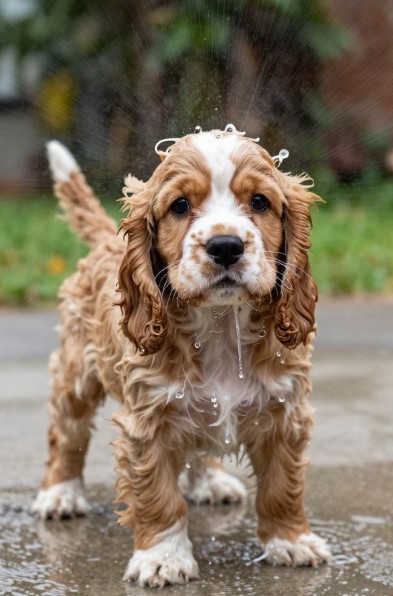
Cocker Spaniel (American and English)
Cocker Spaniels are merry, affectionate sporting dogs. The American Cocker is smaller (typically 20 to 30 pounds, 13.5 to 15.5 inches), while the English Cocker is slightly larger and often retains more of a working style. Both have expressive eyes, long ears, and silky coats in a wide range of colors.
Originally bred to hunt woodcock, modern Cockers are popular family companions. They are generally friendly, playful, and good with children and other pets. They enjoy activity and mental stimulation but adapt well to various homes when exercised daily. Their soft mouths and eager natures make many excellent retrievers in play or formal training.
Grooming is a major commitment—regular brushing, professional trimming, and careful ear cleaning are needed to prevent mats and infections. Lifespan averages 10 to 14 years. Health issues can include ear infections, eye conditions, hip dysplasia, and certain skin or autoimmune problems. Cockers thrive with owners who enjoy grooming or are willing to maintain a professional schedule, and who provide consistent companionship.
Collie (Rough and Smooth)
The Collie is an iconic herding breed made famous by literature and film. Rough Collies have the long, flowing coat; Smooth Collies have a short, dense coat. Both typically stand 22 to 26 inches and weigh 50 to 75 pounds. They have refined heads, expressive eyes, and an elegant outline.
Collies are intelligent, loyal, and typically gentle with families. They form strong bonds and can be sensitive. They need moderate daily exercise and mental engagement; without it they may become bored. Early socialization and training help channel their herding instincts appropriately.
Rough Collies require significant coat care, especially during shedding seasons. Smooth Collies are easier to groom. Lifespan is often 12 to 14 years. Health concerns include collie eye anomaly, multidrug sensitivity (MDR1 gene mutation), and hip dysplasia. Genetic testing is widely available. Collies suit families with yards and owners who appreciate a devoted, somewhat vocal companion.
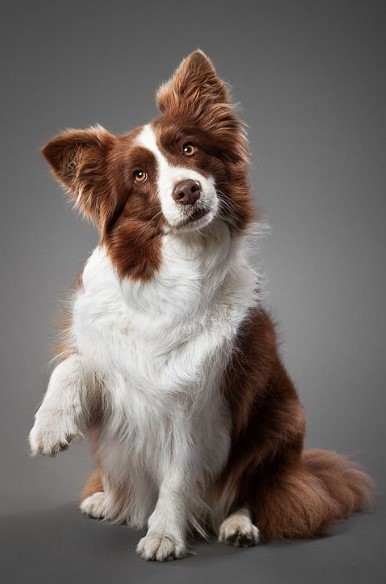
Welsh Corgi (Pembroke and Cardigan)
Pembroke Welsh Corgis (the more common variety, often tailless or short-tailed) and Cardigan Welsh Corgis (with tails and slightly larger frames) are low-slung herding dogs originally from Wales. They typically weigh 25 to 38 pounds and stand 10 to 13 inches tall, with long bodies and short legs.
Corgis are intelligent, energetic, and full of personality. They were bred to herd cattle by nipping at heels, and that instinct can appear in play. They are loyal, often good with families, and trainable, though they can be stubborn. They need regular exercise and mental work to prevent boredom barking or mischief.
Their double coats shed heavily, especially seasonally. Lifespan averages 12 to 15 years. The long back predisposes them to intervertebral disc disease; weight management and avoiding excessive jumping are important. Corgis fit active households that can provide outlets for their energy and intelligence.
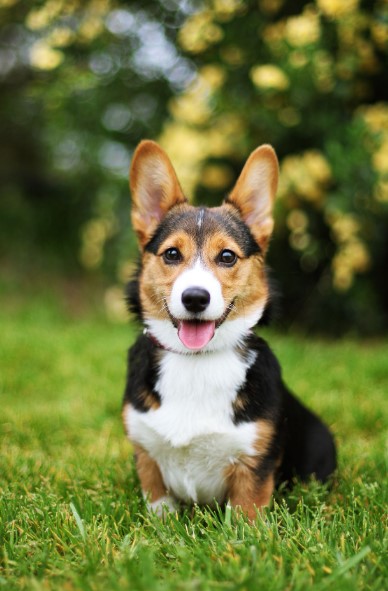
Chow Chow
The Chow Chow is an ancient Chinese breed with a distinctive lion-like appearance, dense coat, and unique blue-black tongue. They typically weigh 45 to 70 pounds and stand 17 to 20 inches tall. Coat can be rough or smooth.
Chows are independent, dignified, and often aloof with strangers while deeply loyal to their families. They are not overly demonstrative and may prefer calm environments. Early socialization is essential. Exercise needs are moderate; they can overheat easily due to their heavy coats.
Grooming is demanding for rough-coated Chows. Lifespan is often 8 to 12 years. Health concerns include hip and elbow dysplasia, eyelid issues (entropion), and thyroid problems. Chows are best for experienced owners who understand independent, sometimes stubborn temperaments and can commit to training and socialization.
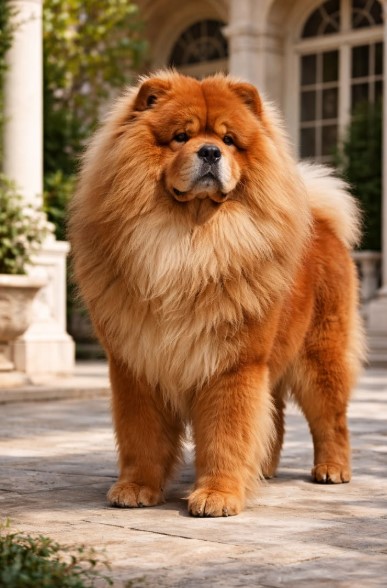
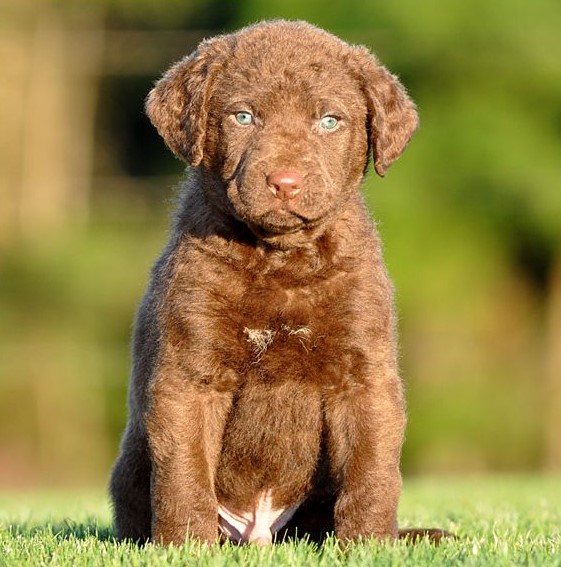
Chesapeake Bay Retriever
The Chessie is a tough, waterproof American retrieving breed developed for waterfowl hunting in the Chesapeake Bay region. They typically weigh 55 to 80 pounds and stand 21 to 26 inches. Their dense, oily double coat comes in shades of brown, sedge, or deadgrass.
Chessies are intelligent, protective, and hardworking. They bond closely with their families and can be reserved with strangers. They need substantial exercise and thrive with jobs or sports such as retrieving or dock diving. Training should be consistent and positive.
Coat care involves regular brushing; the texture is somewhat self-cleaning. Lifespan averages 10 to 13 years. Health issues can include hip dysplasia, progressive retinal atrophy, and exercise-induced collapse in some lines. They suit active, experienced owners with space and time for training.
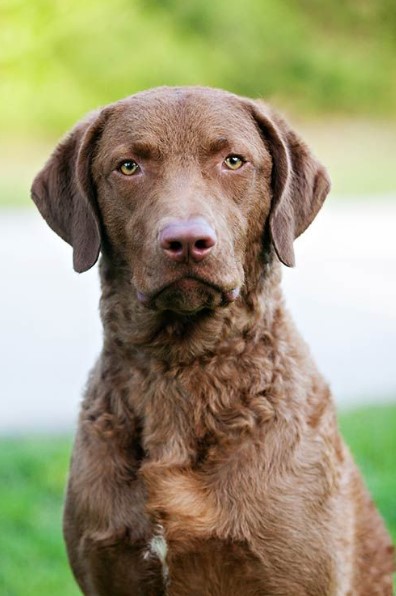
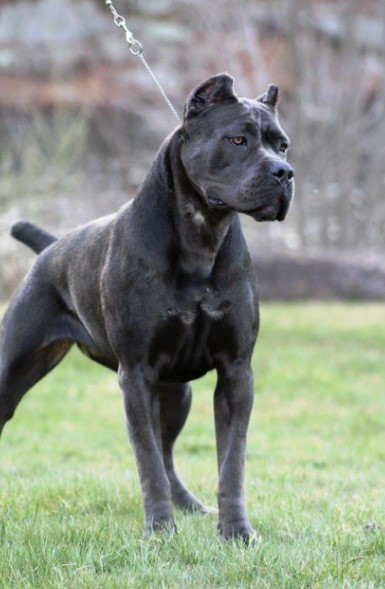
Cane Corso
The Cane Corso is a large Italian mastiff-type guardian breed, typically 88 to 110+ pounds and 23.5 to 27.5 inches tall. Muscular and imposing, with a short coat in black, gray, fawn, or red.
Cane Corsos are loyal, protective, and intelligent. They require experienced handling, early and ongoing socialization, and firm, consistent training. They need moderate to high exercise and clear leadership. Without proper management they can become overly territorial.
Grooming is relatively simple. Lifespan is often 9 to 12 years. Health concerns include hip and elbow dysplasia, bloat, and certain eye conditions. This breed is appropriate only for owners with experience handling large guardian dogs and the ability to provide structure and socialization.
Other Notable C Breeds
Chinese Crested – Hairless or powderpuff varieties; small, affectionate, and unique in appearance. Need skin care if hairless.
Chinese Shar-Pei – Wrinkled, independent, and loyal. Prone to skin and eye issues related to wrinkles.
Cairn Terrier – Small, hardy Scottish terrier full of spirit and curiosity.
Clumber Spaniel – Large, low-slung, mellow sporting spaniel with a thoughtful expression.
Coton de Tulear – Small, cottony-coated companion from Madagascar; cheerful and people-oriented.
Cirneco dell’Etna – Elegant Sicilian sighthound; athletic and independent.
Cesky Terrier – Soft-coated Czech terrier; calmer than many terriers.
Chinook – Rare American sled dog; gentle and versatile.
Additional regional or less common breeds include various shepherd and guardian types recognized by international registries.
General Care Considerations for C Breeds
Because the group is so diverse, needs vary widely:
- Exercise: High for Corgis, Chessies, and many sporting or herding types; moderate for Cavaliers and Collies; lower for some companion and independent breeds.
- Training and socialization: Critical for independent, protective, or high-drive breeds (Chow, Cane Corso, Chessie). Positive methods work well across the board.
- Grooming: High for long-coated Cockers, Rough Collies, and some Chows; low for short-coated varieties.
- Health screening: Prioritize breeders who test for breed-specific issues (heart disease in Cavaliers, eyes in Collies, hips in many larger breeds, etc.).
- Lifestyle match: Tiny Chihuahuas need protection from injury; large guardians need experienced owners and secure property.
Choosing the Right Dog Breed Starting With C
Assess your living space, activity level, experience, grooming willingness, and household members (children, other pets). Meet adult dogs when possible. Work with reputable breeders who health-test or consider breed-specific rescues. Avoid choosing solely on appearance or popularity.
Frequently Asked Questions
What is the most popular dog breed that starts with C? Chihuahuas and Corgis are frequently among the most searched and popular. Cavalier King Charles Spaniels and Cocker Spaniels also rank highly. Popularity shifts over time and by region.
Which C breeds are best for families with children? Cavalier King Charles Spaniels, Cocker Spaniels, and Collies are often excellent family dogs when properly socialized and supervised. Corgis can do well with older children who understand boundaries.
Which C breeds are good for apartments? Chihuahuas, Cavalier King Charles Spaniels, Chinese Cresteds, and Coton de Tulear adapt well if their exercise and mental needs are met. Larger or high-energy breeds generally need more space.
What is the largest dog breed starting with C? Cane Corsos are among the largest commonly recognized, with some individuals exceeding 100–110 pounds. Certain guardian breeds recognized internationally can be larger.
Which C breeds need the most grooming? American Cocker Spaniels, Rough Collies, and long-coated Chow Chows require the most regular coat care.
Are any C breeds relatively hypoallergenic? No dog is fully hypoallergenic, but the Chinese Crested (hairless variety), Coton de Tulear, and some Poodle mixes involving C breeds produce less dander for certain people.
What health issues are common in popular C breeds? Cavaliers: heart disease and syringomyelia. Chihuahuas: dental and knee issues. Corgis: back problems. Cockers: ears and eyes. Collies: eye anomalies and drug sensitivity. Larger breeds: joint and bloat risks. Research and choose health-tested lines.
Do C breeds make good first dogs? Cavalier King Charles Spaniels and some Cocker Spaniels or Cotons are often recommended for beginners. Independent or powerful breeds (Chow, Cane Corso, Chessie) are better for experienced owners.
Conclusion
Dog breeds that start with the letter C form a remarkably varied group, spanning the tiniest companions to powerful guardians and everything in between. From the bold little Chihuahua and the sweet Cavalier to the merry Cocker, the noble Collie, the sturdy Corgi, and the imposing Cane Corso, these dogs have earned devoted followings for good reason.
Success with any “C” breed depends on matching the dog’s original purpose, energy level, and care requirements to your lifestyle. Prioritize health testing, early socialization, and consistent training. Whether you seek a lap warmer, a hiking partner, a family playmate, or a loyal protector, the C breeds offer compelling options.
Take time to research thoroughly, meet dogs in person, and prepare your home and schedule. When the right C-breed dog meets the right owner, the result is a rewarding partnership filled with loyalty, personality, and companionship that can last a decade or more. The diversity under the letter C is one of the pleasures of the dog world—explore it thoughtfully and enjoy the journey of finding your ideal canine companion.