
In a world filled with familiar tabbies, Persians, and Maine Coons, a select group of rare cat breeds captivates with extraordinary beauty, unique genetics, and limited numbers. These cats often combine striking physical features—luminous eyes, unusual coats, elegant builds, or wild-looking patterns—with engaging personalities. Their rarity stems from small founding populations, geographic isolation, recent mutations, or deliberate preservation of ancient landraces. Owning one is less about status and more about participating in the careful stewardship of genetic diversity.
This comprehensive guide explores some of the most beautiful rare cat breeds. It covers their origins, distinctive appearance, temperament, care needs, and the realities of living with them. Whether you are drawn to the diamond-eyed Khao Manee, the forest-camouflaged Sokoke, the werewolf-like Lykoi, or other uncommon gems, understanding these breeds helps ensure responsible admiration and ownership.
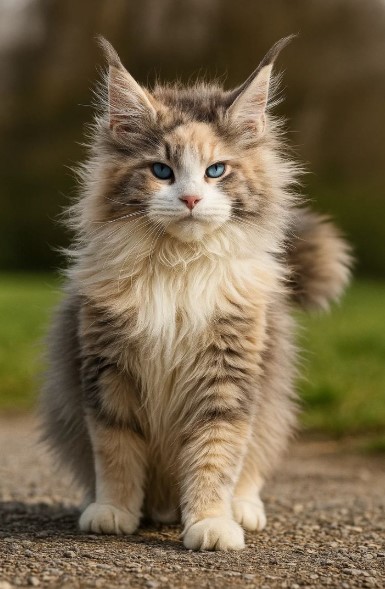
What Makes a Cat Breed Rare and Beautiful?
Rarity in cats is measured by low registration numbers in major associations such as TICA or CFA, limited breeders worldwide, and small overall populations—sometimes only a few hundred individuals. Beauty is subjective yet often tied to features that stand out: pure white coats with odd-colored eyes, naturally occurring spots, curly or sparse coats, athletic wild-type builds, or luminous eye colors.
Many rare breeds arose from natural mutations or isolated populations rather than intensive human redesign. This can mean fewer exaggerated traits that compromise health, though limited gene pools still require careful breeding to avoid inbreeding depression. Ethical acquisition prioritizes health-tested lines, transparency, and support for preservation rather than novelty.
Check Also: Rare Exotic Cat Breeds
Sokoke: Kenya’s Forest Jewel
Often cited as one of the rarest natural domestic breeds, the Sokoke (or Sokoke Forest Cat) originated from the feral khadzonzo landrace in Kenya’s Arabuko-Sokoke Forest. Formalized in the late 1970s and refined primarily in Europe and North America, the global population remains very small—likely only a few hundred cats.
Sokokes are medium-sized, long-legged, and athletic with a distinctive “tip-toe” gait from longer hind legs. Their short, coarse coats display a blotched tabby pattern in warm brown tones, often with a hollow or cold-ticked appearance that provides excellent camouflage. The overall look is wild yet fully domestic.
Temperament is intelligent, active, and affectionate with family. They need mental and physical stimulation and may prefer homes with climbing space or supervised outdoor access. Grooming is minimal. Lifespan typically ranges from 12 to 15 years. Finding a reputable Sokoke requires patience and often a waiting list; prices reflect scarcity.
Khao Manee: Thailand’s Diamond-Eyed Treasure
Known as the “White Gem,” the Khao Manee is an ancient Thai breed referenced in historical manuscripts and long associated with royalty and good fortune. Kept largely exclusive to Thailand until the late 1990s, it remains uncommon outside specialist circles.
These medium-sized cats have pure white short coats and striking eyes that can be blue, gold, amber, green, or odd-eyed (one blue and one of another color). The odd-eyed variety is especially prized. Muscular and athletic, they often carry subtle tail kinks.
Khao Manees are playful, intelligent, talkative, and highly social. They form strong bonds and enjoy interactive play. Grooming is simple. Like many pure-white cats, they may have a higher incidence of deafness linked to certain eye colors, so responsible breeders screen carefully. Their luminous eyes and elegant presence make them living jewels.
Lykoi: The Werewolf Cat
The Lykoi arose from a natural mutation in domestic shorthair cats, producing a partially hairless, roan coat that gives a werewolf-like appearance. Patches of hair come and go, and the face often shows sparse fur around the eyes, nose, and muzzle, enhancing the dramatic look.
Despite the striking “werewolf” aesthetic, Lykoi are fully domestic, affectionate, social, and playful. They are intelligent and enjoy human interaction. Their sparse coat requires protection from sun and cold, plus attention to skin health. The recessive mutation contributes to ongoing rarity. When bred responsibly, they are generally healthy and make engaging companions for those who appreciate unique appearance without wild ancestry.
Turkish Van: The Swimming Cat of Lake Van
An ancient breed from the Lake Van region of eastern Turkey, the Turkish Van is celebrated for its distinctive “Van pattern”—color restricted to the head and tail on a predominantly white body—and an unusual love of water. The semi-long cashmere-like coat and muscular build add to its elegant, athletic beauty.
Turkish Vans are energetic, intelligent, and affectionate. They enjoy interactive play and can be quite athletic. Regular grooming is needed, especially during seasonal shedding. They remain relatively rare outside dedicated breeding programs. Health is generally robust with proper care. Their combination of striking pattern, swimming inclination, and lively personality sets them apart.
Chartreux: The Smiling Blue Cat of France
The Chartreux is a historic French breed with a dense, woolly blue-gray coat, copper or gold eyes, and a characteristic “smile.” Robust and muscular yet surprisingly agile, these cats have an understated elegant beauty.
Known for quiet voices and gentle, loyal temperaments, Chartreux form strong bonds and adapt well to various households. Their coat requires moderate grooming. Once more common, pure Chartreux have become less numerous, especially outside Europe, adding to their special status among enthusiasts of classic European breeds.
Korat: Thailand’s Silver-Blue Good-Luck Cat
Another ancient Thai treasure, the Korat features a short, silver-tipped blue coat that shimmers and large, luminous green eyes. Heart-shaped faces and muscular builds give them a refined yet sturdy appearance. Historically considered bringers of good fortune, they were rarely exported until modern times.
Korats are intelligent, energetic, and deeply devoted to their people. They can be vocal and prefer interactive households. Grooming is minimal. Their combination of striking coloration and engaging personality makes them highly prized among those seeking Thai breeds beyond the Siamese.
LaPerm and American Wirehair: Curly and Wiry Beauties
The LaPerm originated from a spontaneous curly-coated mutation on an Oregon farm. Cats can be short- or long-haired with soft, ringlet curls that create a unique textured beauty. They are affectionate, active, and people-oriented.
The American Wirehair features a coarse, crimped, springy coat from another spontaneous mutation. Similar in type to the American Shorthair but with the distinctive wiry texture, they are adaptable and good-natured. Both breeds remain uncommon due to limited breeding programs, offering tactile and visual interest rarely seen in more popular cats.
Other Notable Beautiful Rare Breeds
Additional breeds worth knowing include the Egyptian Mau (naturally spotted with a metallic sheen and ancient lineage), the Ocicat (ocelot-like spots without wild blood), the Toyger (selectively bred for tiger-like stripes), the Serengeti (aiming for a serval look through domestic crosses), and experimental or very limited types such as certain Rex mutations or color variants. Hybrids like early-generation Savannahs or Chausies offer dramatic wild aesthetics but come with higher energy needs, legal considerations in some areas, and ethical debates around hybrid breeding.
Caring for Beautiful Rare Cat Breeds
Rarity often means smaller gene pools, so health testing by breeders is especially important. Many of these cats are active and intelligent, requiring enrichment, vertical space, and daily interaction. Coat care ranges from minimal (Sokoke, Khao Manee, Korat) to specialized (Lykoi skin care, LaPerm curls, Turkish Van seasonal shedding).
Provide high-quality nutrition, regular veterinary care, and protection from extremes of temperature for thin- or sparse-coated individuals. Because populations are small, supporting ethical breeders who prioritize genetic diversity and health helps preserve the breeds for the future.
Finding and Welcoming a Rare Cat
Reputable breeders are few and often maintain waiting lists. Expect thorough screening of potential owners. Breed-specific rescues occasionally have adults available. Avoid anyone prioritizing extreme appearance or rapid sales over health documentation. Prices are typically higher than for common breeds due to scarcity and careful breeding practices.
Frequently Asked Questions
What is the rarest cat breed? The Sokoke is frequently cited as one of the rarest recognized natural domestic breeds due to its tiny global population. Some mutation breeds such as Ojos Azules or Tennessee Rex may exist in even smaller numbers.
Are rare cat breeds healthier? Not automatically. Limited gene pools can increase risks if breeding is not careful. Many natural rare breeds are robust when responsibly managed, while some mutation-based breeds require attention to specific traits (coat, eyes, etc.).
Do rare cats make good family pets? Many do when their energy and stimulation needs are met. Highly active or intelligent breeds suit engaged owners; calmer ones adapt more easily to quieter homes.
How much do rare cat breeds cost? Prices vary widely—from moderate for less extreme examples to several thousand dollars for the rarest or most striking individuals. Ongoing care costs are similar to other cats, though specialized needs may add expense.
Are there hypoallergenic rare breeds? No cat is fully hypoallergenic. Some with unique coats (certain Rexes or sparse-coated types) may produce less loose hair and cause milder reactions in sensitive people, but results vary.
Is it ethical to buy rare breeds? Yes when supporting preservation-minded breeders who health-test, avoid inbreeding, and prioritize welfare. Novelty-driven breeding that ignores health is not ethical.
Can I find these breeds in shelters? Occasionally, especially adults or less extreme examples through breed rescues. Pure rare kittens are more often available from specialist breeders.
Do rare cats need special diets or care? Most thrive on high-quality commercial food. Specific needs (skin care for Lykoi, enrichment for high-energy types, temperature protection for thin coats) should be addressed individually.
Conclusion
Beautiful rare cat breeds expand our appreciation of feline diversity. From the ancient forest-adapted Sokoke and the royal white Khao Manee to the mythical-looking Lykoi, the water-loving Turkish Van, and the classic elegance of the Chartreux and Korat, these cats offer living examples of nature’s creativity and careful human preservation.
Their rarity makes them special, yet it also carries responsibility. Prospective owners should research thoroughly, choose ethical sources, provide enriched environments, and commit to lifelong care. When matched thoughtfully, a rare cat becomes not merely a striking companion but a participant in safeguarding unique genetic lineages.
The world of rare cats continues to evolve as new mutations appear and ancient landraces gain recognition. Whether you are captivated by luminous eyes, unusual coats, wild elegance, or quiet historical mystique, these breeds remind us that cats, in all their forms, remain endlessly fascinating. With knowledge, respect, and care, the beauty of rare felines can be enjoyed responsibly for generations to come.