
There is nothing quite as captivating as a kitten. Tiny paws, oversized ears, boundless curiosity, and that signature wobble as they learn to navigate the world make the kitten stage irresistible. Yet when the kitten in question belongs to a specific breed, the experience becomes even more distinctive. A Maine Coon kitten already hints at the gentle giant it will become. A Siamese kitten chatters insistently. A Persian kitten may arrive with the same flat face and calm demeanor that defines the adult. A Bengal kitten explodes with energy that foreshadows years of athletic play.
Understanding how different cat breeds present as kittens—their appearance, personality development, growth patterns, and special care needs—helps new owners prepare realistically and choose wisely. This comprehensive guide explores the kitten stages of popular purebred cats, the universal developmental milestones that apply across breeds, and the practical realities of raising a purebred kitten from adoption through adulthood.
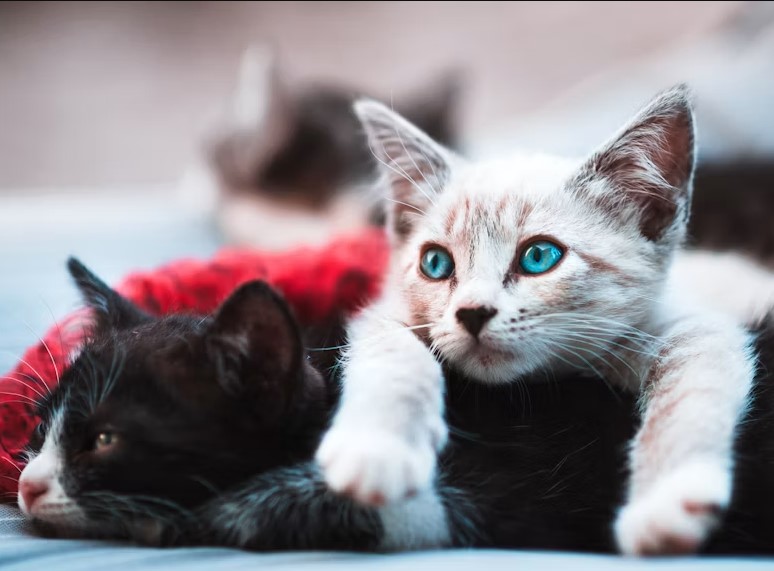
Why Breed Matters Even in Kittens
All kittens share certain traits: high energy, intense play drive, rapid physical growth, and a critical socialization window. However, selective breeding has shaped baseline tendencies that often appear early. Energy level, vocalization, coat type, facial structure, and adult size projections can already be noticeable by 8–12 weeks of age.
Personality is not fixed at birth. Genetics provide tendencies, while early experiences—especially between 2 and 9 weeks—strongly influence confidence, friendliness toward people, and comfort with other animals. By roughly 16 weeks, many core personality traits become more stable, though refinement continues into the second year.
Large breeds grow differently from small or medium ones. Most cats reach near-adult size between 12 and 18 months. Maine Coons and Ragdolls may continue filling out until 3 or even 4 years of age. This extended growth period affects nutrition, joint health, and expectations for “puppy-like” energy lasting longer than in smaller breeds.
Check Also: Grumpy Cat Breed
Developmental Stages Common to All Kittens
Neonatal (0–2 weeks) Kittens are blind, deaf, and completely dependent. They spend most of their time nursing and sleeping. Breed differences are minimal beyond size and coat.
Transitional (2–3 weeks) Eyes and ears open. First attempts at walking begin. Socialization to humans can start with gentle handling.
Socialization Window (2–9 weeks, peak influence) This is the most critical period. Positive exposure to people, handling, household sounds, and other animals shapes lifelong temperament. Kittens removed too early or poorly socialized may become fearful or less adaptable adults.
Juvenile / Play Period (3–6 months) Explosive energy, intense play, teething, and rapid learning. Breed tendencies (vocalization in Siamese, athleticism in Bengals, calm curiosity in British Shorthairs) become clearer.
Adolescent (6–12+ months) Sexual maturity often arrives before full physical or social maturity. Energy may remain high. Neutering typically occurs in this window and can moderate some behaviors.
Young Adult (1–2 years and beyond) Personality settles. Large breeds continue growing. Most cats calm somewhat compared with peak kitten chaos, though active breeds retain higher energy lifelong.
Popular Cat Breeds as Kittens
Maine Coon Kittens Even as babies, Maine Coons look substantial. They often have big paws, tufted ears, and a sturdy frame that hints at their future size (males commonly 13–20+ pounds). Coat is already developing the characteristic texture. Personality tends toward friendly, dog-like curiosity and playfulness without excessive intensity. They usually enjoy interaction and tolerate handling well. Growth is slow and steady; owners should not expect full size until 3–4 years. Early grooming habits help manage the eventual heavy coat. Watch for signs of hip issues or heart concerns as they mature, though genetic testing of parents reduces risk.
Persian and Exotic Shorthair Kittens These kittens already display the round head and short muzzle that define the breeds. Persian kittens have longer coats that require early introduction to gentle brushing. Exotics have the same facial structure with easier short coats. Temperament is typically calm and affectionate even as kittens, though they still play. Special attention is needed for eye cleaning because tear staining begins early in flat-faced cats. Breathing should be monitored; extreme facial types may show noisy respiration. These kittens suit quieter homes and owners prepared for grooming or facial care.
Siamese and Related Oriental Kittens Siamese kittens are born white or cream and develop their pointed coloring (darker ears, face, paws, tail) over the first weeks and months as temperature-sensitive pigment activates. They are notably vocal from a young age—chirps, meows, and conversations begin early. Energy is high and intelligence is obvious; they demand interaction and can become bored or destructive without engagement. They bond strongly and often prefer to be near their people. Dental care should start early, as the breed can be prone to issues later.
Bengal Kittens Bengal kittens look like miniature wildcats with bold spots or marbling. Energy levels are extremely high. They climb, leap, chase, and invent games constantly. Intelligence is sharp, so puzzle toys, climbing structures, and interactive play are essential from the start. Without sufficient stimulation they can become mischievous. Coat is short and low-maintenance. These kittens thrive with experienced, active owners who treat them almost like a canine companion in terms of engagement.
Ragdoll Kittens Ragdolls are known for their relaxed, floppy nature when handled, and this tendency often appears in kittenhood. They are typically affectionate, people-oriented, and relatively moderate in energy compared with Bengals or Abyssinians. Color points develop gradually, similar to Siamese. They grow into large cats (males often 15–20 pounds) over several years. Early socialization reinforces their gentle disposition. Monitor weight as they mature, as the breed can be prone to obesity.
British Shorthair Kittens These kittens are chunky, round-faced, and dense-coated from early on. Playfulness is present but often less frantic than in high-drive breeds. They tend to be independent yet affectionate, observing more than demanding constant attention. The classic “British” calm emerges gradually. Coat care is straightforward. Watch for weight gain as they approach adulthood, since obesity is a common concern.
Sphynx Kittens Hairless or nearly hairless from birth (some have fine peach fuzz), Sphynx kittens need skin care early—regular bathing or wiping to manage oil buildup. They seek warmth and often cuddle closely. Personality is typically outgoing, energetic, and very people-focused. They feel warmer to the touch because body heat is not insulated by fur. Protect from sun and cold. Heart health screening becomes relevant as they mature.
Abyssinian and Similar Active Breeds Aby kittens are sleek, curious, and perpetually in motion. They climb, explore, and investigate everything. Intelligence and independence are noticeable early. They need vertical space and interactive play. Coat is short and easy. These kittens suit homes that can match their activity level.
Scottish Fold Kittens Ears begin folding around 3–4 weeks in cats that carry the fold gene (not all kittens in a litter will fold). The round face and large eyes give an appealing “owl” look. Personality is generally sweet and adaptable. Important caveat: the same gene affecting ear cartilage can cause painful joint and bone issues lifelong. Many experts and organizations discourage breeding folded-eared cats for welfare reasons. Straight-eared littermates from Fold lines do not carry the same risk.
Universal Kitten Care Considerations by Breed Tendencies
Nutrition All kittens need high-quality kitten food formulated for growth. Large-breed kittens (Maine Coon, Ragdoll) benefit from controlled growth to protect developing joints—avoid overfeeding. Follow feeding guidelines and monitor body condition.
Socialization and Training Regardless of breed, the 2–9 week window is critical. Continue positive experiences after bringing a kitten home at 8–12 weeks or later. Handle paws, mouth, and ears gently to prepare for future grooming and veterinary care. Use positive reinforcement for litter training, scratching posts, and basic manners.
Environment High-energy breeds need cat trees, puzzle feeders, and daily interactive play. Lower-energy or brachycephalic breeds still require enrichment but may prefer gentler activities and cooler environments.
Health Monitoring Purebred kittens should come from breeders who health-test breeding cats (HCM for many breeds, PKD for Persians and related, etc.). Schedule veterinary visits for vaccinations, deworming, and early detection of issues. Spay/neuter timing is usually discussed around 4–6 months, with some variation by breed and individual development.
Grooming Introduction Start young. Long-haired kittens (Persian, Maine Coon) need gradual brushing sessions. Sphynx need skin care routines. Flat-faced kittens benefit from early eye cleaning habits.
Choosing a Purebred Kitten
Visit the breeder or foster home if possible. Observe the litter’s environment, the mother’s temperament, and how the kittens interact. Ask for health testing documentation on the parents. A well-socialized kitten from a clean, enriched setting has the best foundation regardless of breed.
Consider your lifestyle honestly. A high-drive Bengal or Abyssinian kitten will not thrive with an owner who is away long hours and prefers a quiet lap cat. A Persian or British Shorthair may be better suited to calmer households. Large-breed kittens require space, time, and budget for their eventual size.
Adoption through breed-specific rescues is another excellent route and often includes older kittens or young adults whose personalities are already clearer.
Frequently Asked Questions
Do purebred kittens have different personalities from mixed-breed kittens? Breed can influence tendencies (energy, vocalization, sociability), but individual variation is large. Early socialization often matters more than pedigree for adult temperament.
When can I tell what my kitten’s adult personality will be like? Useful indicators appear by 8–12 weeks. Core traits become more stable around 16 weeks, though refinement continues. Energy levels often decrease somewhat after the first or second year.
How big will my purebred kitten get? It depends on the breed. Siamese and many Orientals stay relatively small. Maine Coons and Ragdolls become large and may grow until 3–4 years. Ask the breeder for parent sizes as a guide.
Are purebred kittens harder to care for than mixed breeds? Not necessarily, but some have specific needs (grooming for longhairs, skin care for Sphynx, enrichment for high-energy breeds, facial care for flat-faced types). Mixed breeds often have fewer predictable inherited conditions.
Should I get a kitten or an adult cat of a specific breed? Kittens require more time, supervision, and training. Adults have established personalities and are often past the most destructive phase. Both can be rewarding.
Do all kittens calm down after the first year? Most become less frantically active, but high-energy breeds retain more playfulness and need for stimulation throughout life. Neutering helps moderate some behaviors.
What health tests should parents of purebred kittens have? Common ones include HCM (hypertrophic cardiomyopathy) screening for many breeds, PKD for Persians and related, and breed-specific tests such as SMA in Maine Coons. Reputable breeders provide documentation.
Is it better to get two kittens? Many experts recommend adopting pairs, especially for high-energy or social breeds, because they entertain each other and develop better social skills. Ensure you can afford double the care.
Conclusion
Raising a purebred kitten is a journey of rapid change, delightful chaos, and deepening bond. From the substantial paws of a Maine Coon baby to the insistent voice of a Siamese, the spotted energy of a Bengal, or the calm presence of a Persian, each breed brings its own flavor to the universal kitten experience of curiosity, play, and growth.
The most important factors for success remain the same across breeds: responsible sourcing, thorough socialization during the critical early weeks, appropriate nutrition and veterinary care, and an environment that matches the cat’s eventual energy and personality needs. Breed tendencies offer helpful guidance, but every kitten is an individual.
By understanding what different cat breeds look and act like as kittens—and how they develop into adults—you can set realistic expectations and provide the foundation for a healthy, confident, well-adjusted companion. The kitten stage is fleeting. With knowledge, patience, and care, it becomes the beginning of many years of rewarding feline friendship. Whether your future cat is a gentle giant, a vocal conversationalist, an athletic climber, or a quiet lap warmer, the time invested in those early months shapes a lifetime of companionship.