
Flat-faced cats—those round-headed, big-eyed, smushed-nose felines—have an almost irresistible appeal. Their baby-like features trigger protective instincts in many people, making Persian, Exotic Shorthair, Himalayan, and similar breeds perennial favorites in homes and on social media. Yet behind the adorable “squish” lies a unique anatomy that brings both special joys and serious responsibilities.
This guide explores what makes a cat brachycephalic (the scientific term for short-headed or flat-faced), the most popular breeds, their personalities, health considerations, daily care needs, and practical advice for owners. Whether you already share your life with a flat-faced cat or are considering one, understanding the full picture helps ensure these charming companions live as comfortably and happily as possible.
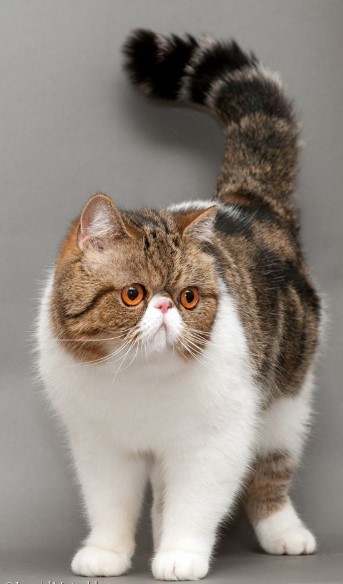
What Does “Flat-Faced” Mean in Cats?
Brachycephaly comes from the Greek words for “short” and “head.” In cats, it describes a skull that is noticeably shorter from front to back than in typical domestic cats. The result is a flattened face, shortened muzzle, and often large, round, protruding eyes.
This conformation is not a natural wild-type trait. Selective breeding over decades—especially since the mid-20th century—emphasized extreme facial flatness for the “doll-faced” or “peke-faced” look preferred in show rings and by many pet owners. Persian-type cats show the most extreme versions; other breeds display milder degrees.
The shortened skull compresses the upper airways, nasal passages, eye sockets, and dental arcades into a smaller space. Soft tissues that would fit comfortably in a longer skull can become crowded or elongated relative to the available bone structure. These changes create the signature appearance but also the health vulnerabilities associated with the group.
Not every individual of a brachycephalic breed is equally affected. Some lines have been bred toward more moderate faces with better nostril openings and less extreme features. Responsible breeders increasingly prioritize function alongside form.
Check Also: Tuxedo Cat Breed
Popular Flat-Faced Cat Breeds
Several breeds are commonly classified as brachycephalic, though the degree of flatness varies.
Persian Cats The quintessential flat-faced cat. Originating from long-haired cats brought from Persia (modern Iran) and refined in Europe and North America, modern show Persians often have extremely short faces where the forehead, nose, and chin form a nearly vertical line when viewed in profile. They have long, flowing coats in a wide range of colors and patterns, large expressive eyes, and a sturdy, cobby body.
Persians are typically quiet, gentle, and affectionate. They prefer calm households and enjoy being lap cats. Lifespan averages around 10–15 years or more with good care, though health issues can shorten this.
Exotic Shorthair Cats Often called the “Persian in pajamas,” the Exotic was developed by crossing Persians with American Shorthairs and other short-haired breeds to retain the Persian body type and face while reducing the high-maintenance coat. They have the same round head, short muzzle, and large eyes, but a dense, plush short coat that is far easier to groom.
Exotics tend to be slightly more playful than classic Persians while remaining sweet, quiet, and people-oriented. They suit families, seniors, and multi-pet homes well. Lifespan is commonly listed as 8–15 years.
Himalayan Cats A colorpoint variety of the Persian, created by crossing Persians with Siamese. Himalayans combine the long coat and flat face of the Persian with the pointed pattern (darker face, ears, legs, and tail) and blue eyes of the Siamese. Their temperament is generally similar to Persians—affectionate and relatively low-energy—though some individuals show a bit more playfulness inherited from Siamese ancestry.
British Shorthair (and Longhair) These cats have a round “teddy bear” face that is moderately brachycephalic compared with extreme Persians. They feature a broad head, large round eyes, and a short but less dramatically flattened muzzle. Dense, plush coats (short or long) and a calm, independent yet affectionate personality make them popular. Many lines prioritize balance over extreme flatness.
Other Breeds with Flat or Rounded Faces Burmese cats often show a rounded, somewhat shortened face and are known for their dog-like devotion and energy. Scottish Folds can have rounded faces (though their defining trait is folded ears). Some Bombay, Selkirk Rex, and Chinchilla (a silver Persian variant) lines also display brachycephalic features to varying degrees.
Within any breed, individual variation exists. A well-bred moderate-faced Persian may have fewer issues than an extremely typed show cat from less careful lines.
Personality and Temperament of Flat-Faced Cats
Most extreme brachycephalic breeds (Persian, Exotic, Himalayan) share a reputation for being gentle, quiet, and affectionate. They are often described as “lap cats” that enjoy human company without demanding constant high-energy interaction. They adapt well to apartment living and tend to be less vocal and less driven by hunting instincts than many other breeds.
British Shorthairs are typically more independent and composed. Burmese stand out for higher energy, intelligence, and strong attachment to their people—sometimes described as almost dog-like in their desire to follow owners around.
These cats generally get along with children who treat them gently and can coexist with other pets when properly introduced. Their lower activity levels mean they rarely require extensive play sessions, though interactive toys and climbing opportunities still benefit their mental and physical health.
Health Concerns Associated with Flat Faces
The same features that create the adorable look can compromise health. Awareness and proactive care make a significant difference.
Brachycephalic Obstructive Airway Syndrome (BOAS) This group of upper-airway abnormalities can include stenotic (narrowed) nostrils, elongated soft palate, crowded nasal passages, and sometimes a relatively narrow trachea. Affected cats may breathe noisily, snore, tire easily, open-mouth breathe (especially in heat or after mild activity), or show exercise intolerance. Heat and humidity worsen symptoms because cats primarily cool themselves by panting through the nose and mouth. Severe cases can lead to cyanosis or collapse.
Not every flat-faced cat has clinically significant BOAS, but the risk rises with more extreme facial shortening.
Eye Problems Shallow eye sockets cause the eyes to protrude. Incomplete eyelid closure (lagophthalmos), reduced blinking efficiency, and poor tear drainage are common. Consequences include chronic tear overflow (epiphora) with facial staining, corneal dryness or ulcers, exposure keratitis, and higher risk of eye injuries. Some cats develop entropion (in-turned eyelids) or other eyelid abnormalities that irritate the cornea.
Daily gentle cleaning of the eyes and surrounding fur is often necessary to prevent staining and secondary skin irritation.
Dental Issues The shortened jaw packs a full set of teeth into less space, leading to crowding, malocclusion, retained deciduous teeth, and higher rates of periodontal disease. Regular dental care is essential.
Other Concerns Persian-related breeds have elevated risk of polycystic kidney disease (PKD), an inherited condition in which fluid-filled cysts gradually destroy kidney tissue. Genetic testing of breeding cats has reduced incidence in responsible programs. Hypertrophic cardiomyopathy (HCM) occurs in some lines. Skin fold dermatitis can develop in facial wrinkles if moisture and debris are not managed. Overgrown nails and coat-related skin issues appear more frequently in long-haired varieties.
A 2019 UK study of Persians under first-opinion veterinary care found that nearly 65% had at least one recorded disorder, with dermatological, ophthalmological, and dental problems among the most common. Median longevity was about 13.5 years.
Responsible breeding that selects against extreme features and screens for hereditary diseases improves outcomes. Potential owners should ask breeders for health testing results (especially PKD DNA tests) and prefer cats with wider nostrils and less extreme facial flattening when possible.
Daily Care and Lifestyle Needs
Grooming Long-haired Persians and Himalayans need daily brushing to prevent mats and reduce hairballs. Exotics require less frequent but still regular grooming (several times a week). All benefit from occasional baths if they tolerate them. Facial folds and the area under the eyes need gentle daily cleaning with a soft, damp cloth or veterinarian-recommended wipes to remove tear residue and prevent dermatitis.
Environment and Temperature These cats overheat more easily. Provide cool, well-ventilated spaces, limit outdoor time in hot weather, and never leave them in warm cars or direct sun without shade and airflow. Air conditioning or fans help in summer. Elevated resting spots and soft bedding support comfort.
Diet and Weight Management Obesity worsens breathing difficulties. Feed a high-quality diet appropriate for the cat’s age and activity level, measure portions, and monitor body condition. Some cats benefit from elevated food bowls if they prefer them. Dental-friendly diets or regular professional cleanings help manage oral health.
Exercise and Enrichment While many are low-energy, gentle play sessions with feather wands, puzzle feeders, and cat trees keep them mentally stimulated without overexertion. Avoid forced strenuous activity.
Veterinary Care Choose a veterinarian familiar with brachycephalic cats. Regular check-ups should include assessment of breathing, eyes, teeth, and weight. Early intervention for noisy breathing, eye irritation, or dental disease improves quality of life. In severe BOAS cases, surgical correction of stenotic nares or soft palate may be recommended.
Living Happily with a Flat-Faced Cat
These cats reward attentive owners with deep affection and a calm presence. Their lower activity level suits quieter households, apartment dwellers, and people who prefer a companion that enjoys lounging nearby rather than constant high-energy play.
Success depends on realistic expectations. Daily eye and face cleaning, consistent grooming, weight control, temperature management, and prompt veterinary attention for breathing or eye concerns become part of the routine. Choosing a kitten from a health-focused breeder who prioritizes moderate conformation and genetic screening greatly reduces future problems.
Adoption is another excellent option. Many purebred and mixed flat-faced cats need homes through breed-specific rescues. Adult cats often come with known temperaments and established health histories.
Frequently Asked Questions
Are flat-faced cats healthy? They can be healthy companions when carefully bred and well cared for, but they carry higher risks of breathing difficulties, eye problems, dental disease, and (in Persian-related lines) polycystic kidney disease compared with moderate-faced cats. Individual variation is large; moderate-faced individuals from screened lines often fare better.
Do all flat-faced cats have breathing problems? No. Severity ranges from none or mild (occasional snoring) to significant BOAS requiring management or surgery. Extreme facial flatness correlates with higher risk.
How much grooming do they need? Persians and Himalayans typically need daily brushing. Exotics need less frequent coat care but still regular attention. All require daily or near-daily cleaning around the eyes and facial folds.
Are they good with children and other pets? Most are gentle and tolerant when children are taught respectful handling. They often coexist well with other calm pets. High-energy households may overwhelm some individuals.
What is the average lifespan? Varies by breed and individual health: commonly 10–15+ years for Persians and related breeds when well managed. Good breeding, weight control, and proactive care support longer, higher-quality lives.
Should I choose a flat-faced cat? Only if you are prepared for the specific care requirements and potential veterinary costs. The reward is a loving, often very affectionate companion with an endearing appearance. Research breeders thoroughly, prioritize health over extreme looks, or consider adoption.
Can the health issues be fixed? Some problems (severe stenotic nares, certain eyelid issues) can be improved surgically. Many others are managed medically or through lifestyle adjustments rather than cured. Prevention through responsible breeding and daily care is ideal.
Are there less extreme alternatives? British Shorthairs and some Burmese or moderate Persian lines offer rounded, appealing faces with generally fewer extreme anatomical compromises. Non-brachycephalic breeds with round heads or large eyes can also provide similar visual appeal without the same risks.
Conclusion
Flat-faced cat breeds occupy a special place in the feline world. Their distinctive looks and often gentle temperaments have made them beloved companions for generations. At the same time, the anatomical changes that create the flat face introduce real welfare considerations that every prospective or current owner should understand.
The most responsible approach combines admiration for their unique beauty with commitment to their physical needs. Choosing cats from breeders who value open nostrils, moderate facial structure, and genetic health testing; providing daily facial care, weight management, and a cool environment; and partnering with a knowledgeable veterinarian allows many of these cats to thrive.
When cared for thoughtfully, a flat-faced cat can be a deeply rewarding presence—quiet, affectionate, and full of personality. Their soft gazes and calm companionship remind us that true appreciation of any breed includes both celebrating what makes them special and protecting their ability to live comfortably. With informed owners, the charm of the flat face can be enjoyed for many healthy, happy years.