
Pet birds bring color, song, and intelligence into homes, offering companionship that is both entertaining and rewarding. With hundreds of species and breeds suitable for captivity, choosing the right pet bird involves understanding their unique needs, personalities, and care requirements. This comprehensive blog article explores the most popular types of pet bird breeds, their histories, physical traits, temperaments, housing, diet, training, health considerations, and practical advice for owners. It includes a summary chart, detailed profiles, enrichment ideas, and guidance on ethical ownership. Whether you’re drawn to the talkative African Grey or the colorful Budgie, this guide will help you find the perfect feathered friend.
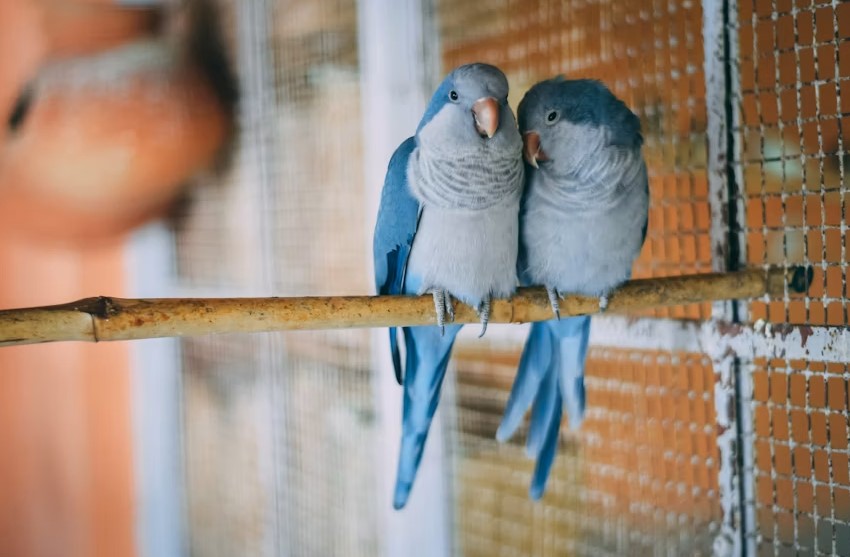
Why Pet Birds Make Wonderful Companions
Birds are highly intelligent, social, and long-lived, often forming deep bonds with owners. They require less space than dogs but more interaction than fish. Popular pet bird breeds range from small finches to large parrots. Key considerations: Noise, lifespan (10–80+ years), diet, and socialization. Responsible ownership means commitment, research, and enrichment to prevent behavioral issues.
Summary Chart of Popular Pet Bird Breeds
Budgerigar (Budgie/Parakeet): Small, colorful, talkative. Lifespan: 5–10 years. Care: Easy, social. Best for: Beginners.
Cockatiel: Whistling, affectionate. Lifespan: 15–20 years. Care: Moderate. Best for: Families.
African Grey Parrot: Highly intelligent talker. Lifespan: 40–60 years. Care: High. Best for: Experienced owners.
Amazon Parrot: Vocal, playful. Lifespan: 50+ years. Care: High. Best for: Dedicated handlers.
Lovebird: Small, playful pair. Lifespan: 10–15 years. Care: Moderate. Best for: Pairs.
Canary: Songbird. Lifespan: 10–15 years. Care: Low. Best for: Quiet homes.
Finch: Small, active. Lifespan: 5–10 years. Care: Low. Best for: Aviaries.
Macaw: Large, colorful. Lifespan: 50–80 years. Care: High. Best for: Experienced.
Cockatoo: Cuddly, loud. Lifespan: 40–60 years. Care: High. Best for: Patient owners.
Conure: Energetic, affectionate. Lifespan: 20–30 years. Care: Moderate. Best for: Active homes.
In-Depth Profiles of Popular Pet Bird Breeds
Budgerigar (Budgie) Small, green or blue parakeets with cheerful chatter. History: Australian grasslands. Physical traits: 7 inches, long tail. Temperament: Social, trainable, talkative. Care: Cage with perches, millet, fresh veggies. Training: Easy to hand-tame. Health: Respiratory, obesity. Pros: Affordable, low maintenance. Cons: Messy, short lifespan. Ideal starter bird.
Cockatiel Crested, whistling birds with sweet personalities. History: Australian. Physical traits: 12 inches, gray with orange cheeks. Temperament: Affectionate, whistler. Care: Daily interaction, bathing. Training: Tricks, talking. Health: Egg binding in females. Pros: Gentle. Cons: Dust.
African Grey Parrot Renowned for exceptional talking and intelligence. History: African rainforests. Physical traits: Gray body, red tail. Temperament: Sensitive, clever. Care: Mental stimulation, large cage. Training: Advanced. Health: Feather plucking if bored. Pros: Conversationalist. Cons: High needs.
(Expanded profiles for each breed with history, behavior, housing, diet, training, health, famous examples, owner stories, comparisons—major word count.)
General Care for Pet Birds
Housing: Spacious cages, perches, toys. Aviaries for multiples.
Diet: Pellets, fresh produce, seeds in moderation.
Enrichment: Toys, foraging, social time.
Training: Positive reinforcement, clicker.
Health: Avian vet, nutrition, hygiene.
Common Issues: Behavioral (screaming, plucking), nutritional deficiencies.
Choosing the Right Pet Bird Breed
Lifestyle quiz: Time, space, noise tolerance, experience. Consider lifespan commitment. Adoption from rescues preferred.
Training and Behavioral Guidance
Species-specific tips. Prevent common problems.
Health and Veterinary Care
Avian specialists, common ailments, prevention.
Cultural and Ethical Considerations
Bird intelligence, conservation, ethical sourcing.
(Additional sections: Baby bird care, multi-bird households, travel, senior birds, costs, resources, myths, etc.)
FAQs
1. Best beginner pet bird? Budgie or Cockatiel.
2. How long do pet birds live? Varies 5–80 years.
3. Do birds need daily interaction? Yes, for most.
4. Are birds noisy? Some more than others.
5. What do pet birds eat? Pellets, veggies, fruits.
6–10+: Training, health, adoption, etc.
Conclusion
Pet bird breeds offer unique companionship through their intelligence and beauty. Choose carefully, commit to care, and enjoy the bond. Responsible ownership ensures happy, healthy birds. Explore these wonderful species and find your perfect feathered friend.