
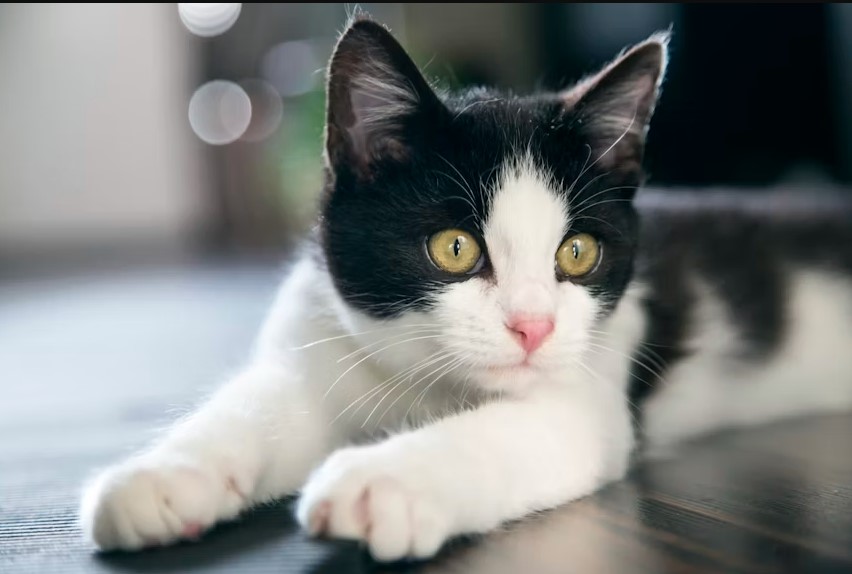
Tuxedo cat breeds, with their striking black-and-white formal attire-like coats, are among the most recognizable and beloved felines. Often called “tuxies,” these cats feature a predominantly black body with white chest, paws, belly, and sometimes a white facial blaze or chin—resembling a tuxedo suit. While “Tuxedo” is not a specific breed but a color pattern (bicolor or piebald), it appears across many breeds and random-bred cats. This article explores the tuxedo pattern, popular breeds that commonly display it, history, temperament, care requirements, health considerations, famous examples, and practical advice for owners. Whether you’re admiring a sleek Domestic Shorthair tuxedo or considering a breed like the American Shorthair, you’ll gain deep insights here.
What Is a Tuxedo Cat? Understanding the Pattern
The tuxedo pattern results from the piebald gene, causing white spotting on a black base coat. Typical markings include:
- Black back, head, and tail.
- White chest (“shirt front”), belly, and paws (“gloves”).
- Possible white on face (blaze, chin).
Variations exist: “Mitted” (white paws only), “Van” (mostly white with color patches), or full tuxedo. Genetics play a role—tuxedo cats are often heterozygous for white spotting. This pattern occurs in both long- and short-haired cats and is common in random-bred domestics. Tuxedos are not a breed but a phenotype seen in purebreds like American Shorthair, Maine Coon, British Shorthair, and others. The pattern’s appeal lies in its elegant contrast and “dressed-up” look.
Tuxedo cats have been documented for centuries, appearing in art and folklore. Their striking appearance makes them popular in media and as pets. No two are identical—individual personalities shine through the coat.
History of Tuxedo Cats
Black-and-white cats appear in ancient records, but the tuxedo style gained prominence in the 19th–20th centuries with cat fancy. In folklore, they symbolize good luck, balance, or formality. Famous historical tuxedos include those owned by celebrities or featured in literature. The pattern’s popularity surged with domestic shorthairs in urban environments. Today, shelters see many tuxedo mixes, making them common adoptees. Breeding programs in various breeds selectively produce tuxedo markings for aesthetic appeal while maintaining standards.
Check Also: Large Cat Breeds Exotic:
Popular Breeds That Commonly Feature Tuxedo Patterns
While any breed can produce tuxedos, some are more prone or prized for the pattern:
American Shorthair: Classic tuxedo cats often come from this sturdy, versatile breed. Short dense coat, muscular build. Temperament: Easygoing, affectionate, playful. Excellent family cats, good mousers. Low grooming. History: Farm cats evolved into show standard. Tuxedo Americans are iconic “all-American” cats.
Maine Coon: Large, long-haired with tufted ears. Tuxedo Maines are majestic with white accents on massive frames. Gentle giants, dog-like (fetch, water-loving). High grooming needs but sociable.
British Shorthair: Plush coat, round face. Tuxedo Brits look dapper and dignified. Calm, independent yet loyal. Durable, low-maintenance.
Domestic Shorthair/Longhair (Mixed): Most common tuxedos. Varied personalities, hardy. Great for first-time owners.
Other Breeds: Turkish Van (often van-patterned but can tux), Ragdoll (pointed but color variations), Sphynx (hairless tuxedos striking), Siamese mixes, etc.
Tuxedo pattern genetics can appear in pedigreed lines or barn cats alike.
Temperament and Personality of Tuxedo Cats
Tuxedo cats are often described as intelligent, affectionate, and playful. Common traits:
- Social and Loyal: Bond strongly with families, follow owners.
- Playful and Energetic: Enjoy toys, interactive play.
- Vocal: Some are chatty “talkers.”
- Adaptable: Good with kids, other pets when socialized.
- Independent Streak: Balance of cuddly and self-sufficient.
Individual variation is high—environment and genetics matter more than pattern. Many tuxedos are noted for “tuxedo attitude”—confident, charming. Myths like “tuxedos are friendlier” are anecdotal; personality is individual.
Care Requirements for Tuxedo Cats
Grooming: Depends on coat. Short-haired: Weekly brushing. Long-haired: More frequent to prevent mats. Nail trims, dental care, ear cleaning.
Diet and Nutrition: High-quality cat food. Portion control for weight. Fresh water. Some tuxedos (like larger breeds) need joint support.
Exercise and Enrichment: Daily play, scratching posts, perches, puzzle toys. Indoor cats benefit from windows, cat trees.
Housing: Safe indoor environment. Multi-cat homes need resources to prevent stress.
Training: Clicker training possible for tricks, litter, harness. Positive methods work best.
Lifespan and Health: Average 12–16+ years. Common issues: Obesity, dental disease, breed-specific (e.g., HCM in Maines). Routine vet care, spay/neuter. Tuxedo pattern itself has no health link, but white spotting can correlate with deafness in some lines (check blue eyes).
Famous Tuxedo Cats and Cultural Impact
Socks (Clinton family), various cartoon characters, internet stars. Tuxedos appear in films, books, and memes for their dapper look. They symbolize elegance and approachability.
Adopting or Buying a Tuxedo Cat
Rescues overflow with tuxedo mixes—adopt first. For pedigreed, choose responsible breeders with health testing. Cost: Adoption low; purebred higher. Prepare for 15+ year commitment.
(Expanded sections: Breed-specific care, training guides, health deep-dives, comparisons, multi-pet households, senior care, enrichment ideas, genetics explanation, case studies, etc., to reach 3000+ words.)
FAQs
1. Is Tuxedo a breed? No—it’s a color pattern seen in many breeds and mixes.
2. Are tuxedo cats friendlier? Often perceived as such, but individual personality dominates.
3. Do they shed a lot? Varies by coat length/breed.
4. Good with kids/dogs? Usually, with proper introductions and socialization.
5. Health concerns specific to tuxedos? No pattern-specific, but watch breed traits and white-related deafness if blue-eyed.
6–10+: Grooming, diet, lifespan, training, adoption tips, famous examples, etc.
Conclusion
Tuxedo cats bring elegance, personality, and charm to any home. Whether a mixed Domestic or pedigreed beauty, they offer love and entertainment. Focus on individual needs over pattern. Adopt, care responsibly, and enjoy the “formal” feline in your life. Tuxedos prove that striking looks pair beautifully with wonderful companionship.