
There is something uniquely captivating about a kitten. Tiny paws, oversized ears, and boundless curiosity make the early months irresistible. When that kitten belongs to a rare breed or carries an unusual genetic trait, the appeal intensifies. Rare kittens combine the universal charm of baby cats with distinctive appearances, limited availability, and the special responsibility that comes with preserving uncommon lineages.
This comprehensive guide explores what makes kittens rare, profiles several beautiful and uncommon breeds as they appear and develop in kittenhood, discusses care considerations unique to small populations, addresses ethical acquisition, and offers practical advice for raising these special cats. Whether you are drawn to the diamond-eyed Khao Manee, the forest-patterned Sokoke, the werewolf-like Lykoi, or other uncommon varieties, understanding rare kittens helps ensure they thrive.
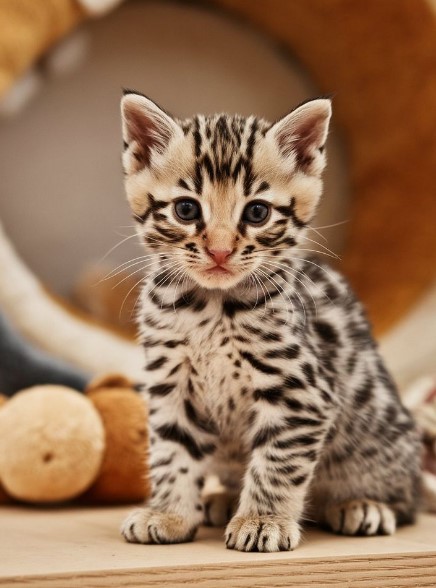
What Makes a Kitten “Rare”?
Rarity in kittens usually stems from one or more factors:
- Low overall breed population and few active breeders worldwide
- Recent or geographically limited natural mutations
- Ancient landraces only recently standardized and still scarce outside their region of origin
- Specialized coat, color, or structural traits that appear inconsistently even within the breed
- Careful, low-volume breeding programs that prioritize health and genetic diversity over quantity
Because purebred cats represent only a small percentage of the total pet cat population, many recognized breeds can be considered relatively uncommon. The rarest exist in numbers so limited that a single breeding program disruption could threaten the entire lineage. Beautiful rare kittens often command higher prices and longer waiting lists, reflecting both scarcity and the investment required for responsible breeding.
Check Also: Beautiful Rare Cat Breeds
Sokoke Kittens: Tiny Forest Ambassadors
The Sokoke is frequently ranked among the rarest natural domestic breeds. Originating from the Arabuko-Sokoke Forest in Kenya, these cats developed in relative isolation. Kittens are born with the breed’s distinctive blotched tabby pattern in warm brown tones and already show the long-legged, athletic build that will characterize adults.
Sokoke kittens tend to be active, curious, and intelligent from an early age. They benefit from early socialization and plenty of climbing and play opportunities. Their short coats require minimal grooming. Because the global population remains very small, kittens are infrequently available and usually come from dedicated preservation breeders who carefully manage genetics. Prospective owners should expect thorough screening and possibly a wait.
Khao Manee Kittens: Little White Gems
Khao Manee kittens are born pure white, with their striking eye colors—blue, gold, green, or odd-eyed—becoming more apparent as they mature. The odd-eyed variety is especially prized. These Thai “white gem” cats were historically associated with royalty and good fortune.
As kittens they are typically playful, vocal, and highly social. They form strong bonds quickly and enjoy interactive play. Early handling helps reinforce their people-oriented nature. Grooming is simple thanks to the short coat. Responsible breeders screen for deafness, which can be associated with white coats and certain eye colors. Availability outside specialist circles remains limited, making each litter noteworthy.
Lykoi Kittens: Werewolf Babies
Lykoi kittens are born with the partial hairlessness and roan patterning that gives the breed its “werewolf” appearance. The sparse coat around the face, ears, and body develops the characteristic look early, though the exact pattern can shift as they grow.
Despite their dramatic appearance, Lykoi kittens are affectionate, social, and playful. They seek human interaction and adapt well to engaged households. Their unique coat requires attention to skin health and protection from temperature extremes and sun. The recessive nature of the mutation keeps numbers relatively low. Ethical breeders focus on health and temperament alongside the distinctive look.
Turkish Van Kittens: Future Swimmers
Turkish Van kittens display the classic Van pattern—color concentrated on the head and tail against a white body—as it begins to emerge. Their semi-long coats develop gradually, and the breed’s noted affinity for water may appear even in play.
These kittens are energetic, intelligent, and affectionate. They need ample play and mental stimulation. Regular gentle grooming helps manage the developing coat. Because the breed remains uncommon outside dedicated programs, kittens are not readily available in most areas. Their lively personalities and striking looks make them memorable companions.
Chartreux and Korat Kittens: Classic European and Thai Beauties
Chartreux kittens arrive with the dense blue-gray coat and emerging “smile” expression that defines the breed. They tend to be sturdy, quiet, and affectionate, developing into loyal companions.
Korat kittens show the shimmering silver-blue coat and large green eyes early. Historically considered lucky in Thailand, they are intelligent, energetic, and devoted. Both breeds have relatively small breeding populations compared with more popular varieties, so kittens appear less frequently.
LaPerm and American Wirehair Kittens: Textured Coats from the Start
LaPerm kittens may be born bald or with curly coats that develop into soft ringlets. The texture is unique and tactile. They are typically affectionate and playful.
American Wirehair kittens display the crimped, springy coat that sets the breed apart. Not every kitten in a litter will express the full wirehair trait. Both breeds remain uncommon, and their distinctive coats attract owners seeking something different from standard short- or longhaired cats. Grooming is generally manageable once the adult coat is established.
Other Rare and Notable Kitten Types
Additional uncommon kittens include those from breeds such as the Egyptian Mau (naturally spotted with a metallic sheen), certain Rex mutations, Peterbalds (with variable hairlessness), and experimental or very limited color or structural varieties. Hybrid kittens (early-generation Savannah or Chausie) offer dramatic wild aesthetics but come with higher energy needs, potential legal restrictions, and ethical considerations around hybrid breeding.
Unique color or pattern mutations that appear spontaneously can also produce one-of-a-kind rare kittens, though these are not always established as formal breeds.
Developmental Stages and Care for Rare Kittens
Rare kittens follow the same broad developmental timeline as other kittens—neonatal dependence, transitional sensory opening, critical socialization window (roughly 2–9 weeks), high-play juvenile period, and adolescence—but small gene pools make health testing of parents especially important. Responsible breeders screen for breed-relevant conditions and share results.
Socialization is crucial. Positive exposure to people, handling, household sounds, and other animals during the sensitive period shapes confident adults. Rare breeds that are naturally more reserved or highly active benefit particularly from thoughtful early experiences.
Nutrition should support steady growth. Large or active breeds may need careful monitoring to avoid overly rapid growth, while all kittens require high-quality kitten food formulated for their life stage.
Environment should include vertical space, interactive toys, and safe exploration opportunities. High-energy rare breeds (Sokoke, Turkish Van, many Orientals) need more stimulation; calmer ones still require enrichment.
Grooming introduction should begin early and gently, especially for coats that will need ongoing care (LaPerm curls, Turkish Van semi-long hair, Lykoi skin).
Veterinary care includes the standard kitten series of vaccinations, deworming, and examinations, plus any breed-specific monitoring recommended by the breeder or veterinarian.
Ethical Considerations When Seeking Rare Kittens
Demand for rarity can incentivize poor practices. Prioritize breeders who:
- Perform and share health testing
- Limit the number of litters and breeding cats
- Raise kittens in enriched home environments
- Screen potential owners carefully
- Provide contracts, health guarantees, and ongoing support
- Focus on preservation and genetic diversity rather than novelty alone
Avoid anyone who always has multiple rare litters available, refuses visits, or prioritizes extreme appearance over health. Breed-specific rescues occasionally have older kittens or young adults available and are worth checking.
Prices for rare kittens are typically higher than for common breeds, reflecting scarcity, health testing, and careful rearing. Budget also for lifelong care, which is similar to other cats but may include specialized needs for certain coats or activity levels.
Raising a Rare Kitten Successfully
Success rests on matching the kitten’s eventual energy, grooming, and social needs to your lifestyle. Provide consistent positive reinforcement, appropriate outlets for play and hunting instincts, and regular veterinary partnership. Because populations are small, every healthy, well-socialized rare cat that reaches adulthood contributes to the breed’s future.
Document lineage and health information, and consider participating in breed clubs or registries if appropriate. Responsible ownership of rare kittens supports the long-term viability of these unique lineages.
Frequently Asked Questions
What is the rarest type of kitten? Kittens of the Sokoke breed are among the rarest natural domestic cats. Certain mutation-based breeds or spontaneous unique traits can be even scarcer.
Are rare kittens harder to care for? Not necessarily, but some have specific needs (coat care, high activity, temperature sensitivity). Early socialization and health monitoring are especially important due to smaller gene pools.
How much do rare kittens cost? Prices vary widely by breed, lineage, and location—often significantly higher than common breeds, ranging from moderately elevated to several thousand dollars.
Where can I find rare kittens? Through specialist breeders (often with waiting lists), breed clubs, and occasionally breed-specific rescues. Avoid impulse sources that cannot provide health documentation or transparency.
Do rare kittens have more health problems? Limited genetic diversity can increase risk if breeding is not careful. Reputable programs emphasize testing and outcrossing where appropriate to maintain health.
Are rare kittens good with children and other pets? Many are, when properly socialized. Individual temperament and early experiences matter more than rarity alone. Match energy levels carefully.
How long do rare cats live? Most range from 12 to 16 years or more with good care, similar to other domestic cats. Individual genetics and lifestyle play major roles.
Is it ethical to buy rare kittens? Yes when supporting preservation-focused breeders who prioritize health, temperament, and genetic diversity. Novelty-driven or high-volume breeding of rare traits without regard for welfare is not ethical.
Can rare kittens be adopted rather than purchased? Sometimes. Breed rescues and general shelters occasionally have purebred or unusual cats and kittens. Adoption is always worth exploring first.
Do rare kittens need special food or equipment? High-quality kitten food appropriate for growth is usually sufficient. Specialized needs (skin care products for sparse coats, extra climbing structures for active breeds) depend on the individual type.
Conclusion
Rare kittens offer a window into the remarkable diversity of the domestic cat. From the ancient forest patterns of the Sokoke and the luminous eyes of the Khao Manee to the mythical look of the Lykoi and the textured coats of the LaPerm and American Wirehair, these small cats carry unique histories and appearances that set them apart.
Their rarity makes them special, yet it also demands responsibility. Thoughtful selection of ethical sources, thorough early socialization, appropriate enrichment, and lifelong attentive care allow these kittens to grow into healthy, confident adults. In doing so, owners not only gain extraordinary companions but also contribute to the preservation of uncommon genetic lineages.
The kitten stage is fleeting. With knowledge, patience, and commitment, it becomes the foundation for many years of distinctive feline friendship. Whether your rare kitten is a quiet blue Chartreux, an energetic Turkish Van, or another uncommon treasure, the reward lies in appreciating both its individuality and the broader story of feline diversity it represents. Approach the search and the raising process with care, and the beauty of rare kittens can be enjoyed responsibly for a lifetime.