
Movie night often involves a big bowl of popcorn, and curious cats are rarely far from the action. When a fluffy paw reaches toward the bowl or a few kernels scatter on the floor, many owners wonder whether it is safe to let their cat have a taste. The short answer is that plain, air-popped popcorn is not toxic to cats in very small amounts, but it is far from an ideal treat. Cats are obligate carnivores, popcorn offers almost no nutritional value, and several real risks—especially choking and harmful additives—make it a food best kept away from feline mouths in most cases.
This comprehensive guide examines every aspect of popcorn and cats: whether it is truly safe, the specific dangers of different preparations, choking and digestive risks, how much (if any) is acceptable, safer alternatives, and practical advice for households that enjoy popcorn around pets. By the end you will know exactly when a stray piece is nothing to worry about and when popcorn should stay strictly off-limits.
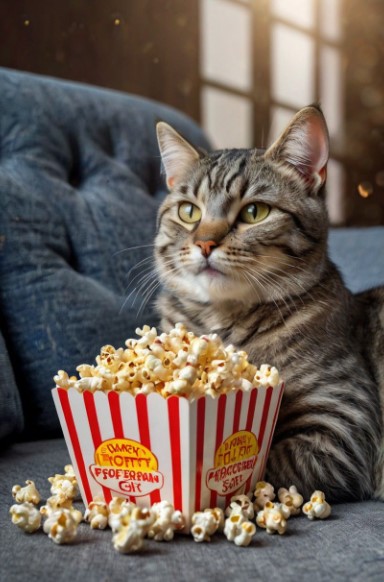
Are Cats Able to Eat Popcorn?
Plain, fully popped, air-popped popcorn without any butter, oil, salt, sugar, or seasonings is generally considered non-toxic to cats. It does not appear on lists of poisonous foods maintained by organizations such as the ASPCA. A healthy adult cat that eats one or two plain kernels is unlikely to suffer serious harm in most cases.
However, “non-toxic” is not the same as “recommended” or “healthy.” Popcorn is essentially empty calories for a cat. It provides negligible protein, no taurine, and carbohydrates that cats digest poorly compared with animal-based nutrients. Because cats have no dietary requirement for popcorn or similar grain-based snacks, there is little reason to offer it intentionally.
Why Popcorn Is Not a Good Treat for Cats
Cats evolved as strict carnivores. Their digestive systems, teeth, and metabolism are optimized for meat. Plant-based foods, including corn, are secondary at best and often difficult to process efficiently. Popcorn falls into this category:
- It is high in carbohydrates and fiber relative to a cat’s needs.
- It lacks the essential amino acids, fatty acids, and vitamins that cats must obtain from animal sources.
- Any calories it contributes displace more appropriate nutrition if offered regularly.
In short, popcorn does nothing positive for a cat’s health and introduces unnecessary risks.
Major Risks of Feeding Popcorn to Cats
Choking and dental hazards Fully popped popcorn is light and airy, but it can still be inhaled or lodge in the throat, especially in smaller cats or enthusiastic eaters. Unpopped or partially popped kernels are significantly more dangerous. They are hard, sharp, and capable of cracking teeth, becoming stuck in the gums, or causing choking or intestinal obstruction if swallowed.
Digestive upset Even plain popcorn can cause vomiting, diarrhea, gas, or abdominal discomfort if a cat eats more than a tiny amount. The fiber and starch are not ideal for a carnivore’s short digestive tract.
Butter, oil, and fat Buttered or oil-popped popcorn is rich and can trigger gastrointestinal upset or, in sensitive cats, contribute to pancreatitis. Cats do not handle large amounts of dietary fat from non-meat sources well.
Salt and sodium Cats are more sensitive to sodium than humans. Salted popcorn can lead to excessive thirst, increased urination, and in larger quantities, sodium ion imbalances.
Seasonings and flavorings Many commercial and movie-theater popcorns contain onion powder, garlic powder, or other seasonings that are toxic to cats. Caramel, chocolate, cheese powders, and artificial flavorings add sugar, fat, or potential toxins and should never be offered.
Microwave and pre-packaged popcorn These products almost always contain oils, salt, artificial flavors, or chemical coatings that make them unsuitable.
Aspiration risk The light, irregular shape of popcorn pieces increases the chance that a cat could inhale a fragment into the airway, which is a medical emergency.
Plain vs. Flavored Popcorn: Clear Distinctions
| Type of Popcorn | Safe for Cats? | Main Concerns |
|---|---|---|
| Plain air-popped, fully popped | Tiny amounts only | Choking, empty calories, possible GI upset |
| Unpopped or half-popped kernels | No | Choking, dental damage, obstruction |
| Buttered or oily | No | Fat-related digestive issues |
| Salted | No | Sodium overload |
| Caramel, cheese, or sweet | No | Sugar, fat, potential toxins |
| Seasoned (onion/garlic) | No | Toxicity |
| Microwave / movie theater | No | Multiple additives |
Only the first category has any margin of safety, and even then it is minimal.
How Much Popcorn Can a Cat Have?
The most accurate answer is “as little as possible, and preferably none.” If a cat manages to steal one or two fully popped, plain kernels, the risk is low for a healthy adult. Intentionally offering popcorn is unnecessary. If you choose to allow a taste under supervision, limit it to one or two small pieces on rare occasions and never make it a regular habit. Treats of any kind should stay well under 10% of daily calories; popcorn should represent far less than that.
Kittens, senior cats, cats with dental disease, digestive sensitivities, or any chronic health condition should not be given popcorn at all.
What to Do If Your Cat Eats Popcorn
One or two plain pieces Monitor for coughing, gagging, vomiting, lethargy, or changes in appetite or stool. In the vast majority of cases nothing further is required.
Unpopped kernels, large quantities, or flavored popcorn Contact your veterinarian or a pet poison hotline for guidance. Be prepared to describe the type and approximate amount eaten. Watch closely for signs of choking, distress, or gastrointestinal upset.
Signs that require immediate veterinary attention Difficulty breathing, persistent coughing or gagging, repeated vomiting, abdominal pain, lethargy, or refusal to eat.
Safer Alternatives to Popcorn
Cats benefit far more from species-appropriate treats:
- Small pieces of cooked plain chicken, turkey, or fish (no bones, skin, or seasoning)
- Commercial cat treats formulated for feline nutrition
- Freeze-dried meat treats
- A tiny amount of plain canned pumpkin (for fiber, if recommended by a vet)
- Interactive play and food puzzles that satisfy hunting instincts without empty calories
These options provide better nutrition and lower risk.
Practical Tips for Popcorn-Loving Households
- Pop plain popcorn and keep the bowl elevated or covered.
- Clean up stray kernels promptly, especially unpopped ones.
- Never share seasoned or buttered popcorn.
- Teach children not to feed the cat from the snack bowl.
- If your cat is highly food-motivated, distract with a toy or appropriate treat during movie time.
Special Situations
Multi-cat homes One cat may tolerate a stray piece while another has a sensitive stomach. Supervise and clean thoroughly.
Cats with weight issues Empty calories are especially unhelpful. Stick to measured, low-calorie commercial treats if needed.
Cats with dental problems Hard kernels are particularly risky. Avoid entirely.
Frequently Asked Questions
Is popcorn toxic to cats? Plain air-popped popcorn is not toxic, but flavored or seasoned varieties can contain harmful ingredients.
Can cats eat buttered popcorn? No. The fat and salt make it unsuitable and potentially upsetting to the digestive system.
What about popcorn kernels? Unpopped or partially popped kernels are a choking and dental hazard and should be kept away from cats.
Can kittens have popcorn? No. Kittens have more sensitive digestive systems and higher nutritional needs; popcorn offers nothing beneficial and adds risk.
My cat ate a piece of movie-theater popcorn. What should I do? Monitor closely and contact your veterinarian if the popcorn was heavily buttered, salted, or seasoned, or if any symptoms appear.
Is air-popped popcorn better than microwave popcorn? Yes, because it lacks the oils, salts, and chemical coatings common in microwave varieties. Even air-popped should be given only in tiny amounts if at all.
Does popcorn help with hairballs or digestion? No. There is no evidence that popcorn benefits feline digestion or hairball control. Dedicated hairball remedies and proper grooming are far more effective.
Can popcorn cause long-term health problems? Occasional tiny amounts of plain popcorn are unlikely to cause lasting issues. Regular feeding of any non-species-appropriate food can contribute to nutritional imbalance or obesity over time.
Are there any benefits to giving cats popcorn? No meaningful nutritional benefits exist for cats.
What is the safest way to let a cat “try” popcorn? The safest approach is not to offer it. If a single plain piece is taken accidentally, simply monitor the cat.
Conclusion
Cats can technically eat a very small amount of plain, fully popped, air-popped popcorn without it being toxic, but that does not make it a suitable or recommended treat. Popcorn provides empty calories, carries choking risks (especially from kernels), and is almost always prepared with ingredients that are harmful or inappropriate for cats. As obligate carnivores, cats thrive on animal-based nutrition; grain-based snacks like popcorn add nothing of value and introduce avoidable hazards.
The best practice is to keep popcorn away from cats entirely. Clean up stray pieces promptly, never share seasoned or buttered varieties, and direct your cat’s interest toward safer, more appropriate treats and interactive play. If your cat manages to snatch one or two plain kernels, the risk is usually low—simply observe for any signs of trouble. For intentional treats, choose options designed for feline health and enjoyment.
When questions arise about human foods and cats, the safest default is caution. A moment of shared movie-time curiosity is not worth digestive upset, a choking incident, or the gradual displacement of proper nutrition. Keep the popcorn for yourself and give your cat the meat-based diet and enrichment that truly support a long, healthy life. In the end, the kindest answer to “Can cats have popcorn?” is that they can do without it—and they will be better off for it.