
Cats are obligate carnivores. Their bodies are designed to thrive on a diet based primarily on animal protein, with very little need for plant material. Still, many curious cats show interest in what their owners are eating, and broccoli often ends up on the list of human foods pet parents wonder about. The good news is that broccoli is not toxic to cats. In small amounts, plain broccoli is generally safe. However, “safe” does not mean “necessary” or “beneficial as a regular food.”
This comprehensive guide explains everything cat owners need to know about broccoli: whether it is truly safe, any potential nutritional upsides, the risks of overfeeding or improper preparation, how to serve it correctly, appropriate portion sizes, and which cats should avoid it. You will also find practical tips, clear guidelines, and answers to the most common questions. By the end, you will be able to decide whether a tiny taste of broccoli is a reasonable occasional treat for your cat—or whether it is better left off the menu entirely.
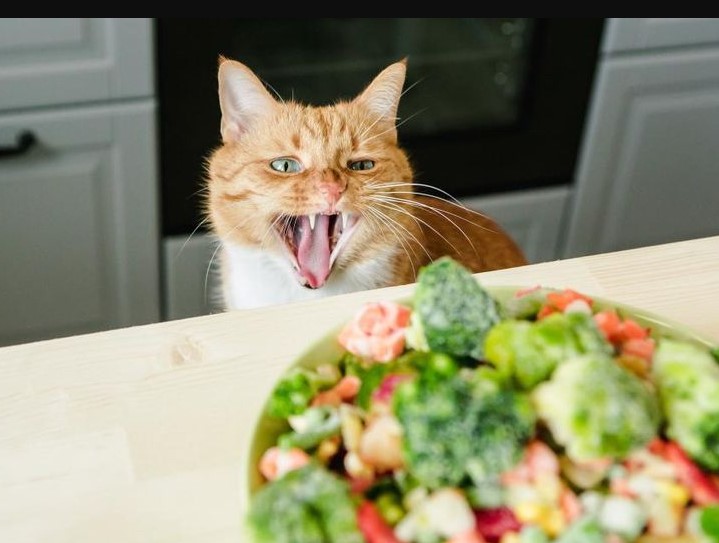
Are Cats Able to Eat Broccoli?
Yes. Broccoli is considered non-toxic to cats by major veterinary and poison-control resources, including the ASPCA. It does not appear on lists of poisonous plants or toxic human foods for felines. When prepared plainly and offered in very small quantities, most healthy adult cats can eat a bit of broccoli without harm.
That said, cats have no biological requirement for broccoli or any other vegetable. Their digestive systems are optimized for meat. Plant matter is harder for them to break down and provides limited usable nutrition compared with a complete and balanced cat food. Broccoli should never replace any part of a cat’s regular diet and should remain an occasional, tiny treat at most.
Nutritional Profile of Broccoli and Relevance to Cats
Broccoli is low in calories and contains fiber, vitamin C, vitamin K, vitamin A precursors, folate, and various antioxidants and phytochemicals (including glucosinolates and isothiocyanates). In humans these compounds are associated with health benefits. In cats the picture is different.
Cats synthesize vitamin C in their bodies and have limited ability to convert plant beta-carotene into active vitamin A. They also have short digestive tracts and lack certain enzymes that help herbivores and omnivores process plant material efficiently. As a result, the nutritional contribution of a few small pieces of broccoli is minimal. The fiber may offer a slight digestive benefit for some cats, and the low calorie count means it will not significantly impact weight when fed sparingly. Beyond that, broccoli does not supply the amino acids (especially taurine), arachidonic acid, or other nutrients cats must obtain from animal sources.
In short, broccoli is nutritionally optional for cats. Any benefits are secondary and modest.
Potential Benefits of Broccoli for Cats
When offered correctly, broccoli may provide:
- A low-calorie treat option for cats that enjoy the texture or taste.
- A small amount of fiber that can support digestive regularity in some individuals.
- Hydration support, since cooked broccoli contains water.
- Mental enrichment for curious cats that like to sample new foods.
- A possible distraction from chewing houseplants (though this is not a reliable solution).
These advantages are minor. A high-quality commercial cat food already meets a cat’s nutritional needs. Broccoli is best viewed as an occasional novelty rather than a health supplement.
Risks and Downsides
Even though broccoli is non-toxic, several risks exist:
Gastrointestinal upset Too much broccoli can cause gas, bloating, vomiting, diarrhea, or abdominal discomfort. Cruciferous vegetables contain compounds that can be difficult for a carnivore’s digestive system to handle in quantity.
Choking and obstruction hazard Large florets or tough stems can pose a choking risk or, in rare cases, contribute to gastrointestinal blockage, especially in smaller cats.
Seasonings and additives Butter, oil, salt, garlic, onion, sauces, or any seasoning can turn a safe vegetable into a problem. Garlic and onion are toxic to cats; fats can trigger digestive upset or pancreatitis in sensitive individuals.
Raw vs. cooked Raw broccoli is harder to chew and digest and may increase the chance of stomach discomfort. Lightly cooked (steamed or boiled) broccoli is generally easier on the digestive system.
Individual sensitivity Some cats simply do not tolerate plant material well. Any new food should be introduced carefully and discontinued at the first sign of digestive trouble.
Displacement of proper nutrition If treats (including broccoli) exceed about 10% of daily calories, they can unbalance the diet over time.
How to Prepare Broccoli Safely for Cats
Follow these guidelines:
- Use fresh broccoli. Wash it thoroughly.
- Offer only the floret or tender upper stem—avoid thick, fibrous stalks.
- Cook it plainly by steaming or boiling until soft. Do not add salt, oil, butter, spices, garlic, or onion.
- Cool completely.
- Chop into very small, bite-sized pieces (roughly the size of a pea or smaller) to reduce choking risk.
- Serve a tiny amount on its own or mixed into regular food.
- Start with a piece no larger than a fingernail and monitor your cat for 24 hours.
Never feed broccoli from a prepared human dish that contains other ingredients.
How Much Broccoli Can a Cat Eat?
Treats of any kind should make up no more than 10% of a cat’s daily caloric intake. For broccoli specifically, even smaller amounts are advisable because of its fiber and potential to cause gas.
A practical guideline for a healthy adult cat is one or two small, pea-sized pieces once or twice a week at most. Many cats will show little interest after the first taste. If your cat enjoys it and tolerates it well, you may continue occasionally. If any digestive upset occurs, stop offering broccoli.
Kittens, senior cats, and cats with sensitive stomachs or medical conditions should only receive broccoli under veterinary guidance—if at all.
Special Considerations for Different Cats
Kittens Their digestive systems are still developing and their nutritional needs are precise. Stick to a complete kitten food and avoid unnecessary treats unless approved by a veterinarian.
Senior cats Older cats may have reduced digestive efficiency or underlying conditions. Introduce any new food with extra caution.
Cats with gastrointestinal disease Cats prone to vomiting, diarrhea, inflammatory bowel disease, or food sensitivities should generally avoid novel plant foods.
Cats with urinary or kidney issues While broccoli is not high in problematic minerals in tiny amounts, always check with your veterinarian before adding anything new.
Overweight cats The low calorie content makes a tiny piece of broccoli a better choice than many commercial treats, but it must still fit within the overall calorie budget.
Broccoli Compared with Other Vegetables
Some vegetables are safer or more commonly offered than others. Cucumber, zucchini, and small amounts of plain cooked pumpkin or carrot are also generally considered non-toxic in moderation. Onions, garlic, chives, leeks, and anything from the Allium family are toxic and must be avoided. Always research individual foods and prioritize meat-based nutrition.
Practical Tips for Cat Owners
- Observe your cat’s reaction the first few times.
- Keep portions extremely small.
- Never force a cat to eat broccoli; many will simply ignore it.
- Store any prepared broccoli in the refrigerator and discard after a day or two.
- Focus the majority of treats on species-appropriate options (commercial cat treats, small pieces of cooked meat, etc.).
- Consult your veterinarian before making any dietary changes, especially if your cat has health issues.
Frequently Asked Questions
Is broccoli toxic to cats? No. Plain broccoli is non-toxic. The main concerns are digestive upset from overfeeding and harmful additives.
Can cats eat raw broccoli? It is safer to offer lightly cooked broccoli. Raw pieces are harder to digest and present a greater choking risk.
Can cats eat broccoli stems? Tender upper stems that have been cooked and finely chopped are acceptable in tiny amounts. Thick, fibrous stems should be avoided.
How often can I give my cat broccoli? At most once or twice a week, and only in very small quantities. Many cats do fine with even less.
What if my cat eats a large amount of broccoli? Monitor for vomiting, diarrhea, lethargy, or signs of discomfort. Contact your veterinarian if symptoms are severe or persistent. In most cases of modest overeating, mild gastrointestinal upset is the expected outcome.
Can broccoli help with hairballs or digestion? The fiber may offer mild support for some cats, but it is not a reliable or primary solution. Dedicated hairball remedies and proper grooming are more effective.
Is broccoli good for cats with weight problems? A tiny piece is low-calorie, but it should not replace balanced cat food or be used as a primary weight-management tool.
Can kittens eat broccoli? It is best avoided or offered only with veterinary approval. Kittens need nutrient-dense, complete kitten diets.
Does broccoli provide any real health benefits for cats? Any benefits are minimal because cats are obligate carnivores and utilize plant nutrients poorly. A complete cat food already supplies what they need.
Should I put broccoli in my cat’s regular food? Only as an occasional tiny mix-in if your cat enjoys it and tolerates it. It should never form a meaningful portion of the diet.
Conclusion
Cats can safely eat small amounts of plain, properly prepared broccoli. It is non-toxic and poses little risk when limited to occasional, bite-sized portions. At the same time, broccoli is not an essential or particularly valuable food for cats. As obligate carnivores, they derive far more nutrition from high-quality animal-based cat food than from any vegetable.
The decision to offer broccoli should be guided by your individual cat’s interest and tolerance. Many cats will sniff and walk away; others may enjoy a rare nibble. If you choose to share, cook it plainly, cut it into tiny pieces, start with a minuscule amount, and watch for any digestive reaction. Keep the focus on a balanced, meat-based diet and use broccoli—if at all—as a minor, infrequent novelty.
When in doubt, consult your veterinarian. They can provide personalized advice based on your cat’s age, health status, and dietary needs. With a cautious and informed approach, you can satisfy a curious cat’s interest in your food while keeping their nutrition and well-being firmly on track. A tiny taste of broccoli will not transform your cat’s health, but offered correctly, it is unlikely to do any harm—and that is the most important standard of all.