
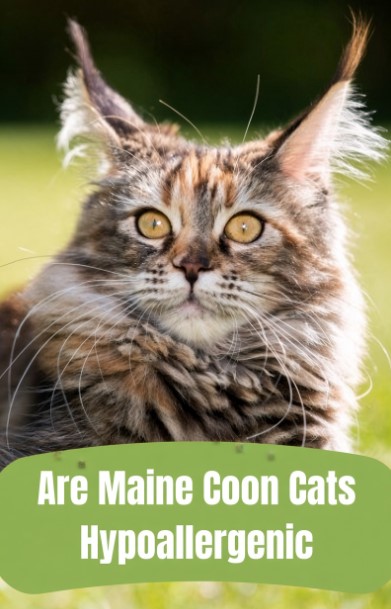
Maine Coons are one of the most popular and recognizable cat breeds in the world. Their large size, tufted ears, bushy tails, and friendly, dog-like personalities make them highly desirable family pets. A common question from prospective owners, especially those who suffer from allergies, is whether Maine Coons are hypoallergenic. The short and definitive answer is no. Maine Coons are not hypoallergenic, and no domestic cat breed is completely free of allergens.
This comprehensive guide explains exactly why Maine Coons are not hypoallergenic, the science of cat allergies, how their coat and grooming habits affect allergen distribution, factors that can influence individual reactions, practical strategies for living with a Maine Coon if you have mild allergies, and alternatives for people who need lower-allergen options. Understanding these facts will help you make an informed decision and avoid disappointment or health issues.
What Does “Hypoallergenic” Actually Mean?
The term “hypoallergenic” is widely misunderstood. It does not mean “allergy-free” or “will never cause a reaction.” It means “less likely to trigger allergic reactions” in sensitive people. Even cats marketed as hypoallergenic still produce allergens; they simply tend to produce lower levels of the primary culprit or shed less dander into the environment.
No cat is 100% allergen-free. Claims that any breed is completely safe for all allergy sufferers are inaccurate and potentially harmful.
The Science of Cat Allergies: It’s Not the Fur
Most people with cat allergies react to a protein called Fel d 1. This protein is produced primarily in the sebaceous glands of the skin and in the saliva. When cats groom themselves, they spread saliva (and therefore Fel d 1) onto their fur. As the fur dries and the cat sheds, microscopic particles of dander coated with Fel d 1 become airborne and settle on surfaces throughout the home.
Additional allergens such as Fel d 4 (found in saliva) also contribute in some people, but Fel d 1 is responsible for the majority of reactions—estimates range from 80% to 95% of cat-allergic individuals.
Because the allergen is in the skin secretions and saliva rather than the hair itself, even hairless breeds produce Fel d 1. Long-haired breeds like the Maine Coon can actually distribute more allergen into the environment because their abundant coat holds more saliva-coated hair that is eventually shed.
Why Maine Coons Are Not Hypoallergenic
Maine Coons produce typical levels of Fel d 1. They do not have a genetic mutation or physiological trait that significantly reduces allergen production the way some other breeds are claimed to. Several characteristics of the breed can actually increase environmental allergen load:
- Long, dense double coat — The thick fur traps saliva and dander. When the cat sheds (which Maine Coons do seasonally and to some degree year-round), large amounts of allergen-laden hair and dander are released.
- Regular grooming — Maine Coons are reasonably clean cats that groom themselves thoroughly, spreading saliva throughout the coat.
- Size — Larger cats have more skin surface area and produce more total dander simply due to body mass.
- Shedding volume — Their impressive coat means more hair ends up on floors, furniture, and clothing.
Some individual allergy sufferers report milder reactions to Maine Coons than to other cats. This is highly variable and may relate to the specific cat’s Fel d 1 production level (which differs between individuals), sex and neuter status, or simply lower overall dander in a particular household. It is not a reliable breed-wide trait.
Factors That Influence Allergen Levels in Any Cat
Even though Maine Coons are not low-allergen by nature, certain factors affect how much Fel d 1 a given cat produces or spreads:
- Sex and reproductive status — Intact males generally produce the highest levels of Fel d 1. Neutered males and females tend to produce less. Spaying or neutering can reduce allergen output.
- Individual variation — Allergen production varies significantly from cat to cat, even within the same breed and household.
- Grooming and bathing — Regular bathing (with cat-safe products) or wiping with allergen-reducing wipes can temporarily lower the amount of Fel d 1 on the coat.
- Environment and cleaning — Homes with hard floors, frequent vacuuming with HEPA filters, and good ventilation have lower airborne allergen levels than carpeted, poorly cleaned spaces.
These factors can help mild allergy sufferers coexist with a Maine Coon, but they do not make the breed hypoallergenic.
Living with a Maine Coon If You Have Allergies
If your allergies are mild and you are determined to share your home with a Maine Coon, the following strategies can reduce symptoms for many people:
Environmental controls
- Use high-efficiency particulate air (HEPA) filters in bedrooms and main living areas.
- Vacuum frequently with a HEPA-filter vacuum.
- Choose hard flooring over carpet where possible.
- Wash bedding, curtains, and throw blankets regularly in hot water.
- Keep the cat out of the bedroom if nighttime symptoms are problematic.
- Use allergen-impermeable covers on mattresses and pillows.
Cat-focused measures
- Brush the Maine Coon regularly (ideally by a non-allergic household member) to remove loose hair and dander before it spreads.
- Bathe the cat periodically with a veterinarian-approved shampoo designed to reduce allergens.
- Wipe the coat with pet-safe allergen-reducing wipes between baths.
- Feed a high-quality diet that supports skin and coat health; some owners report modest improvements with certain diets, though evidence is limited.
Personal habits
- Wash hands after petting the cat.
- Avoid touching your face after contact.
- Change clothes after extended close contact if symptoms are triggered.
- Consider over-the-counter or prescription antihistamines, nasal corticosteroids, or other medications under medical guidance.
- Allergy immunotherapy (allergy shots or tablets) can significantly reduce sensitivity for many people over time.
Always spend substantial time with the specific cat you are considering before bringing it home. Reactions are individual, and a short visit is not enough to judge long-term tolerance.
Breeds Often Suggested as Lower-Allergen Alternatives
While no cat is truly hypoallergenic, some breeds are frequently recommended for allergy sufferers because they tend to produce less Fel d 1 or shed less dander:
- Siberian — Often cited for lower Fel d 1 levels in some lines; similar large, longhaired appearance to the Maine Coon.
- Balinese — Longhaired but reported by some to be better tolerated.
- Russian Blue — Short dense coat; many allergy sufferers report milder reactions.
- Sphynx — Hairless, so less hair to distribute allergens, though skin still produces Fel d 1.
- Cornish Rex and Devon Rex — Short, wavy coats that may shed less.
- Oriental and Siamese types — Some people tolerate them better.
Even with these breeds, individual testing is essential. A cat that works for one allergic person may not work for another.
The Importance of Realistic Expectations
Marketing language and well-meaning anecdotes sometimes create false hope that Maine Coons are “safe” for allergy sufferers. The reality is that most people with moderate to severe cat allergies will react to a Maine Coon. Choosing the breed solely because of its looks or personality while ignoring allergy severity can lead to heartbreak—either for the owner who must rehome the cat or for the cat that loses its home.
If allergies are a significant concern, consult an allergist before acquiring any cat. Skin or blood testing can confirm sensitivity, and the doctor can discuss management options, including immunotherapy.
Maine Coon Care Beyond Allergies
Even if allergies are not an issue, prospective owners should understand the breed’s needs: substantial space for a large cat, regular grooming to prevent mats, potential hereditary health concerns (hypertrophic cardiomyopathy, hip dysplasia, spinal muscular atrophy—responsible breeders test for these), and a friendly but active personality that benefits from interaction and play. These factors matter regardless of allergen status.
Frequently Asked Questions
Are Maine Coons hypoallergenic? No. They produce typical levels of the Fel d 1 allergen and are not considered a hypoallergenic breed.
Do Maine Coons produce less Fel d 1 than other cats? There is no strong scientific evidence that the breed as a whole produces significantly less Fel d 1. Individual cats vary.
Can someone with cat allergies live with a Maine Coon? Some people with mild allergies manage successfully with rigorous environmental controls, grooming, and medication. Those with moderate to severe allergies often cannot.
Does the long hair make allergies worse? The long coat can hold and distribute more allergen-laden hair and dander, which may increase environmental exposure compared with short-haired cats.
Are female Maine Coons better for allergy sufferers? Females and neutered males generally produce less Fel d 1 than intact males, so they may be slightly preferable, but they are still not hypoallergenic.
Will bathing a Maine Coon reduce allergens? Yes, temporary reduction is possible. The effect lasts only a few days, so regular bathing or wiping is needed for ongoing benefit.
What is the best way to test tolerance before getting a Maine Coon? Spend several hours on multiple occasions with the specific cat in a home environment, ideally in the space where the cat would live.
Are there truly hypoallergenic cats? No breed is completely allergen-free. Some produce lower levels or shed less, but individual reactions vary widely.
Does diet affect allergen production? Some commercial diets and supplements claim to reduce Fel d 1, but evidence is limited and results are inconsistent.
Should I get a Maine Coon if I have asthma triggered by cats? Generally no, unless an allergist confirms it is manageable. Respiratory reactions can be serious.
Conclusion
Maine Coons are magnificent cats—large, affectionate, intelligent, and striking in appearance—but they are not hypoallergenic. Like all domestic cats, they produce Fel d 1, the primary allergen responsible for most human reactions to cats. Their long, dense coats can further distribute that allergen throughout the home.
For people with mild allergies who are willing to invest in thorough cleaning, air filtration, regular grooming, and possibly medication or immunotherapy, living with a Maine Coon may be possible. For those with moderate to severe allergies, the breed is usually a poor choice. In every case, realistic expectations and professional medical advice are essential.
If you love the look and personality of the Maine Coon but allergies are a barrier, explore lower-allergen breeds, spend time with individual cats, and consider whether the necessary management strategies fit your lifestyle. The goal is a healthy, happy home for both people and pets. Choosing a cat that matches your health needs from the start prevents difficult decisions later and gives the animal the stable, loving home it deserves. Maine Coons make wonderful companions for the right households—just not for every allergic one.