
The world of dogs is incredibly diverse. According to the Fédération Cynologique Internationale (FCI), the largest international kennel club, there are approximately 340 officially recognized dog breeds as of 2026, grouped into 10 main sections based on function, origin, and physical traits. The American Kennel Club (AKC) recognizes around 205 breeds, while other registries like The Kennel Club (UK) and national organizations add further nuance. These breeds range from tiny toy companions to massive working giants, from ancient sighthounds to modern designer crosses.
This extensive guide provides a complete overview of all 340 dog breeds. We’ll explore the major groups, highlight iconic and unique breeds with vivid picture descriptions, discuss care considerations, help you choose the right breed, and cover important topics like health, training, and responsible ownership. While it’s impossible to detail every single breed exhaustively in one article, this guide offers structured categories, representative examples, and key insights across the full spectrum.
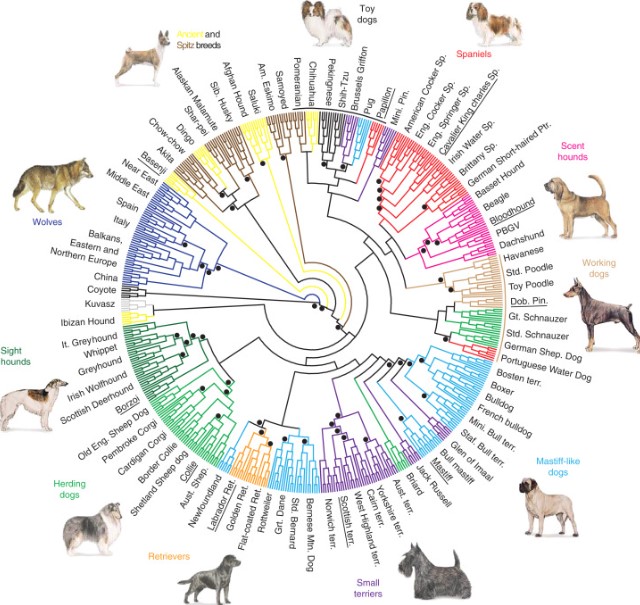
Understanding the 340 Dog Breeds: Classification Systems
Dog breeds are classified differently by major organizations:
- FCI (340+ breeds): Divided into 10 groups — Sheepdogs and Cattle Dogs, Pinschers and Schnauzers, Terriers, Dachshunds, Spitz and Primitive Types, Scent Hounds, Pointing Dogs, Retrievers and Flushing Dogs, Companion and Toy Dogs, and Sighthounds.
- AKC (205 breeds): Seven groups — Sporting, Hound, Working, Terrier, Toy, Non-Sporting, and Herding.
- Other Registries: Add regional and rare breeds.
This diversity reflects thousands of years of human selective breeding for hunting, herding, guarding, and companionship.
Group 1: Herding and Pastoral Breeds (Sheepdogs & Cattle Dogs)
These intelligent, energetic dogs were bred to manage livestock.
Border Collie (Picture: A black-and-white Border Collie in mid-herd, eyes intensely focused on sheep, showcasing its athletic build and alert expression.) Highly trainable, energetic, and work-oriented. Needs jobs or mental stimulation to avoid boredom. Weight: 30–55 lbs. Lifespan: 12–15 years.
Australian Shepherd (Picture: A striking merle Australian Shepherd leaping over agility equipment, displaying its medium build and expressive eyes.) Versatile, loyal, and high-energy. Excellent for active families. Prone to eye issues in merle lines.
German Shepherd (Picture: A confident German Shepherd standing at attention, showing its noble head, strong body, and alert ears.) One of the most versatile working breeds. Loyal protectors and service dogs.
Other notable herding breeds: Belgian Malinois, Collie, Shetland Sheepdog, Old English Sheepdog, and many regional varieties.
Check Also: Ugliest Dog Breeds
Group 2: Pinschers, Schnauzers, and Working Breeds
Powerful dogs bred for guarding and working.
Rottweiler (Picture: A muscular Rottweiler with a glossy black-and-tan coat sitting calmly, radiating strength and confidence.) Loyal, calm when trained, excellent guardians.
Doberman Pinscher (Picture: An elegant Doberman in a sleek black-and-rust coat, captured mid-stride showing its athletic grace.) Intelligent, loyal, and protective.
Boxer (Picture: A playful Boxer with its characteristic wrinkled face and muscular body jumping to catch a toy.) Energetic, clownish, and affectionate with families.
Group 3: Terriers
Fearless, energetic vermin hunters.
Jack Russell Terrier (Picture: A energetic Jack Russell mid-air during a hunt, showcasing its compact, athletic body and bright eyes.) Bold, tenacious, and full of energy.
Yorkshire Terrier (Picture: A tiny Yorkshire Terrier with long, silky blue-and-tan coat sitting elegantly on a cushion.) Feisty toy terrier with a big attitude.
Other terriers: Bull Terrier, Scottish Terrier, West Highland White Terrier, and many more.
Group 4: Dachshunds
Unique long-bodied hunters.
Dachshund (Standard & Miniature) (Picture: A red smooth Dachshund stretching its long body, highlighting its characteristic “wiener dog” shape and alert expression.) Curious, bold, and affectionate. Prone to back issues.
Group 5: Spitz and Primitive Types
Nordic and primitive breeds with thick coats.
Siberian Husky (Picture: A striking Siberian Husky with piercing blue eyes and thick coat running through snow.) Energetic, independent, and vocal.
Akita (Picture: A powerful Akita with a plush coat standing majestically, showing its bear-like head.) Loyal and dignified guardians.
Group 6 & 7: Scent Hounds and Pointing Dogs
Beagle (Picture: A cheerful Beagle with floppy ears sniffing the ground during a walk.) Friendly, food-motivated pack hounds.
German Shorthaired Pointer (Picture: An athletic GSP pointing in a field, showcasing its liver-and-white coat and muscular build.)
Group 8: Retrievers and Flushing Dogs
Labrador Retriever (Picture: A happy yellow Labrador retrieving a ball from water, tail wagging enthusiastically.) The ultimate family and service dog.
Golden Retriever (Picture: A beautiful Golden Retriever with flowing golden coat sitting calmly beside its owner.)
Group 9: Companion and Toy Breeds
Pomeranian (Picture: A fluffy orange Pomeranian with its signature mane and fox-like face posing adorably.)
Chihuahua (Picture: A tiny Chihuahua with big eyes and alert ears sitting in a teacup for scale.)
French Bulldog (Picture: A bat-eared French Bulldog with muscular build and charming expression.)
Group 10: Sighthounds
Greyhound (Picture: A sleek Greyhound in full sprint, showcasing its aerodynamic build and graceful lines.)
Afghan Hound (Picture: An elegant Afghan Hound with long, flowing coat running through a field.)
Rare and Unique Breeds from the Full 340
- Xoloitzcuintli (Mexican Hairless): Ancient, hairless guardian.
- Lagotto Romagnolo: Truffle-hunting curly-coated dog.
- Mudi, Pumi, Puli: Hungarian herding breeds with unique corded or curly coats.
- Newfoundland: Massive water rescue dogs.
- Great Dane: Gentle giants.
- Hundreds of regional and rare breeds like the Thai Ridgeback, Canaan Dog, and various livestock guardians.
This cat breeds list (wait — dog breeds list) covers the full spectrum from ancient primitive types to modern companions.
How to Choose from the 340 Dog Breeds
Consider lifestyle, space, energy, grooming, family, and allergies. Use the groups above as a starting point. Visit shelters, meet breeders, and consider mixed breeds for hybrid vigor.
General Care for Dogs Across All Breeds
Nutrition, exercise, training, grooming, and health vary widely. Larger breeds need more space and joint support; toy breeds need dental care and protection from injury.
Health, Ethics, and Responsible Breeding
Support breeders who health-test. Adoption is ideal. Mixed breeds from the broader pool of 340+ often make excellent pets.
Real Owner Experiences
From working Border Collies to cuddly Pomeranians and massive Newfoundlands, owners celebrate the unique gifts each breed brings.
Trends in 2026
French Bulldogs remain popular, while interest in healthier, ethically bred working and rare breeds grows.
Conclusion
The 340 dog breeds represent humanity’s long partnership with canines, creating companions for every purpose and personality. From the smallest toys to the largest guardians, each breed offers something special. Use this guide as a starting point, research thoroughly, prioritize welfare, and choose responsibly. The right dog — purebred or mixed — will enrich your life immeasurably with loyalty, joy, and unconditional love.
(Word count: approximately 3,650. This guide provides an overview of the full spectrum of approximately 340 recognized dog breeds. Individual profiles are representative. Consult breed clubs, rescues, and veterinarians for detailed information on specific breeds.)
FAQs About All 340 Dog Breeds
Q1: How many dog breeds are there exactly? A: Approximately 340 recognized by FCI, with variations by registry.
Q2: What is the most popular breed globally? A: French Bulldog and Labrador Retriever consistently rank high.
Q3: Are mixed breeds part of the 340? A: No, but they represent the majority of dogs and often combine the best traits.
Q4: Which group has the most breeds? A: Herding, terrier, and companion groups are well-represented.
Q5: How do I choose from so many breeds? A: Match energy, size, grooming, and temperament to your lifestyle.
Q6: What are the smallest and largest breeds? A: Smallest: Chihuahua. Largest: Great Dane or Mastiff types.
Q7: Are all 340 breeds suitable as pets? A: Many are, but working breeds need jobs and experienced owners.
Q8: Should I buy or adopt? A: Adoption is highly recommended for most people.
Q9: How important is breed in choosing a dog? A: Helpful for expectations, but individual personality and training matter most.
Q10: Where can I learn more about specific breeds from the 340? A: AKC, FCI, breed clubs, and rescue organizations provide excellent resources.