
Black and brown are two of the most classic and striking colors in the dog world. From solid jet-black Labrador Retrievers to rich chocolate Brown dogs, and the iconic black-and-tan patterns of Rottweilers, Dobermans, and German Shepherds, these hues appear across dozens of breeds and countless mixed-breed dogs. Coat color is determined by genetics and has no direct link to personality, intelligence, or trainability—yet it strongly influences how people perceive and choose dogs.
This comprehensive guide explores black dogs, brown (chocolate/liver) dogs, and black-and-brown patterned dogs. We cover the genetics behind these colors, popular breeds in each category, practical care considerations, common myths (including “black dog syndrome”), temperament realities, and advice for choosing and living with a black or brown dog. Whether you are drawn to the sleek elegance of a black coat, the warm richness of chocolate, or the classic contrast of black-and-tan markings, this article will help you understand what these colors mean—and what they do not.
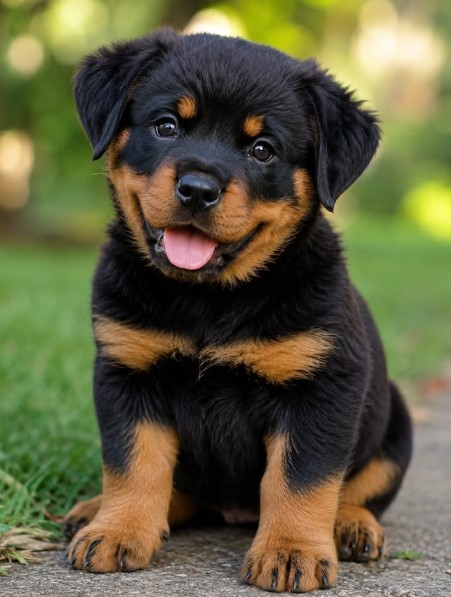
The Genetics of Black and Brown Coats
Dog coat color is controlled by several genes that regulate two main pigments:
- Eumelanin — produces black or brown (chocolate/liver) pigment.
- Phaeomelanin — produces red, tan, gold, and cream tones.
The B locus is the primary gene that determines whether eumelanin is black or brown. Dogs with at least one dominant B allele express black pigment. Dogs that inherit two recessive b alleles (b/b) express brown eumelanin instead. This changes not only the coat but also the nose, paw pads, eye rims, and often lightens the eye color to amber or hazel.
Other genes influence pattern:
- The agouti series and related genes create tan points (black-and-tan or brown-and-tan).
- Dominant black (KB) can produce solid black or solid brown coats.
- Dilution genes can turn black into blue/gray or brown into Isabella/lilac shades in some breeds.
Solid black, solid brown, and black-and-tan are therefore different genetic expressions rather than unrelated colors. A “black and brown dog” can mean a solid black dog, a solid brown dog, or a dog with both colors in a patterned coat.
Popular Black Dog Breeds
Solid black coats appear in many breeds. Some of the most recognizable include:
Labrador Retriever One of the most popular breeds worldwide. Black Labs are classic working and family dogs—friendly, outgoing, intelligent, and eager to please. They need substantial exercise and mental stimulation.
German Shepherd While sable and black-and-tan are common, solid black German Shepherds exist and are prized for their striking appearance. These are typically high-drive, loyal, and highly trainable working dogs.
Rottweiler Usually black with tan markings, but the base color is a deep black. Rottweilers are powerful, confident, and devoted to their families when properly trained and socialized.
Doberman Pinscher Iconic black-and-tan pattern, though the black is dominant. Sleek, athletic, and intensely loyal.
Newfoundland Large, gentle black dogs (also available in brown and landseer). Known for their sweet temperament and water-rescue heritage.
Schipperke Small, solid black, fox-like dogs with big personalities—alert, curious, and energetic.
Puli and other herding breeds Some herding breeds offer solid black coats with distinctive textures.
Black coats can show dust or water more readily than lighter colors and may fade slightly with sun exposure in some individuals, but they remain dramatic and elegant.
Popular Brown (Chocolate/Liver) Dog Breeds
Brown eumelanin produces the rich chocolate, liver, or red-brown shades seen in many breeds:
Chocolate Labrador Retriever The same friendly, energetic Lab temperament in a warm brown coat. Nose and pads are brown; eyes are often lighter.
Chesapeake Bay Retriever Often brown or deadgrass, these are tough, water-loving working dogs with a distinctive wavy coat.
Brown Doberman or Liver Doberman Less common than black-and-tan but recognized; the brown version has a softer overall look while retaining the breed’s athleticism and loyalty.
Field Spaniel, Sussex Spaniel, and other spaniels Several spaniel breeds feature rich liver or chocolate coats.
Weimaraner Although typically gray (dilute), the underlying genetics relate to brown eumelanin in diluted form.
Poodles, Portuguese Water Dogs, and other versatile breeds Chocolate versions appear in many non-sporting and working breeds.
Brown coats can show dirt differently than black and may require similar grooming attention. In bright sunlight some chocolate coats can take on a reddish cast.
Black-and-Tan (Black-and-Brown) Patterned Breeds
The classic black-and-tan pattern—black body with tan points on the face, chest, legs, and eyebrows—is one of the most recognized looks in dogs:
Rottweiler Black with clearly defined mahogany or rust tan markings.
Doberman Pinscher Elegant black-and-tan (or brown-and-tan, blue-and-tan, etc.).
German Shepherd Black-and-tan is a very common and traditional coloration.
Gordon Setter Black with rich chestnut or mahogany markings.
Black and Tan Coonhound A dedicated hunting breed with the pattern in its name.
Manchester Terrier, Miniature Pinscher, and other terriers Smaller versions of the black-and-tan look.
Beauceron, Briard (in some colors), and various herding breeds Several European herding and working breeds display black-and-tan or similar patterns.
This pattern is produced by the interaction of black eumelanin with tan-point genetics and is both visually striking and historically associated with many working breeds.
Does Coat Color Affect Personality?
No. Decades of observation and research show that coat color does not determine temperament, intelligence, trainability, or aggression. Personality is shaped by genetics (breed tendencies), early socialization, training, individual variation, and environment. A black Labrador is not inherently different in character from a yellow or chocolate Lab of similar breeding and upbringing. The same applies to brown dogs or black-and-tan dogs.
Any perceived differences are almost always due to breed stereotypes or confirmation bias rather than the pigment itself.
Black Dog Syndrome and Adoption Realities
“Black dog syndrome” refers to the observation, reported by some shelters, that black dogs (and sometimes black cats) take longer to be adopted than lighter-colored dogs. Proposed reasons include:
- Black dogs can be harder to photograph well in kennel lighting.
- Facial expressions may be less visible on dark faces.
- Cultural associations or simple preference for lighter colors.
Research on the phenomenon is mixed. Some studies have found longer stays for black dogs; others have found little or no effect once breed, size, age, and behavior are controlled for. Many shelters now use better photography, colored collars or bandanas, and targeted promotion to help black dogs find homes faster. Regardless of statistics, countless black dogs make outstanding pets and are frequently overlooked for superficial reasons.
Brown dogs do not face the same documented bias, though individual shelter experiences vary.
Care Considerations Related to Color
Grooming and Appearance Black coats can show dust, dandruff, or water spots more noticeably. Regular brushing helps maintain shine. Brown/chocolate coats may fade or redden slightly with heavy sun exposure in some dogs. Both colors benefit from a balanced diet that supports coat health (adequate protein, omega fatty acids).
Sun and Heat Dark coats absorb more heat. Provide shade, water, and avoid intense midday exercise in hot climates, especially for black dogs.
Photography and Visibility Black dogs can disappear against dark backgrounds or in low light. This is a minor practical point for owners who hike at dusk or want clear photos.
Allergies and Skin Coat color itself does not cause allergies or skin issues. Any dog can develop dermatological problems; color is unrelated.
Choosing a Black or Brown Dog
Focus on:
- Breed or mix characteristics (energy level, size, grooming needs, trainability)
- Individual temperament and health
- Your lifestyle and living situation
- Responsible sourcing (ethical breeders who health-test or reputable rescues/shelters)
Color should be a secondary preference. Many people discover that the right dog’s personality outweighs any initial color preference.
Living with Black and Brown Dogs
These dogs need the same fundamentals as any other: proper nutrition, veterinary care, training, socialization, exercise, and mental stimulation. Their striking coats often draw compliments on walks, which can be a pleasant bonus. In multi-dog households, color rarely affects social dynamics.
Frequently Asked Questions
Do black dogs have different personalities from brown dogs? No. Personality is not determined by coat color.
What causes a dog to be chocolate brown instead of black? Two copies of the recessive brown allele (b/b) at the B locus convert black eumelanin to brown.
Are black dogs harder to adopt? Some shelters report longer average stays for black dogs (black dog syndrome), but evidence is mixed and many black dogs are adopted quickly when well promoted.
Do black coats fade? Some black coats can develop a rusty or brownish cast with sun exposure or as the dog ages, especially if the genetic black is not intensely expressed.
Are there health differences between black and brown dogs? Not because of the color itself. Certain breeds that come in these colors have breed-specific health concerns unrelated to pigment.
Can two black dogs produce brown puppies? Yes, if both carry the recessive brown allele.
Is black-and-tan the same as black-and-brown? Yes. “Tan” refers to the phaeomelanin points, which range from light cream to deep mahogany brown.
Do brown dogs have brown noses? Yes. Dogs expressing brown eumelanin typically have brown noses, paw pads, and eye rims.
Which is more common—black or brown Labs? Black is generally the most common Labrador color, followed by yellow, then chocolate.
Should color influence my choice of dog? Only as a minor aesthetic preference. Temperament, energy level, size, and health should come first.
Conclusion
Black and brown dogs—whether solid black, rich chocolate, or classically marked black-and-tan—offer some of the most visually striking and beloved appearances in the canine world. These colors appear across working, sporting, herding, and companion breeds, from the friendly Labrador to the noble Rottweiler and the elegant Doberman.
What matters far more than pigment is the individual dog: its health, temperament, energy level, and compatibility with your life. Coat color does not dictate personality, trainability, or the quality of the bond you will share. Black dog syndrome, while sometimes observed in shelters, is not a reflection of the dogs themselves and can be overcome with good photography, advocacy, and open-minded adopters.
Whether you are drawn to the sleek power of a black coat, the warm depth of chocolate brown, or the sharp contrast of black-and-tan markings, countless wonderful dogs wear these colors. Choose thoughtfully, train kindly, provide proper care, and you will have a loyal companion whose presence enriches your life—regardless of the shade of their fur. In the end, the best dog is not defined by black or brown, but by the heart that beats beneath the coat.