
Beets are a vibrant, earthy vegetable that many people enjoy in salads, juices, and side dishes. If your dog has ever shown interest in the bright red root on your plate, you may wonder whether it is safe to share. The good news is that dogs can eat beets in moderation. They are non-toxic according to major veterinary and poison-control resources, and they even appear as an ingredient in some commercial dog foods. However, “safe” does not mean “unlimited.” Beets come with specific nutritional benefits as well as important caveats related to sugar content, oxalates, and portion size.
This comprehensive guide covers everything dog owners need to know about feeding beets: the nutritional profile, proven benefits, potential risks, proper preparation methods, recommended serving sizes, special considerations for certain health conditions, and practical tips for introducing this vegetable. By the end, you will understand when and how beets can be a healthy occasional treat and when they should be avoided.
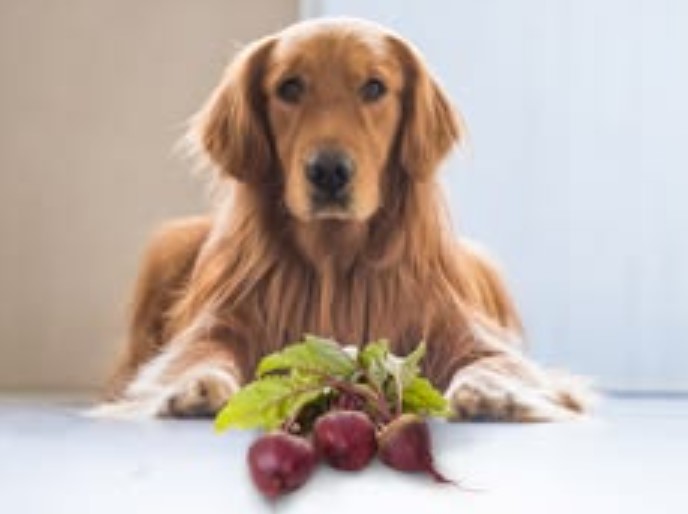
Are Beets Safe for Dogs?
Yes. The ASPCA lists beets (Beta vulgaris) as non-toxic to dogs, cats, and horses. Plain beet root is considered safe when offered in appropriate amounts. Veterinary nutrition sources, including PetMD and the American Kennel Club, confirm that dogs can eat both raw and cooked beets, although cooked beets are generally easier to digest.
Safety depends on three main factors:
- The form and preparation (plain only)
- The quantity (treat-level portions)
- The individual dog’s health history (especially urinary and metabolic conditions)
Beets should never replace a complete and balanced dog food. They are best viewed as an occasional supplemental treat or food topper.
Nutritional Benefits of Beets for Dogs
Beets provide several nutrients that can support overall health when fed appropriately:
Fiber Beets are a good source of dietary fiber, which aids digestion, promotes healthy stool, and can help regulate bowel movements. Moderate fiber is useful for dogs that need gentle digestive support.
Vitamins and Minerals Beets contain vitamin C (an antioxidant), folate (important for cell function), potassium (supports muscle and nerve function), manganese, magnesium, iron, and small amounts of other minerals. While a balanced commercial diet already supplies these, the extra micronutrients from whole foods can be a nice bonus.
Antioxidants and Anti-Inflammatory Compounds The distinctive red color of beets comes from betalain pigments. These compounds have antioxidant and anti-inflammatory properties that may support cellular health and help combat oxidative stress. The skin of the beet is particularly rich in these pigments.
Skin and Coat Support Some owners and sources note improvements in coat quality when beets are included occasionally, likely due to the combination of nutrients and antioxidants.
Because beets are relatively low in fat and contain beneficial plant compounds, they can be a healthier treat option than many processed dog biscuits—provided portions stay small.
Potential Risks and Downsides
Despite their benefits, beets are not risk-free.
High Oxalate Content Beets (both the root and especially the greens) contain oxalic acid. In susceptible dogs, high oxalate intake can contribute to the formation of calcium oxalate crystals or stones in the urinary tract. Breeds predisposed to oxalate stones (such as Miniature Schnauzers, Yorkshire Terriers, Shih Tzus, Bichon Frises, and Lhasa Apsos) and dogs with a history of urinary crystals or stones should generally avoid beets or only receive them under veterinary guidance.
Natural Sugars and Carbohydrates Beets are higher in natural sugar than many other vegetables. Excess sugar can contribute to weight gain, blood-sugar fluctuations, or stress on the pancreas. Dogs with diabetes, obesity, or a history of pancreatitis need strict portion control or may need to skip beets entirely.
Gastrointestinal Upset Beets are somewhat acidic and high in fiber. Introducing them too quickly or in large amounts can cause gas, loose stools, or stomach discomfort in sensitive dogs.
Harmless but Alarming Color Changes Red beets can turn a dog’s urine pink or red and may tint the stool. This is caused by the same pigments that color the vegetable and is usually harmless. It can, however, be mistaken for blood. If your dog has recently eaten beets and produces red-tinged urine or stool, note the timing and inform your veterinarian so unnecessary alarm is avoided. Persistent red urine without recent beet consumption requires prompt veterinary attention.
Added Ingredients in Prepared Beets Pickled beets, canned beets with added salt or sugar, beet salads containing onion or garlic, and seasoned dishes are unsafe. Onion and garlic are toxic to dogs; excess sodium can cause problems; and vinegar or spices may irritate the digestive tract.
Beet Greens (Leaves): Proceed with Extra Caution
Beet greens are edible for humans and contain nutrients, but they are higher in oxalates than the root. Many veterinary sources recommend limiting or avoiding large quantities of the greens for dogs, particularly those with urinary concerns. If you choose to offer a small amount of thoroughly washed, plain cooked greens, do so sparingly and monitor for any digestive or urinary changes.
How to Prepare Beets Safely for Dogs
Best practices:
- Choose fresh beets when possible.
- Wash thoroughly to remove dirt and pesticides.
- Peel if desired (the skin is edible but can be tougher).
- Cook by steaming, boiling, or roasting without oil, salt, butter, onion, garlic, or other seasonings. Cooking improves digestibility.
- Mash, grate, or cut into small, bite-sized pieces appropriate for your dog’s size to reduce choking risk.
- Cool completely before serving.
- Offer plain—no additives.
Raw beets are safe for most dogs but harder to chew and digest. Grating or finely chopping helps. Introduce raw forms even more slowly.
Avoid:
- Pickled beets
- Canned beets high in sodium (if used, rinse thoroughly and offer only tiny amounts)
- Beet juice (concentrated sugar)
- Any beet dish prepared with toxic ingredients (onion, garlic, chives, excessive salt, xylitol, etc.)
Recommended Portion Sizes
Treats and extras, including beets, should make up no more than 10% of a dog’s daily caloric intake. Specific starting guidelines often suggested by veterinary nutrition resources include:
- Extra-small dogs (under 10 lbs): ½–1 teaspoon
- Small dogs (10–20 lbs): 1–2 teaspoons
- Medium dogs (20–50 lbs): 1–2 tablespoons
- Large dogs (50–90 lbs): 2–4 tablespoons
- Giant breeds: up to 4–5 tablespoons
These amounts are approximate and should be adjusted based on the dog’s overall diet, activity level, and tolerance. Offer beets no more than two to three times per week. Always start with a smaller test portion and watch for 24–48 hours for any digestive upset.
Special Populations and Health Conditions
Puppies Small amounts of plain cooked beet are generally fine once a puppy is eating solid food, but the primary diet should remain a complete puppy formula. Consult your veterinarian before adding new foods.
Senior dogs Moderation is key. Monitor for any changes in stool or urinary habits.
Dogs with urinary stone history Avoid beets unless your veterinarian specifically approves them.
Diabetic or overweight dogs The natural sugar content makes beets a less ideal treat; lower-sugar vegetables are preferable.
Dogs with sensitive stomachs Introduce very gradually or skip if GI issues are common.
Dogs on prescription diets Do not add beets (or any extras) without checking with the prescribing veterinarian, as they may alter the carefully balanced nutrient profile.
Introducing Beets to Your Dog’s Diet
- Confirm with your veterinarian that beets are appropriate for your individual dog.
- Start with a very small amount of plain cooked, mashed beet mixed into regular food.
- Observe for vomiting, diarrhea, gas, or changes in appetite or energy.
- If well tolerated, you may gradually increase to the recommended portion size on an occasional basis.
- Keep a mental note of the date so you can correlate any red urine or stool with the beet meal.
Beets in Commercial Dog Food
Beet pulp (a fiber-rich byproduct of sugar-beet processing) is a common ingredient in many dog foods. It serves as a source of moderately fermentable fiber that supports digestive health. Whole beets are less common but appear in some recipes. The presence of beet-derived ingredients in commercial food does not mean unlimited fresh beets are necessary or beneficial; the processed forms are carefully measured within a complete diet.
Frequently Asked Questions
Can dogs eat raw beets? Yes, but cooked beets are easier to digest. If feeding raw, grate or finely chop them and introduce slowly.
Can dogs eat beet greens? In very small amounts they are not toxic, but they are higher in oxalates. Many experts recommend limiting or avoiding them, especially for dogs with urinary concerns.
Why did my dog’s pee turn red after eating beets? The natural pigments in red beets can color urine and stool pink or red. This is usually harmless and resolves within a day or so. Contact your vet if it persists or if there was no recent beet consumption.
How often can I give my dog beets? Two to three times per week at most, in small treat-sized portions.
Are golden or other colored beets safer? All common beet varieties are considered safe in moderation. Red beets are simply more likely to cause noticeable color changes in waste.
Can puppies eat beets? Small amounts of plain cooked beet are generally acceptable, but check with your veterinarian first.
Is beet juice safe for dogs? No. It is concentrated in sugar and not recommended.
What if my dog ate a large amount of beets? Monitor for gastrointestinal upset. Contact your veterinarian if vomiting, diarrhea, lethargy, or other concerning signs appear. For dogs with stone history, veterinary advice is especially important.
Can beets replace vegetables in a homemade diet? No. Homemade diets require careful formulation by a veterinary nutritionist. Beets should remain an occasional addition, not a staple.
Are there dogs that should never eat beets? Dogs with a history of calcium oxalate urinary stones, significant kidney disease, or those on strict prescription urinary diets should typically avoid them unless cleared by a veterinarian.
Conclusion
Dogs can safely eat beets when the vegetable is prepared plainly, served in moderation, and offered only as an occasional treat. Beets supply fiber, valuable micronutrients, and beneficial antioxidants that can support digestion, skin, and overall cellular health. At the same time, their natural sugar content and oxalate levels mean they are not appropriate as a daily food or for every dog—particularly those prone to urinary stones or metabolic issues.
The key principles are simple: keep portions small, avoid any added salt, fat, or toxic seasonings, prefer cooked over large chunks of raw beet, and consult your veterinarian if your dog has underlying health conditions. When these guidelines are followed, beets can be a colorful, nutritious, and enjoyable addition to your dog’s treat rotation.
As with any human food, individual tolerance varies. Start slowly, observe carefully, and prioritize a complete balanced diet as the foundation of your dog’s nutrition. With a thoughtful approach, you can safely share the occasional beet and give your dog a healthy, tasty variation in their routine while keeping their long-term well-being firmly in focus.