
Few combinations capture hearts quite like a small cat wrapped in a luxurious, fluffy coat. These petite, soft-furred felines combine the charm of a compact size with the irresistible appeal of long or semi-long hair that begs to be stroked. Whether you live in an apartment, prefer a lap-oriented companion, or simply adore the look of a cloud-like kitten that stays relatively small into adulthood, small fluffy cat breeds offer a special kind of companionship.
This comprehensive guide explores what makes a breed both small and fluffy, profiles the most notable examples, discusses temperament, care requirements, health considerations, and ethical acquisition, and provides practical advice for living with these delightful cats. From classic Persians to unique short-legged longhairs, the world of small fluffy breeds is full of variety and personality.
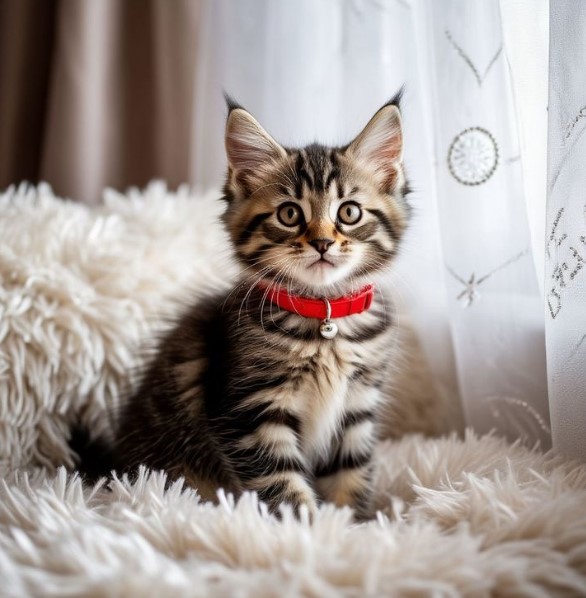
Defining “Small” and “Fluffy” in Cat Breeds
“Small” generally refers to adult cats that typically weigh under 10–12 pounds, with many falling in the 5–10 pound range. Height at the shoulder is often lower as well, especially in short-legged varieties. “Fluffy” points to medium-long to long coats, often with an undercoat that creates volume, a plumed tail, a ruff around the neck, or an overall plush appearance.
Not every longhaired breed is small (Maine Coons and Norwegian Forest Cats are large), and not every small breed is fluffy (Singapuras and many Rexes have short coats). The intersection of the two traits produces a select group of breeds and varieties that stand out for their cuddly aesthetics and manageable size.
Check Also: Very Small Cat Breeds
Persian: The Quintessential Small Fluffy Cat
The Persian remains the most iconic fluffy cat. Adults typically weigh 7–12 pounds, with a compact, cobby body, short legs, and a famously long, flowing double coat that comes in dozens of colors and patterns. The large, round eyes and short muzzle give the breed its distinctive sweet expression.
Persians are generally calm, gentle, and affectionate. They enjoy quiet households and are content as lap cats, though they still appreciate interactive play. Their luxurious coats require daily brushing to prevent mats and reduce shedding and hairballs. Facial folds need regular cleaning to avoid irritation or infection. Responsible breeders screen for polycystic kidney disease (PKD) and other breed-related concerns. With proper care, Persians often live 12–17 years or longer.
Himalayan: Colorpoint Beauty in a Fluffy Package
The Himalayan combines the Persian’s body type and long coat with the colorpoint pattern and blue eyes of the Siamese. Size is similar—usually 7–12 pounds. The contrast between the light body and darker points on the face, ears, legs, and tail creates a striking appearance, especially when framed by the full coat and ruff.
Temperament mirrors the Persian: sweet, quiet, and people-oriented. Grooming demands are equally high. Many registries treat the Himalayan as a color division of the Persian, while others recognize it separately. Health considerations are comparable, making health testing and careful selection of breeders essential.
Balinese: Elegant Longhaired Siamese
The Balinese is essentially a longhaired Siamese. These cats are fine-boned and graceful, typically weighing 5–10 pounds. Their silky, single-layer coats lack a heavy undercoat, so they shed less and mat less than double-coated longhairs, yet still appear beautifully plumed, especially the tail.
Balinese cats are vocal, intelligent, and highly social. They form strong bonds and thrive on interaction and mental stimulation. Their lower-maintenance long coat makes them an appealing option for those who want fluff without intensive daily grooming. Lifespan is often 15–20 years with good care.
Birman: The Sacred Cat of Burma with Silky Fluff
Birmans are medium-sized (commonly 7–14 pounds) with semi-long, silky single coats, white “gloves” on the paws, and striking blue eyes. The coat is less prone to matting than a Persian’s, yet still soft and full, with a noticeable ruff and bushy tail.
These cats are gentle, quiet, and devoted companions. They adapt well to family life and get along with other pets when properly introduced. Weekly brushing usually suffices. Birmans are generally robust, with average lifespans of 12–16 years.
Munchkin Longhair: Short Legs and Soft Coats
Munchkins are defined by their short legs caused by a genetic mutation. Longhaired Munchkins combine this compact stature (typically 5–9 pounds and very low to the ground) with medium to long coats in a wide variety of colors and patterns. Despite the short legs, they are surprisingly agile and playful.
Munchkins are outgoing, curious, and social. They enjoy interactive toys and often bond closely with their people. Grooming needs depend on coat length and density. The short-legged trait is controversial in some circles because of potential orthopedic concerns; responsible breeders prioritize health and mobility. Lifespan is generally 12–15 years.
Minuet (Napoleon): Persian Charm on Short Legs
The Minuet (formerly often called Napoleon) results from crossing Munchkins with Persians, Himalayans, or Exotics. The result is a small cat (usually under 9–10 pounds) with a rounded face, short legs, and a fluffy coat that can range from medium to long. They combine the sweet expression of the Persian with the compact height of the Munchkin.
These cats tend to be affectionate, playful, and adaptable. Coat care follows the length and texture of the individual. As with other short-legged and brachycephalic combinations, careful selection of breeders who health-test and avoid extremes is important.
Other Notable Small or Compact Fluffy Options
Somali – The longhaired version of the Abyssinian. Medium-small, with a full, soft coat and fox-like appearance. Active, intelligent, and affectionate.
American Curl Longhair – Medium size (5–10 pounds) with distinctive backward-curling ears and a soft semi-long coat. Playful and people-oriented.
Turkish Angora – Elegant and fine-boned, often 5–10+ pounds, with a silky single coat that appears very fluffy, especially the plume tail. Intelligent and interactive.
Toybob – One of the smallest breeds overall; some individuals have longer coats. Compact and affectionate.
Domestic longhair cats of smaller stature also provide fluffy companionship without purebred price tags or specific breed predispositions.
Temperament Trends Among Small Fluffy Breeds
Many of these breeds lean toward calm or moderately active personalities and strong people orientation. Persians and Himalayans are often quieter lap cats. Balinese and Somalis tend to be more vocal and energetic. Munchkins and Minuets are typically playful and social. Individual variation is always significant, and early socialization shapes adult behavior heavily.
Care Requirements Specific to Small Fluffy Cats
Grooming is the biggest commitment for most of these breeds. Daily brushing is ideal for Persians and Himalayans; several times a week works for many others. Regular nail trims, ear checks, and dental care remain essential. Hairless or sparse-coated cats are not part of this group, but long coats increase the risk of mats, especially in the armpits, groin, and behind the ears.
Nutrition should support a healthy weight. Small cats can gain excess weight quickly if overfed, which stresses joints—particularly relevant for short-legged varieties.
Environment benefits from soft resting spots, low or accessible climbing options for short-legged cats, and interactive play. Vertical space is still appreciated even by compact breeds.
Veterinary care includes standard wellness visits plus attention to breed-specific risks: respiratory and eye issues in flat-faced cats, potential joint or spinal concerns in dwarf breeds, and polycystic kidney disease screening in Persian-related lines.
Health Considerations and Ethical Breeding
Brachycephalic (flat-faced) breeds can experience breathing difficulties, tear overflow, and dental crowding. Short-legged breeds may have higher rates of certain orthopedic issues. Choosing breeders who perform relevant health tests, avoid extreme conformations, and provide transparent records is critical. Many experts recommend moderate examples of any breed over exaggerated features.
Adoption through breed rescues or general shelters is an excellent route and often yields wonderful small fluffy mixed-breed cats.
Living with a Small Fluffy Cat
These cats shine in homes that can meet their grooming needs and provide consistent affection. They often adapt well to apartments and quieter households. Families with gentle children and other calm pets can also succeed when introductions are managed carefully. The combination of manageable size and soft coats makes them particularly appealing as close companions.
Frequently Asked Questions
What is the smallest fluffy cat breed? Longhaired Munchkins and Minuets rank among the smallest in height due to short legs, while Balinese and some Turkish Angoras stay light and elegant. True weight rankings vary by individual.
Do small fluffy cats shed a lot? Most do, especially double-coated breeds like Persians. Single-coated longhairs such as Balinese and Birmans generally shed less and mat less.
Are small fluffy cats good for apartments? Yes. Their size and, in many cases, moderate energy levels make them well-suited to smaller living spaces, provided they receive play and enrichment.
How much grooming do they need? Persians and Himalayans need daily attention. Others may manage with several brushings per week. Regular professional grooming can help with heavy coats.
Are there health problems associated with these breeds? Some lines carry risks related to facial structure, coat care challenges, or short legs. Reputable breeders and regular veterinary care mitigate many issues.
Can I find small fluffy cats in shelters? Yes. Domestic longhairs and mixed breeds frequently appear, and breed-specific rescues exist for Persians, Himalayans, and others.
Do these cats stay small their whole lives? Most reach adult size by 1–2 years and remain compact. Large-breed genes are not present in the true small fluffy types.
Are short-legged fluffy cats healthy? Mobility is usually good in well-bred individuals, but potential orthopedic concerns exist. Research and choose carefully.
Which small fluffy breed is lowest maintenance? Balinese and Birman coats are generally easier than Persian-type double coats.
How long do small fluffy cats live? Typical ranges are 12–17 years or more, depending on genetics, care, and individual health.
Conclusion
Small fluffy cat breeds offer an enchanting blend of compact size and luxurious soft coats. From the classic elegance of the Persian and Himalayan to the silky grace of the Balinese, the gentle charm of the Birman, and the unique proportions of longhaired Munchkins and Minuets, these cats deliver both visual appeal and affectionate companionship.
Owning one requires commitment—particularly to grooming—and thoughtful selection of ethical sources that prioritize health over extreme appearance. When those responsibilities are met, the reward is a petite, plush friend that fills a home with warmth and quiet joy.
Whether you choose a purebred representative or a small domestic longhair with similar fluff and size, the combination of manageability and cuddly softness makes these cats enduring favorites. With proper care, attention to health, and plenty of gentle affection, a small fluffy cat can become one of the most delightful companions a person can share life with. The world of petite, plush felines is rich and rewarding for those ready to welcome it.