
Baking soda is a staple in most kitchens and cleaning cabinets. People use it to deodorize refrigerators, freshen carpets, clean surfaces, control litter-box odors, and even as a natural remedy for various household problems. Because it is widely regarded as non-toxic for humans, many cat owners assume it is equally harmless for their feline companions. The reality is more nuanced.
Baking soda (sodium bicarbonate) is not classified as a highly toxic poison for cats in the same way that antifreeze, certain essential oils, or lilies are. However, it can cause significant problems if ingested in more than tiny amounts. Cats’ smaller body size, constant grooming habits, and sensitive electrolyte balance make them more vulnerable than humans to the effects of excess sodium and bicarbonate.
This comprehensive guide examines whether baking soda is bad for cats. It covers the chemistry involved, how cats typically encounter it, the risks of ingestion, symptoms of toxicity, safe household practices, debates around its use in litter boxes, special considerations for cats with health conditions, and clear steps to take if exposure occurs. The goal is to help owners use this common product wisely while protecting their cats.
What Baking Soda Is and Why It Matters for Cats
Baking soda is pure sodium bicarbonate, an alkaline salt. When dissolved or ingested, it releases sodium and bicarbonate ions. In small quantities these are generally well tolerated by healthy humans. In cats, the same ions can disrupt the delicate balance of electrolytes and acid-base status in the body.
Cats maintain tight control over sodium, potassium, and pH levels. A sudden influx of sodium bicarbonate can raise blood sodium, lower potassium, and shift the body toward metabolic alkalosis (excessive alkalinity). Because cats weigh far less than people, the dose required to produce these changes is correspondingly smaller. Veterinary sources estimate that toxic effects may appear with ingestion of roughly 10–20 grams per kilogram of body weight (approximately 2–4 teaspoons per kilogram). For an average 4–5 kg (9–11 lb) cat, several teaspoons can be enough to cause concern; even smaller amounts may produce mild gastrointestinal upset.
Cats also groom themselves meticulously. Any powder that clings to their paws or fur is likely to be licked off and swallowed. This grooming behavior turns surface residues into potential internal exposure.
Check Also: Are Carnations Toxic to Cats?
Is Baking Soda Toxic to Cats?
Baking soda is not listed among the most dangerous household toxins by major poison-control resources. Small accidental exposures—such as a cat walking across a lightly dusted floor and later grooming—are unlikely to produce life-threatening illness in a healthy adult cat. However, “not highly toxic” does not mean “completely safe in all quantities or situations.”
Large ingestions can lead to:
- Electrolyte imbalances (elevated sodium, decreased potassium)
- Metabolic alkalosis
- Gastrointestinal irritation
- In severe cases, neurological and respiratory signs
Kittens, senior cats, and cats with kidney disease, heart disease, or other chronic conditions are at higher risk because their ability to regulate electrolytes and fluid balance is already compromised.
Check Also: Is Vinegar Bad for Cats?
Common Ways Cats Encounter Baking Soda
Cleaning and deodorizing Owners often sprinkle baking soda on carpets, upholstery, or floors to absorb odors, then vacuum it up. Residual powder can remain in fibers or on surfaces. Cats walking through these areas pick up particles on their paws and later ingest them while grooming.
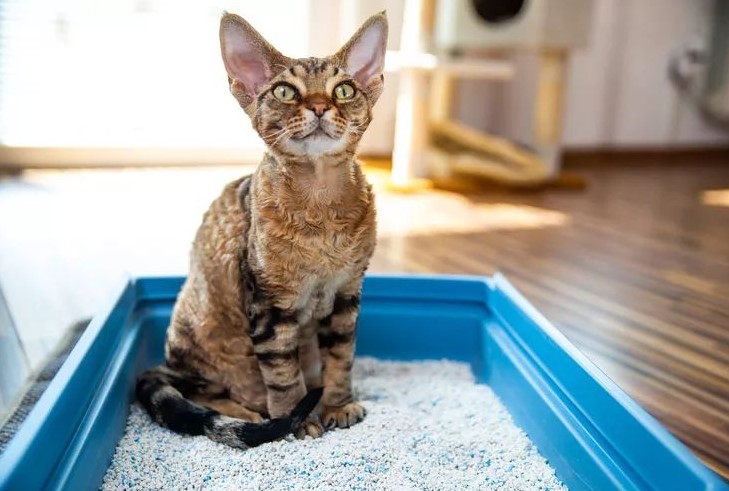
Litter boxes Baking soda is popularly recommended for neutralizing urine odors. Some commercial litters contain controlled amounts of baking soda as part of their formula. Adding loose household baking soda directly to litter is more controversial because of dust and the potential for greater ingestion.
Open containers and spills Curious cats may investigate an open box of baking soda left on a counter or floor. Although the taste is generally unappealing, some cats still sample it.
DIY remedies and flea treatments Online advice sometimes suggests applying baking soda to a cat’s fur for fleas or mixing it into food or water for various alleged health benefits. These practices are not supported by veterinary evidence and introduce unnecessary risk.
Symptoms of Baking Soda Toxicity in Cats
Symptoms usually appear within a few hours of significant ingestion. The most common early sign is vomiting. Other possible signs include:
- Diarrhea or soft stools
- Drooling or lip-smacking
- Lethargy or depression
- Abdominal discomfort
- Increased thirst and urination
- Loss of appetite
- Muscle tremors or weakness
- Incoordination
- Rapid or labored breathing
- Disorientation
- In severe cases, seizures
Any combination of these signs after known or suspected exposure warrants prompt veterinary attention. Do not wait for symptoms to worsen.
Safe Household Uses of Baking Soda Around Cats
When used carefully, baking soda can still have a place in a cat-friendly home:
- Surface cleaning: Use a diluted solution or a light sprinkle that is thoroughly vacuumed or wiped away. Rinse food-preparation areas and allow surfaces to dry completely before cats have access.
- Carpet and upholstery deodorizing: Apply sparingly, allow time to work, then vacuum thoroughly. Keep cats out of the room until residue is removed.
- Refrigerator or closed-space deodorizing: Place an open box in an area inaccessible to cats.
- Laundry: Adding a small amount to the wash is generally low-risk once clothes are rinsed and dried.
The key principles are minimal residual powder, good ventilation, and preventing direct access to bulk quantities.
Baking Soda in Cat Litter: Benefits and Risks
Many owners add baking soda to litter boxes for odor control. Opinions among veterinary sources are mixed.
Potential benefits include neutralization of acidic urine odors. Commercial litters that incorporate baking soda use measured amounts bound into the granules, reducing free powder.
Risks of adding loose household baking soda include:
- Increased dust that can irritate airways, especially in cats with asthma or respiratory sensitivity
- Greater chance of ingestion while the cat digs or grooms paws
- Possible pH changes that some experts suggest could theoretically influence ammonia production
A cautious approach is to rely first on frequent scooping, complete litter changes, and high-quality clumping or absorbent litters. If using baking soda, limit it to a thin base layer (one to two tablespoons for a standard box) under fresh litter, monitor the cat for any signs of irritation or digestive upset, and discontinue if problems appear. Cats with kidney disease, heart conditions, or a history of litter eating should avoid it.
Special Considerations for Certain Cats
Cats with chronic kidney disease have reduced ability to handle sodium and acid-base shifts; baking soda exposure is best minimized or avoided. Kittens and very small cats reach toxic thresholds more easily. Senior cats and those with heart disease or gastrointestinal disorders are also more vulnerable. When a cat has any ongoing medical condition, discuss household cleaning products with a veterinarian.
What to Do If Your Cat Ingests Baking Soda
Small exposure (a light lick or residual powder from a cleaned surface): Offer fresh water and monitor closely for vomiting, diarrhea, lethargy, or changes in thirst and appetite over the next 12–24 hours. Most healthy cats remain fine.
Larger ingestion or any concerning symptoms: Contact a veterinarian or an animal poison helpline immediately. Have an estimate of the amount and timing available. Do not induce vomiting unless specifically instructed by a professional. Treatment may include intravenous fluids to correct electrolyte imbalances, medications for nausea, and supportive care. Early intervention improves outcomes.
Keep the product packaging or a note of the amount involved to assist the veterinary team.
Alternatives for Cleaning and Odor Control
Safer or complementary options include:
- Enzymatic cleaners specifically formulated for pet urine and organic soils
- Mild dish soap and water for many surfaces
- Regular vacuuming and ventilation
- High-quality, low-dust cat litters designed for odor control
- Baking-soda-free commercial litter additives approved for pets when needed
For flea prevention, rely on veterinarian-recommended products rather than any baking-soda-based home remedy.
Practical Prevention Tips
- Store baking soda in sealed containers out of reach.
- Clean up spills promptly.
- Supervise or restrict access during carpet or upholstery treatments until residue is fully removed.
- Avoid leaving open boxes on counters or floors.
- Choose commercial litters with controlled formulations if odor control is a priority.
- Educate household members about keeping bulk powders secured.
Frequently Asked Questions
Is baking soda toxic to cats? Baking soda is not classified as a highly toxic substance, but large ingestions can cause electrolyte imbalances, metabolic alkalosis, and gastrointestinal upset. Small residual amounts are usually low-risk for healthy cats.
How much baking soda is dangerous for a cat? Toxic effects may occur around 10–20 g/kg of body weight (roughly 2–4 teaspoons per kilogram). For an average cat, several teaspoons can be problematic; smaller amounts may still cause mild symptoms.
What are the symptoms of baking soda poisoning in cats? Vomiting is often the first sign, followed by diarrhea, lethargy, increased thirst, tremors, difficulty breathing, disorientation, or seizures in severe cases.
Can I put baking soda in my cat’s litter box? Opinions vary. A thin base layer under fresh litter is used by some owners, but many veterinarians prefer to avoid loose baking soda because of dust and ingestion risk. Commercial litters containing baking soda are formulated differently and are generally considered safer.
Is it safe to clean floors or carpets with baking soda if I have cats? Yes, if the powder is thoroughly vacuumed or wiped away and surfaces are dry before cats have access. Minimize residual dust.
What should I do if my cat eats baking soda? For tiny amounts, monitor closely. For larger amounts or any symptoms, contact a veterinarian or poison control immediately. Do not induce vomiting without professional guidance.
Can baking soda be used to treat fleas on cats? No. It is ineffective as a reliable flea treatment and can irritate skin or be ingested during grooming. Use veterinary-approved preventives.
Are cats with kidney disease more at risk? Yes. Compromised kidneys handle sodium and acid-base changes less effectively. Minimize or avoid exposure.
Is baking powder the same as baking soda for cats? No. Baking powder contains additional ingredients (often cream of tartar and cornstarch or other agents) and should also be kept away from cats.
Can the smell or dust of baking soda harm cats? Inhaled dust can irritate airways, particularly in cats with respiratory sensitivity. Use in well-ventilated areas and remove residue promptly.
Conclusion
Baking soda occupies a middle ground in feline household safety. It is not among the most dangerous common substances, and careful, residue-free use for cleaning and deodorizing is generally compatible with healthy cats. At the same time, its sodium content and alkaline nature mean that significant ingestion can disrupt electrolytes and cause uncomfortable or serious symptoms. Cats’ grooming habits turn surface residues into internal exposure, and vulnerable individuals (kittens, seniors, and those with kidney or other chronic disease) face elevated risk.
The safest approach is conservative: store bulk quantities securely, remove residues thoroughly after cleaning, limit or avoid adding loose baking soda to litter boxes, and never use it as an internal remedy or flea treatment. When odor control or cleaning is needed, enzymatic pet-safe products and diligent litter-box maintenance often provide effective alternatives with fewer concerns.
By understanding both the usefulness and the limitations of baking soda, cat owners can maintain a clean home without introducing unnecessary hazards. When questions arise about any household product, a conversation with a veterinarian remains the most reliable way to protect a cat’s health. Thoughtful choices about everyday items ultimately support the comfort and well-being of the cats who share our lives.