
Not every cat lover wants a large, substantial feline. For apartment dwellers, people who prefer lighter companions, or those simply enchanted by petite proportions, very small cat breeds offer big personalities in compact packages. These cats typically weigh under 10 pounds as adults—sometimes as little as 4 pounds—and many retain a kitten-like appearance and energy throughout their lives.
The smallest recognized domestic cat breed is the Singapura, with adults often tipping the scales at just 4 to 8 pounds. Other compact breeds achieve their small stature through slender builds, short legs, or naturally petite frames. While size can be charming, it also brings specific considerations for nutrition, joint health, safety, and lifestyle matching.
This in-depth guide explores the most notable very small cat breeds, their origins, temperaments, care needs, health profiles, and what life with a tiny cat is really like. Whether you are drawn to the big-eyed Singapura, the short-legged Munchkin, the curly-coated Rexes, or other petite varieties, understanding these breeds helps ensure a happy match.
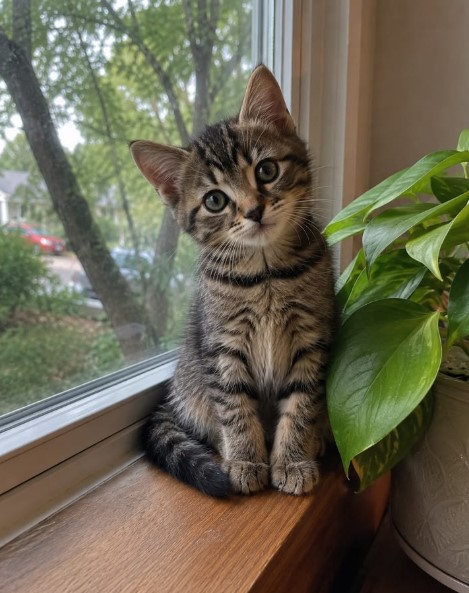
What Qualifies as a “Very Small” Cat Breed?
Average domestic cats typically weigh 8 to 12 pounds, with males often heavier. Very small breeds generally fall in the 4 to 10 pound range for adults, with heights at the shoulder often under 10–12 inches. Some achieve small size through overall proportion (Singapura), others through shortened legs (Munchkin and related), and still others through elegant, fine-boned frames (Cornish Rex, Devon Rex, certain Siamese lines).
It is important to distinguish natural small breeds from those created through dwarfism mutations or extreme breeding. Short-legged cats may look tiny but often have normal-sized bodies on shortened limbs, which can affect mobility and long-term joint health. Responsible breeding prioritizes health and soundness over ever-smaller size.
Check Also: Cat Breeds as Kittens
Singapura: The Smallest Domestic Cat Breed
The Singapura is widely recognized as the world’s smallest domestic cat breed. Adult females commonly weigh 4 to 6 pounds and males 6 to 8 pounds. They stand roughly 6 to 8 inches at the shoulder. Despite their tiny size, they are muscular and stocky rather than fragile.
Originating from Singapore (with a somewhat debated history involving “drain cats”), the breed features large eyes, oversized ears relative to the head, a ticked sepia-agouti coat (warm brown ticking on an ivory background), and a blunt-tipped tail. The coat is short and fine.
Temperament is lively, curious, affectionate, and people-oriented. Singapuras are often described as “pesky people cats” that want to be involved in everything their owners do. They are playful, intelligent, and generally good with respectful children and other pets. They can be sensitive to loud noises.
Grooming is minimal. Health is generally good, though pyruvate kinase deficiency (a red blood cell disorder) has been noted in the breed; responsible breeders test for it. Lifespan typically ranges from 11 to 15 years or more. Their small size means they mature slowly in appearance and may still look kitten-like at two years of age.
Munchkin: The Short-Legged Charmer
Munchkins are famous for their very short legs caused by a natural genetic mutation affecting long-bone growth. Height at the shoulder is often only 5 to 7 inches, while weight usually falls between 5 and 9 pounds. The body itself is typically normal-sized, creating a low-slung, elongated appearance.
They come in short- and long-haired varieties and nearly every color and pattern. Personality is playful, outgoing, confident, and social. Many retain a kitten-like enthusiasm for life and enjoy games, climbing (they can still jump surprisingly well onto low surfaces), and interaction. They generally get along with families and other pets.
The short legs are controversial. While many Munchkins live active, happy lives, the mutation can predispose some individuals to spinal curvature (lordosis), chest deformities, or earlier-onset arthritis and mobility issues. Ethical breeders avoid breeding two short-legged cats together (the homozygous form can be lethal) and focus on health. Lifespan is commonly 12 to 15 years with good care.
Cornish Rex and Devon Rex: Elegant and Lightweight
Both Rex breeds are fine-boned and lightweight, typically 6 to 10 pounds (Devon Rex sometimes on the lighter side at 5 to 9 or 10 pounds).
The Cornish Rex has a soft, wavy coat consisting mainly of the undercoat, large ears, and a slender, arched body. They are highly active, acrobatic, affectionate, and often remain playful well into adulthood. They seek warmth and human company.
The Devon Rex has a similar curly or wavy coat, but with a more “pixie” face—large low-set ears, big eyes, and a shorter muzzle. They are mischievous, dog-like in their attachment, and highly social. Both breeds shed less than average, which some allergy sufferers find helpful (though no cat is truly hypoallergenic).
These cats need regular interaction and mental stimulation. Their thin coats mean they feel the cold more and may seek sunny spots or warm laps. Health concerns can include patellar luxation (slipping kneecaps) in some lines. Lifespans often range from 11 to 15 years.
Other Notable Small and Petite Breeds
Sphynx Hairless or nearly so, Sphynx cats are muscular yet often compact, weighing 6 to 12 pounds. Their lack of fur makes them feel warmer and requires regular skin care (bathing or wiping to manage oils). They are extremely affectionate, energetic, and people-focused. They need protection from sun and cold.
American Curl Distinguished by ears that curl backward, these cats typically weigh 5 to 10 pounds. They are playful, curious, and affectionate. Both short- and long-haired varieties exist. Ear care is important due to the unique shape.
Japanese Bobtail Known for their short, pom-pom-like tails, these cats usually weigh 6 to 10 pounds. They are active, intelligent, vocal, and social. The breed has a long history in Japan and is generally hardy.
Siamese and Related Orientals While some modern Siamese can be larger, many lines remain slender and relatively small (often 6 to 10 pounds). They are highly vocal, intelligent, and demand interaction. Colorpoints develop after birth.
Toybob and Other Rare Miniatures The Toybob is sometimes cited as even smaller in some reports (around 3 to 7 pounds). Other experimental or rare crosses (Bambino = Sphynx × Munchkin, Napoleon, Dwelf, etc.) aim for extreme smallness or combined traits but often come with heightened welfare concerns and limited recognition.
Living With a Very Small Cat
Space and Safety Small cats adapt well to apartments, but they still need vertical space, scratching posts, and enrichment. Their size makes them more vulnerable to injury from larger pets, accidental falls, or being stepped on. Secure screens and careful supervision around doors and appliances are wise.
Nutrition Tiny cats have higher metabolic rates relative to body size. They need nutrient-dense food rather than large volumes. Overfeeding quickly leads to obesity, which stresses joints—especially in short-legged breeds. Measure portions and monitor body condition closely.
Exercise and Enrichment Many small breeds are surprisingly active and playful. Interactive toys, puzzle feeders, and climbing opportunities prevent boredom. Short-legged cats may prefer ground-level or low-platform play but still benefit from mental stimulation.
Grooming and Climate Short-coated small breeds are low-maintenance. Hairless or very thin-coated cats need skin care and temperature protection. All cats benefit from regular nail trims and dental attention.
Veterinary Care Choose a veterinarian familiar with the breed if possible. Discuss genetic testing results from the breeder (when available). Watch for early signs of joint discomfort in Munchkin-type cats and respiratory or dental issues in any flat-faced individuals that may appear in related lines.
Pros and Cons of Very Small Cat Breeds
Pros
- Easier to handle and lift
- Lower food costs
- Suit smaller living spaces
- Often retain playful, kitten-like energy
- Strong appeal for people who prefer petite companions
Cons
- Some (especially short-legged or extreme types) carry higher risks of orthopedic issues
- Greater vulnerability to injury
- Can be more expensive to purchase from reputable breeders
- High-energy small breeds still need substantial daily engagement
- “Teacup” marketing sometimes prioritizes extreme size over health
Ethical Considerations
Seek breeders who health-test, provide transparent histories, and prioritize temperament and soundness. Avoid anyone advertising “teacup” or ultra-tiny cats as a primary selling point without evidence of responsible practices. For short-legged breeds, understand the genetic implications and potential long-term mobility needs. Adoption through breed rescues is an excellent alternative when available.
Frequently Asked Questions
What is the absolute smallest cat breed? The Singapura is the smallest widely recognized domestic breed by weight (typically 4–8 pounds). Some rare types like the Toybob may average slightly less in certain reports. Individual mixed-breed or dwarf cats can be smaller due to health conditions, but they are not standard breeds.
Are small cat breeds healthier? Naturally small breeds such as the Singapura and Japanese Bobtail are generally robust. Breeds relying on dwarfism mutations (Munchkin and derivatives) can have elevated risks of joint and spinal issues. Overall health depends heavily on breeding practices and individual care.
Do small cats live longer? Not necessarily. Lifespan is influenced more by genetics, care, and specific breed predispositions than by size alone. Many small breeds live 12–16 years or longer with good care.
Are Munchkins in pain because of their short legs? Many live active, comfortable lives, but the mutation can predispose some to arthritis or structural problems later. Responsible ownership includes weight management and monitoring mobility.
Can small cats be left alone during the day? It depends on the individual and breed. Highly social types (Singapura, Rexes, Sphynx) often prefer company and may benefit from a feline companion. Independent individuals adapt better to alone time when properly enriched.
Are there hypoallergenic small cat breeds? No cat is fully hypoallergenic. Cornish Rex, Devon Rex, and Sphynx produce less loose hair and may cause milder reactions in some people, but results vary.
How much do very small purebred kittens cost? Prices vary widely by breed, pedigree, and location—often several hundred to a few thousand dollars from reputable breeders. Ongoing costs for food are lower, but veterinary care remains similar.
Is a small cat better for first-time owners? Many are excellent choices, especially lower-energy or adaptable ones. High-drive small breeds still require commitment to play and interaction. Match energy level and care needs to your lifestyle rather than size alone.
Conclusion
Very small cat breeds prove that size has little to do with the depth of companionship a cat can offer. From the big-eyed, curious Singapura to the playful short-legged Munchkin, the acrobatic Cornish and Devon Rexes, and other petite varieties, these cats bring energy, affection, and charm into homes of all sizes.
Their compact stature makes them practical for many living situations, yet they still need the same fundamentals every cat deserves: proper nutrition, enrichment, veterinary care, and respectful handling. When choosing a small breed, prioritize health and temperament over extreme tininess, work with ethical sources, and prepare your home for a cat that may look delicate but often behaves with bold confidence.
A very small cat can fill a home with outsized joy. With informed expectations and attentive care, these petite felines become lasting companions whose presence is felt far beyond their physical footprint. Whether you welcome a Singapura that never seems to grow up or another compact breed with its own unique traits, the reward is a devoted little friend who proves that the best things often come in the smallest packages.