
From the merry Beagle to the powerful Boxer, the brilliant Border Collie, and the gentle Bernese Mountain Dog, dog breeds that start with the letter B offer one of the richest and most varied selections in the canine world. These breeds range from tiny companions under 10 pounds to massive guardians over 150 pounds. They include scent hounds, herding dynamos, elegant sighthounds, sturdy working dogs, and affectionate family pets.
Whether you want a low-maintenance apartment dog, a high-energy partner for outdoor adventures, or a loyal family companion, there is likely a “B” breed that fits. This in-depth guide explores the most popular and notable dog breeds beginning with B. We cover origins, appearance, temperament, exercise needs, grooming, common health concerns, and suitability for different lifestyles. The goal is to help you make an informed choice if you are considering one of these outstanding dogs.
Why “B” Breeds Stand Out
The letter B is home to some of the most iconic and beloved dogs in the world. The Beagle has ranked among the top breeds in the United States for decades. The Boxer and Bulldog are instantly recognizable. The Border Collie is widely regarded as one of the most intelligent dogs on the planet. Large working breeds such as the Bernese Mountain Dog and Bouvier des Flandres bring strength and devotion, while smaller companions like the Boston Terrier and Bichon Frise excel as city pets.
These breeds reflect centuries of selective breeding for specific jobs—hunting, herding, guarding, drafting, and companionship. Understanding a breed’s original purpose remains the best way to predict its modern personality and needs.
Check Also: Dog Breeds That Start With A
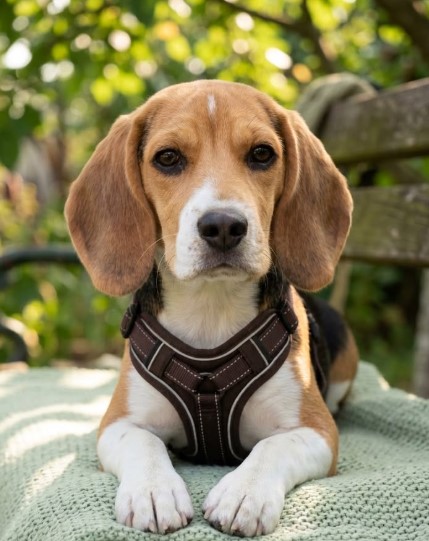
Beagle
The Beagle is a compact scent hound originally developed in England for hunting rabbits and hares in packs. Standing 13 to 15 inches tall and weighing 20 to 30 pounds, Beagles have a sturdy, muscular build, long soft ears, and a short coat that typically comes in tricolor (black, white, and tan) or other hound combinations.
Beagles are friendly, curious, merry, and highly food-motivated. They generally get along well with children and other dogs when properly socialized. Their powerful nose can lead them into trouble—they will follow a scent with single-minded determination—so secure fencing and reliable leash manners are essential. They are vocal and may bay or howl.
Exercise needs are moderate to high. Daily walks plus opportunities to sniff and explore keep them happy. Grooming is simple: weekly brushing and regular ear cleaning help prevent infections. Lifespan typically ranges from 12 to 15 years. Common health concerns include obesity, ear infections, hip dysplasia, and certain eye conditions. Beagles thrive in active families that can provide consistent training and mental stimulation.
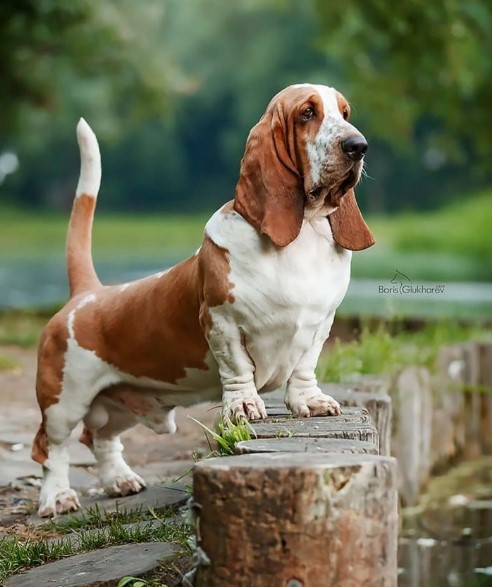
Basset Hound
The Basset Hound is instantly recognizable by its long body, short legs, heavy bone, and extraordinarily long ears. Developed in France for tracking small game, these scent hounds stand only about 14 inches tall but can weigh 40 to 65 pounds.
Bassets are mild-mannered, patient, and affectionate. They make excellent family dogs and usually get along with children and other pets. Their stubborn streak and strong tracking instinct mean training requires patience and positive methods. They are not high-energy dogs but still need daily walks to stay fit and prevent obesity.
The short coat is easy to care for, though those long ears require frequent cleaning. Lifespan averages 10 to 12 years. Health issues can include ear infections, intervertebral disc disease, obesity, and glaucoma. Bassets suit calmer households that appreciate a low-key but devoted companion.
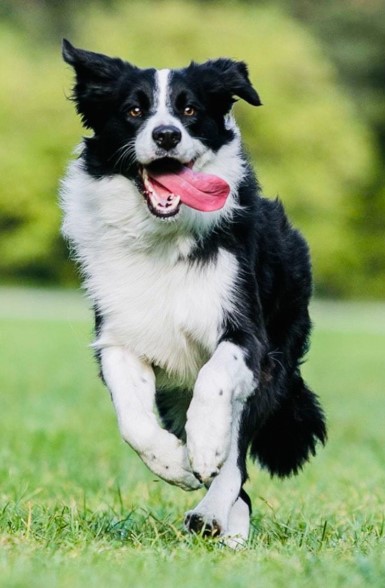
Border Collie
Often called the world’s smartest dog breed, the Border Collie was developed along the border between Scotland and England as a superior sheep-herding dog. Medium-sized (18 to 22 inches, 30 to 55 pounds), they are athletic, agile, and intensely focused, with a variety of coat lengths and colors (most commonly black and white).
Border Collies are highly intelligent, energetic, and work-driven. They form strong bonds with their handlers and excel at almost any dog sport. Without a job or substantial daily exercise and mental challenges, they can become bored and develop unwanted behaviors such as herding people or excessive barking. They need experienced owners who can provide structure, training, and activity.
Grooming needs vary with coat type but generally involve regular brushing. Lifespan is typically 12 to 15 years. Potential health concerns include hip dysplasia, progressive retinal atrophy, epilepsy, and collie eye anomaly. This breed is ideal for active people who want a true partner in work or sport.
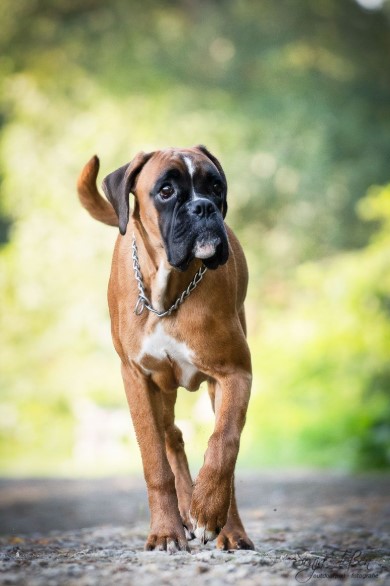
Boxer
The Boxer is a medium-to-large muscular dog developed in Germany from mastiff-type ancestors and used for hunting, guarding, and later as a companion and working dog. Standing 21 to 25 inches and weighing 50 to 80 pounds, Boxers have a distinctive square head, short muzzle, and short coat that is usually fawn or brindle, often with white markings.
Boxers are playful, energetic, loyal, and good-natured with families. They are often described as “eternal puppies” because of their high spirits and clownish behavior. They need significant daily exercise and early socialization and training. They can be protective of their home but are generally friendly when properly raised.
The short coat requires minimal grooming. Lifespan averages 10 to 12 years. Common health issues include cancer (especially in older dogs), heart conditions such as arrhythmogenic right ventricular cardiomyopathy, hip dysplasia, and thyroid problems. Boxers thrive with active families that can match their energy and provide consistent leadership.
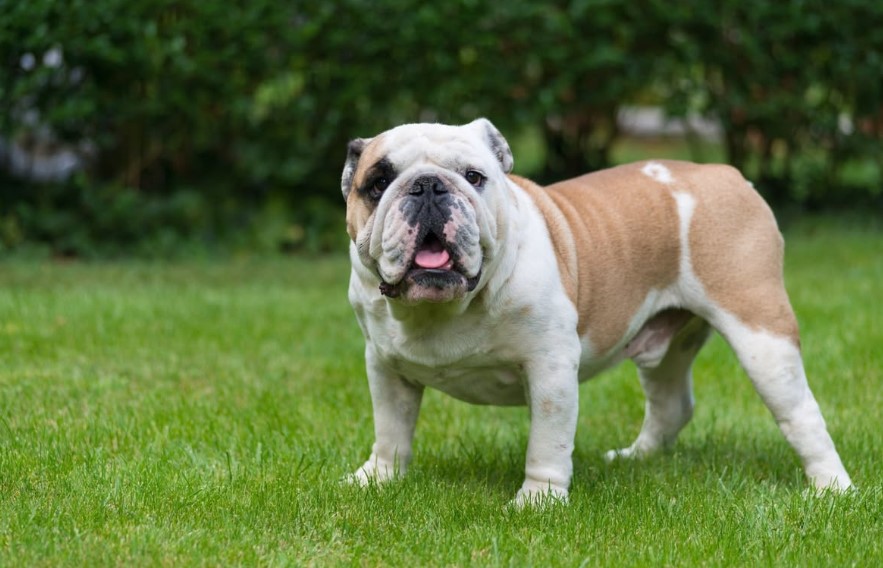
Bulldog (English Bulldog)
The English Bulldog is a medium-sized, heavy-boned dog with a distinctive wrinkled face, pushed-in nose, and sturdy build. Originally developed for bull-baiting in England, the modern Bulldog is a far gentler companion. Males typically weigh around 50 pounds and females about 40 pounds.
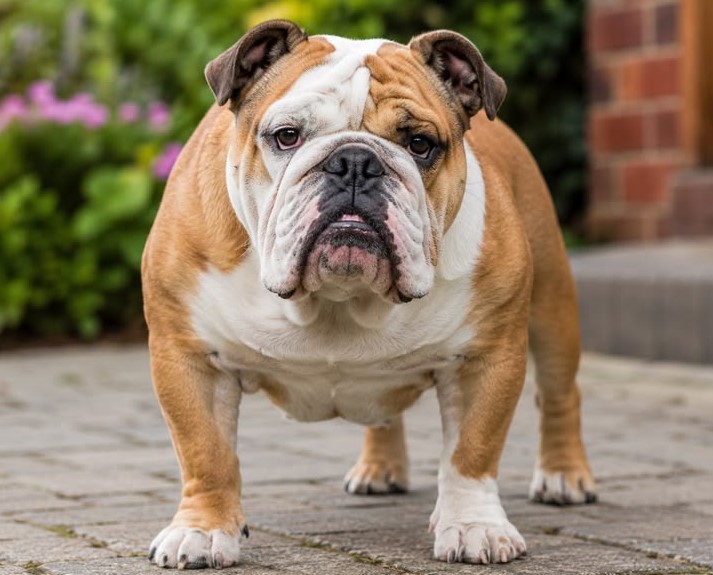
Bulldogs are calm, courageous, friendly, and dignified. They are often excellent with children and make devoted family pets. Their exercise needs are moderate; short walks and play sessions usually suffice, though care must be taken in hot weather because of their brachycephalic (short-faced) structure.
Grooming involves regular cleaning of facial wrinkles to prevent infection. Lifespan is typically 8 to 10 years. Health concerns are significant and include breathing difficulties (brachycephalic obstructive airway syndrome), skin fold dermatitis, hip dysplasia, cherry eye, and reproductive challenges (many require cesarean sections). Prospective owners should choose breeders who prioritize health and more moderate facial structure.
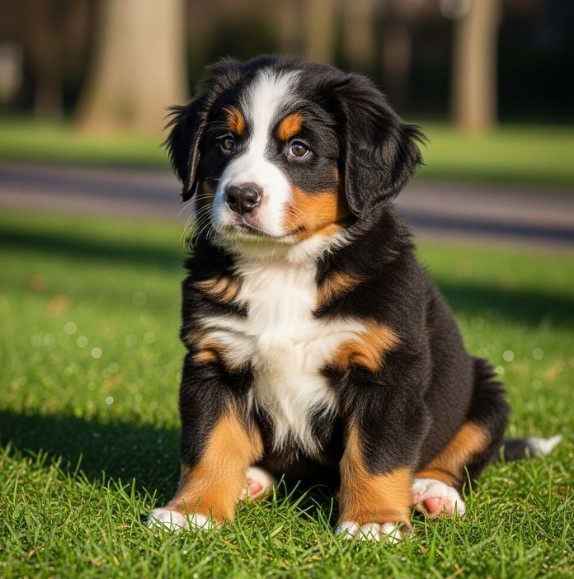
Bernese Mountain Dog
The Bernese Mountain Dog (Berner) is a large, striking tri-colored dog from the Swiss Alps, originally used as a versatile farm dog for drafting, droving, and guarding. Males stand 25 to 27.5 inches and can weigh 80 to 115 pounds; females are slightly smaller.
Berners are gentle, affectionate, calm, and deeply devoted to their families. They are usually good with children and other animals when socialized. They need moderate daily exercise and enjoy having a job or activity to share with their people. Their thick double coat requires regular brushing, especially during shedding seasons.
Lifespan is relatively short for a large breed, often 7 to 10 years. Health issues include hip and elbow dysplasia, cancer (notably histiocytic sarcoma), progressive retinal atrophy, and bloat. Responsible breeding with health testing is especially important for this breed.
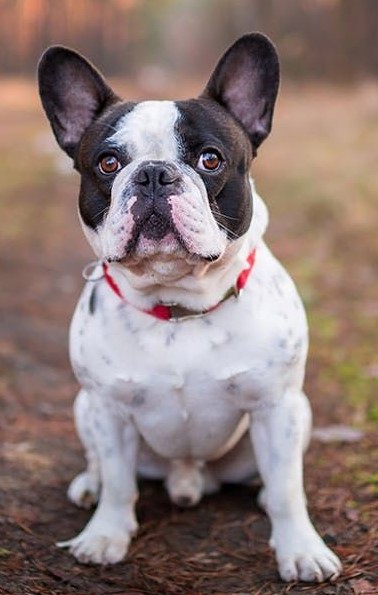
Boston Terrier
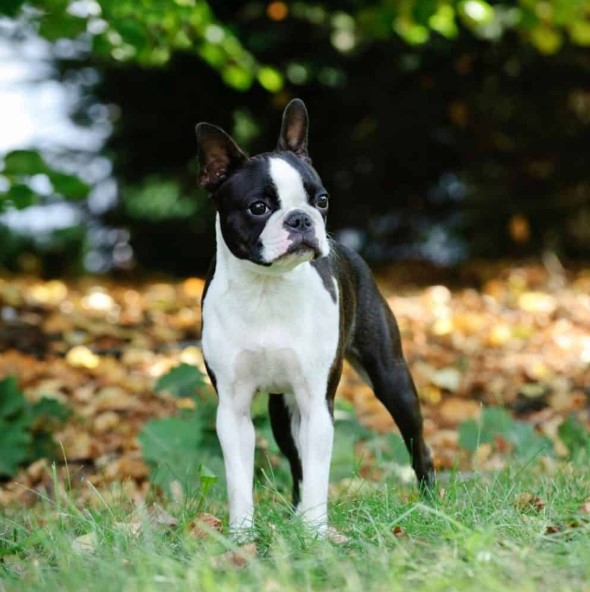
Nicknamed the “American Gentleman” for its tuxedo-like markings, the Boston Terrier is a compact, lively companion developed in the United States. Standing 15 to 17 inches and weighing 12 to 25 pounds, these dogs have a short coat, erect ears, and a characteristic short muzzle.
Bostons are friendly, bright, amusing, and affectionate. They adapt well to apartment living and generally get along with children and other pets. Exercise needs are moderate. Their short coat is easy to maintain, though facial wrinkles and eyes need attention.
Lifespan averages 11 to 13 years. Potential health concerns include brachycephalic-related breathing issues, eye problems, patellar luxation, and sensitivity to extremes of temperature. They make excellent companions for a wide range of households.
Bichon Frise
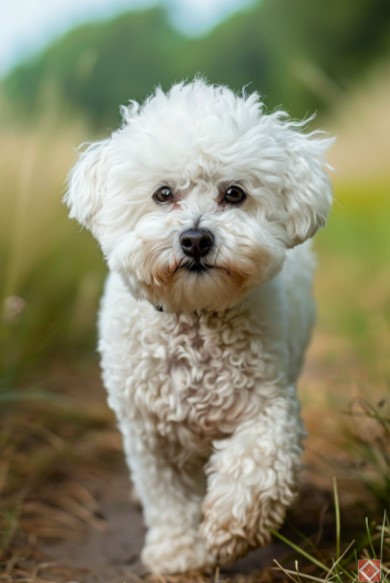
The Bichon Frise is a small, sturdy white dog with a soft, curly double coat that gives it a powder-puff appearance. Originating from the Mediterranean and refined in Europe, these dogs typically stand 9.5 to 11.5 inches and weigh 12 to 18 pounds.
Bichons are cheerful, playful, affectionate, and highly social. They usually do well with families, strangers, and other dogs. They need regular exercise and mental stimulation to prevent boredom. Their coat requires frequent grooming—professional care every few weeks plus home brushing—to prevent matting.
Lifespan is typically 14 to 15 years. Health issues can include allergies, dental disease, patellar luxation, and bladder stones. They are popular apartment dogs for people willing to commit to coat care.
Other Notable B Breeds
Basenji – The “barkless” dog from Africa. Elegant, independent, and cat-like, with a unique yodel-like vocalization. Low shedding and clean, but can be challenging to train.
Bloodhound – A large, powerful scent hound famous for its tracking ability. Gentle and affectionate but stubborn and drooly. Needs experienced handling.
Brittany – An energetic, versatile sporting dog excellent for hunting and active families. Friendly and eager to please.
Briard – A large, shaggy French herding dog known for loyalty, intelligence, and protective instincts. Requires substantial grooming and training.
Bouvier des Flandres – A powerful, tousled-coated herding and working breed from Belgium/Flanders. Steady, courageous, and devoted.
Bull Terrier – Distinctive egg-shaped head and muscular build. Playful, stubborn, and people-oriented. Needs firm, consistent training.
Bullmastiff – A large guardian breed developed to guard estates. Calm, loyal, and protective. Requires experienced ownership due to size and strength.
Belgian Malinois (and related Belgian Shepherds) – Highly intelligent, driven working dogs popular in police and military roles. Best for experienced, active owners.
Bearded Collie – A shaggy, boisterous Scottish herding breed full of personality and energy.
Borzoi – An elegant Russian sighthound (formerly Russian Wolfhound). Independent, quiet indoors, and built for speed.
Boerboel – A massive South African mastiff-type guardian. Powerful and protective; requires experienced handling.
Additional B breeds include the Bedlington Terrier, Black and Tan Coonhound, Bluetick Coonhound, Bolognese, Boykin Spaniel, Bracco Italiano, and various rarer or regional varieties recognized by different kennel clubs.
General Care Tips for B Breeds
Because B breeds are so diverse, care needs vary widely. Key principles include:
- Match energy level to lifestyle. Border Collies and Boxers need far more activity than Bulldogs or Basset Hounds.
- Prioritize training and socialization, especially for independent, strong-willed, or protective breeds.
- Address breed-specific health risks through responsible breeding, regular veterinary care, and weight management.
- Consider climate. Brachycephalic breeds (Bulldog, Boston Terrier) struggle in heat. Thick-coated northern or mountain breeds may overheat in summer or need protection in extreme cold.
- Grooming ranges from minimal (Beagle, Boxer) to high-maintenance (Bichon Frise, Bearded Collie, Briard).
Choosing the Right B Breed
Assess your living situation, activity level, experience with dogs, and willingness to meet grooming and training demands. Visit breeders who health-test their dogs, or explore breed-specific rescues. Meeting adult dogs of the breed is often more informative than falling for puppy cuteness.
Frequently Asked Questions
What is the most popular dog breed that starts with B? The Beagle consistently ranks among the most popular in the United States and many other countries.
Which B breeds are best for families with children? Beagles, Boxers, Bernese Mountain Dogs, Boston Terriers, and well-bred Bulldogs are often excellent family dogs when properly socialized and supervised.
Which B breeds are good for apartments? Boston Terriers, Bichon Frises, Bolognese, and sometimes Bulldogs or smaller Beagles can adapt well if their exercise needs are met.
What is the smartest dog breed starting with B? The Border Collie is widely considered one of the most intelligent dog breeds overall.
Which B breeds need the most exercise? Border Collies, Boxers, Brittanys, Belgian Malinois, and Bearded Collies rank among the highest.
Are any B breeds hypoallergenic? No dog is fully hypoallergenic, but the Bichon Frise and Bedlington Terrier produce less dander and shed less than many others, making them relatively better options for some allergy sufferers.
What is the largest dog breed starting with B? Boerboels and large Bullmastiffs or Bernese Mountain Dogs can exceed 100–150+ pounds. Some individual Boerboels approach or exceed 200 pounds.
Do B breeds have many health problems? Some do. Brachycephalic breeds face breathing and heat issues. Large breeds often have joint and cancer risks. Researching breed-specific health concerns and choosing responsible breeders significantly improves outcomes.
Conclusion
Dog breeds that start with the letter B represent an extraordinary range of sizes, temperaments, and talents. From the nose-driven Beagle and the workaholic Border Collie to the playful Boxer, the dignified Bulldog, and the devoted Bernese Mountain Dog, these breeds have earned their place in homes and hearts around the world.
The key to success is honest matching. A high-drive herding or working breed will struggle in a low-activity home, while a lower-energy companion breed may not satisfy someone seeking an athletic partner. Research thoroughly, prioritize health and temperament in your search, and prepare to meet the specific needs of the breed you choose.
When the right “B” dog meets the right owner, the result is a rewarding partnership filled with loyalty, personality, and companionship that can last a decade or more. Whether you are drawn to a merry hound, a brilliant herder, a sturdy guardian, or a cheerful companion, the B breeds offer something special. Take the time to learn, prepare your home, and welcome one of these remarkable dogs into your life.