
From the tiny, monkey-faced Affenpinscher to the powerful Alaskan Malamute and the high-energy Australian Shepherd, dog breeds that start with the letter A offer an astonishing range of sizes, temperaments, histories, and lifestyles. Whether you live in a small apartment, a busy family home, or a rural property with livestock, there is likely an “A” breed that can fit—provided you understand its needs.
This comprehensive guide explores the most popular and notable purebred dogs beginning with A. We cover origins, appearance, personality, exercise and grooming requirements, common health concerns, and suitability for different households. The goal is to help you make an informed decision if you are considering one of these remarkable companions.
Why Explore Breeds Starting With A?
Alphabetical lists are a fun and practical way to discover dogs you might otherwise overlook. The “A” group includes ancient sighthounds, hardworking herders, loyal guardians, and charming toys. Many of these breeds excel in specific roles—hunting, herding, sledding, or companionship—while others have transitioned successfully into modern family pets. Understanding their original purposes remains the best predictor of behavior and care needs today.
Check Also: Black Dog Breeds
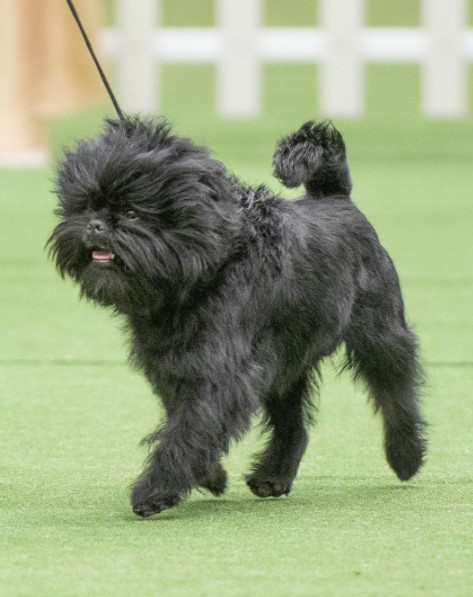
Affenpinscher
Often called the “monkey dog” (from the German Affe meaning monkey), the Affenpinscher is a small but bold toy breed. Standing 9 to 11.5 inches tall and weighing 7 to 10 pounds, these dogs have a distinctive wiry coat, prominent eyebrows, and a mustache that give them an almost human expression.
Originally bred in Germany as ratters, Affenpinschers retain a fearless, curious, and sometimes mischievous personality. They are loyal and affectionate with their families but can be stubborn and wary of strangers. Early socialization is essential. Their low-shedding coat requires regular brushing and occasional professional grooming to prevent mats. Lifespan is typically 12 to 15 years. Common health concerns include dental issues, luxating patellas, and heart conditions. They suit apartment living and experienced owners who appreciate a big personality in a small package.
Afghan Hound
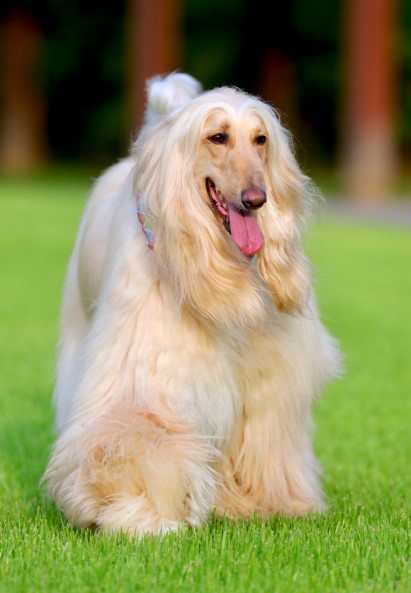
Elegant, aloof, and aristocratic, the Afghan Hound is one of the oldest known sighthound breeds, originating in the mountains of Afghanistan. Tall and graceful (24 to 29 inches, 50 to 60 pounds), they are famous for their long, silky coat and unique “topknot” of hair.
Bred to hunt by sight over rough terrain, Afghan Hounds are independent and can be challenging to train. They form strong bonds with their people but remain reserved with strangers. Their coat demands significant grooming—daily brushing and regular professional care—to stay tangle-free. They need daily exercise and a secure area to run, as their prey drive is strong. Lifespan averages 12 to 14 years. Potential health issues include hip dysplasia, cataracts, and hypothyroidism. This breed is best for experienced owners who can provide consistent training and substantial grooming commitment.
Airedale Terrier
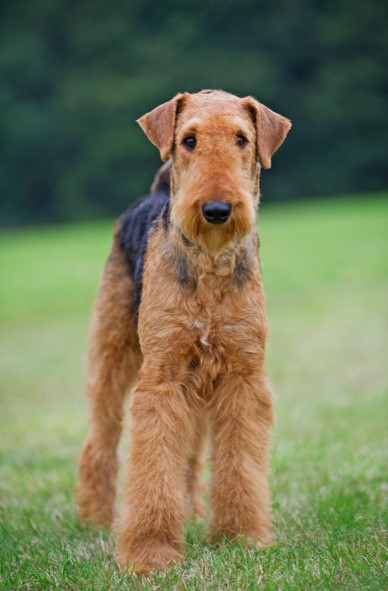
Known as the “King of Terriers,” the Airedale is the largest of the terrier breeds. Originating in the Aire Valley of Yorkshire, England, they were developed for hunting otters and rats and later served as versatile working dogs, including in wartime roles.
Standing 23 inches or more and weighing 40 to 65 pounds, Airedales have a distinctive wiry black-and-tan coat and an alert expression. They are intelligent, courageous, confident, and energetic. While loyal and good with families when properly socialized, they can be stubborn and may show dog-directed aggression if not trained carefully. Regular exercise, mental stimulation, and consistent training are essential. Their coat is relatively low-shedding but needs hand-stripping or clipping. Lifespan is typically 10 to 13 years. Health concerns include hip dysplasia, thyroid issues, and certain cancers. Airedales thrive with active owners who can channel their energy productively.
Akita
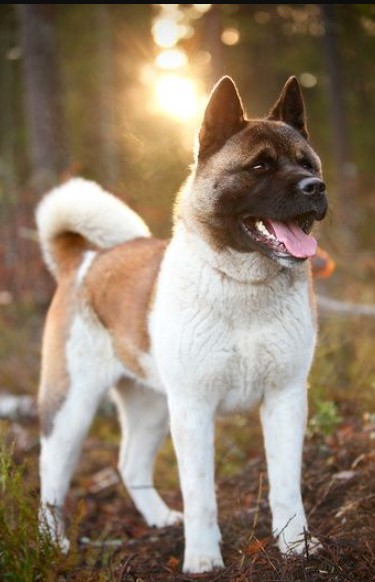
The Akita (sometimes distinguished as Japanese Akita Inu versus the larger American Akita) is a powerful, dignified breed from Japan. Historically used for hunting large game and as a guardian, Akitas are deeply loyal to their families yet often aloof with strangers and same-sex dogs.
Males stand 26 to 28 inches and can weigh 100 to 130 pounds; females are slightly smaller. They have a thick double coat, curled tail, and imposing presence. Akitas require firm, consistent training from an experienced handler and early, ongoing socialization. They need moderate daily exercise and careful management around other animals. Heavy seasonal shedding is common. Lifespan averages 10 to 13 years. Notable health risks include hip dysplasia, progressive retinal atrophy, autoimmune disorders, and bloat. This breed is best suited to confident owners who understand independent, protective dogs.
Alaskan Malamute
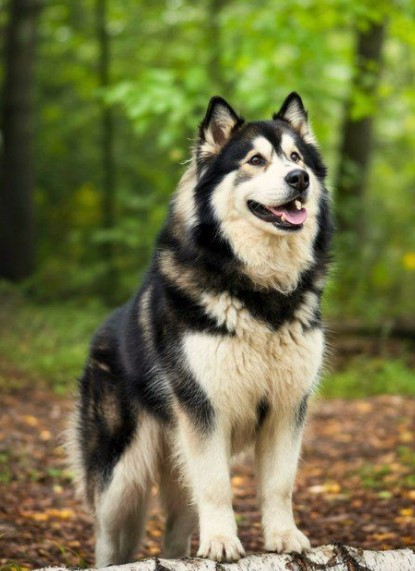
One of the oldest Arctic sled dogs, the Alaskan Malamute was developed by the Mahlemut Inuit people to haul heavy loads over long distances in harsh conditions. Powerful and substantial (23 to 25 inches, 75 to 85 pounds or more), they have a dense double coat, broad head, and plume-like tail.
Malamutes are friendly, affectionate, and pack-oriented but retain a strong independent streak and high prey drive. They are not natural guard dogs and usually greet strangers warmly. These dogs need significant daily exercise and mental stimulation; without it they can become destructive. Their heavy coat sheds year-round and “blows” heavily twice a year, requiring frequent brushing. Lifespan is typically 10 to 14 years. Health concerns include hip dysplasia, hypothyroidism, and zinc deficiency. Malamutes suit active households with space and experience handling large, strong-willed northern breeds.
American Eskimo Dog
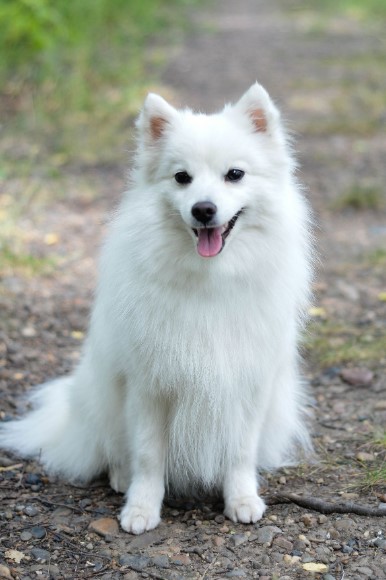
Despite the name, the American Eskimo Dog (or “Eskie”) has German Spitz roots and was popularized in the United States as a circus and companion dog. Available in toy, miniature, and standard sizes (9 to 19 inches, 6 to 35 pounds), they are fluffy white dogs with erect ears and a fox-like face.
Eskies are intelligent, alert, and highly trainable. They bond closely with their families, make excellent watchdogs, and generally do well with children when socialized. They need regular exercise and mental challenges to prevent boredom barking. Their double coat requires frequent brushing. Lifespan averages 13 to 15 years. Potential issues include hip dysplasia, progressive retinal atrophy, and dental disease. They adapt well to various living situations but prefer active companionship.
American Staffordshire Terrier
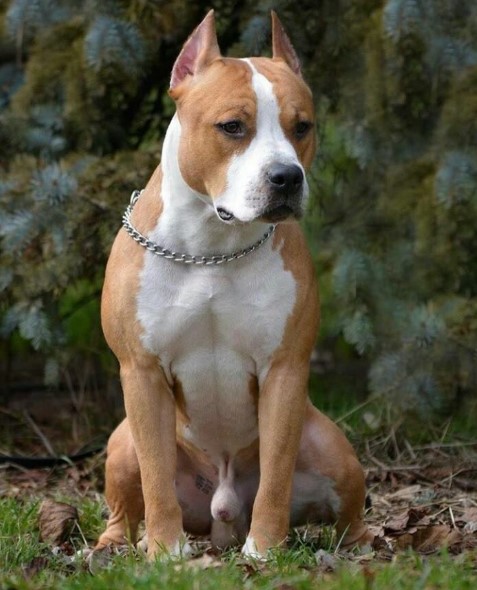
Often called the AmStaff, this muscular, confident breed shares ancestry with the American Pit Bull Terrier but has been selectively bred for a more standardized appearance and temperament suitable for companionship. Standing 17 to 19 inches and weighing 40 to 70 pounds, AmStaffs have a strong, athletic build and short, glossy coat.
They are loyal, affectionate, and people-oriented when properly raised. Early socialization and consistent, positive training are critical because of their strength and determination. They need daily exercise and thrive with jobs or sports such as weight pulling or agility. Short coats are low-maintenance. Lifespan is typically 12 to 16 years. Health concerns include hip dysplasia, skin allergies, and heart conditions. Responsible ownership, including secure fencing and ongoing training, is essential.
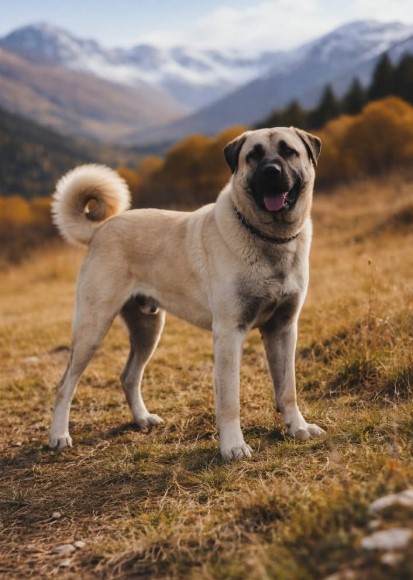
Anatolian Shepherd Dog
An ancient livestock guardian from Turkey, the Anatolian Shepherd is a large, independent, and highly protective breed. Males can exceed 150 pounds and stand 29 inches or taller. They have a short to medium coat in various colors and a serious, watchful demeanor.
Bred to work independently guarding flocks against predators, Anatolians are calm, loyal to their family, and naturally suspicious of strangers. They require experienced owners who understand livestock guardian instincts, early socialization, and firm but fair leadership. Moderate exercise is needed, but they are not high-energy companions in the sport-dog sense. Lifespan averages 11 to 13 years. Health issues can include hip dysplasia and entropion. These dogs are best for rural or experienced homes with a clear job or substantial space.
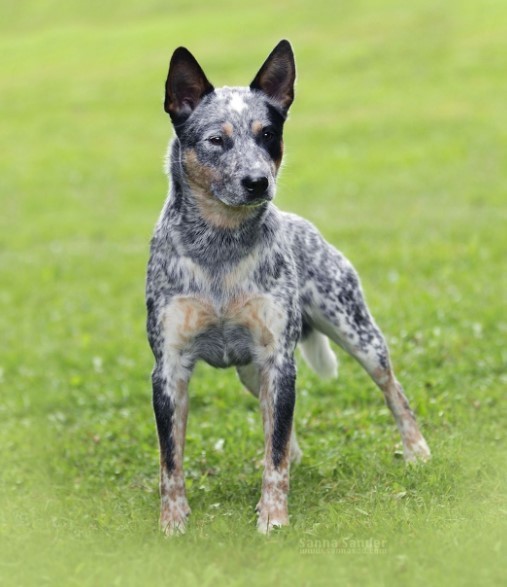
Australian Cattle Dog
Also known as the Blue Heeler or Red Heeler, this compact, muscular herding breed was developed in Australia to drive cattle over long distances. Standing 17 to 20 inches and weighing 30 to 50 pounds, they have a dense double coat in blue or red speckled patterns and an intense, intelligent expression.
Australian Cattle Dogs are extremely energetic, loyal, and hardworking. They need a job—herding, agility, or vigorous daily exercise—or they may invent their own (often undesirable) activities. They bond closely with their people and can be protective. Training and socialization from puppyhood are vital. Lifespan is often 12 to 16 years. Common health concerns include progressive retinal atrophy, hip dysplasia, and deafness. Ideal for active, experienced owners who can provide consistent mental and physical outlets.
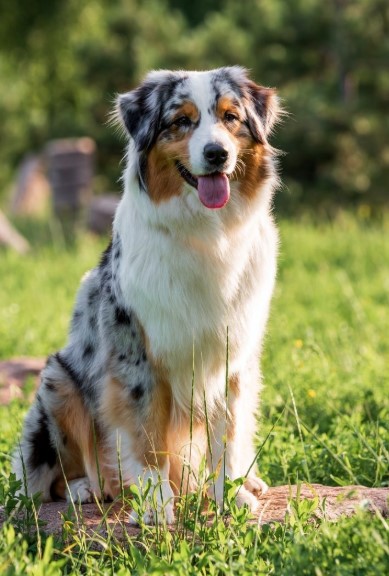
Australian Shepherd
Despite the name, the Australian Shepherd was developed in the United States as a versatile herding dog. Medium-sized (18 to 23 inches, 40 to 65 pounds), Aussies are known for their merle coats, striking eyes (often blue or heterochromatic), and exceptional intelligence and athleticism.
They are energetic, highly trainable, and thrive on having a purpose. Aussies excel in agility, obedience, herding trials, and as active family companions. Without enough stimulation they can become restless or develop unwanted behaviors. Regular grooming of their moderate double coat is needed. Lifespan averages 12 to 15 years. Health issues include hip dysplasia, eye disorders (including hereditary cataracts and progressive retinal atrophy), and epilepsy. They suit active families committed to training and exercise.
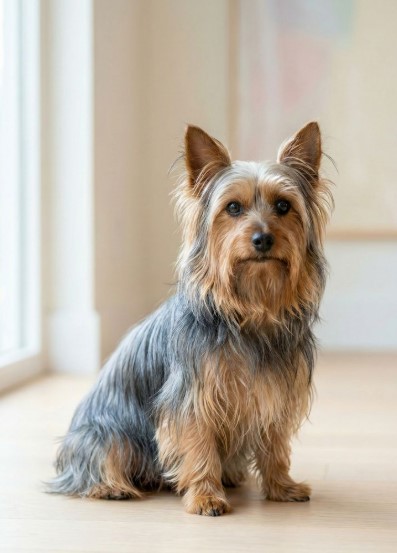
Australian Terrier
A small but sturdy terrier from Australia, this breed stands about 10 to 11 inches and weighs 15 to 20 pounds. They have a rough, weather-resistant coat in blue-and-tan or sandy/red shades and a confident, spirited personality.
Australian Terriers are alert, affectionate, and relatively adaptable. They retain terrier traits—curiosity, tenacity, and a tendency to bark—and need consistent training. Moderate exercise and mental stimulation keep them happy. Their coat requires regular brushing. Lifespan is typically 11 to 15 years. Potential concerns include luxating patellas and diabetes. They can do well in apartments with sufficient activity.
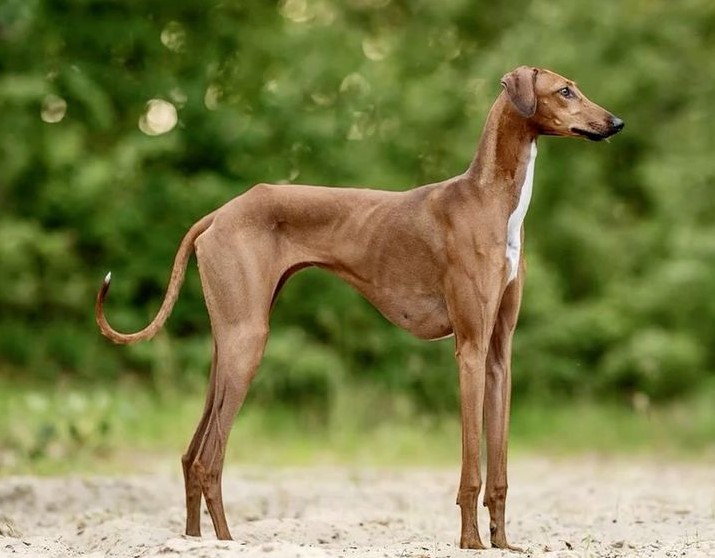
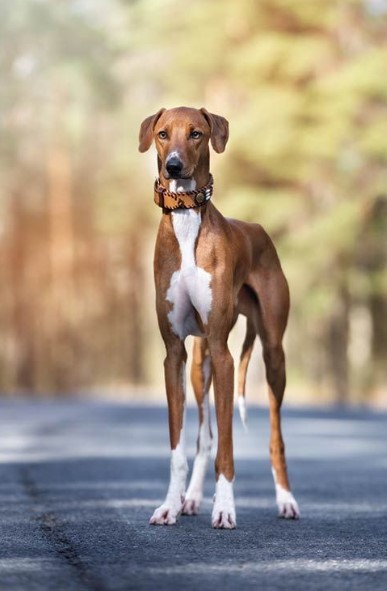
Azawakh
A rare and elegant sighthound from West Africa (particularly the Sahel region), the Azawakh is tall, lean, and athletic (24 to 29 inches, 33 to 55 pounds). They have a short, fine coat in various colors and a distinctive high-set tail.
Bred by nomadic tribes as hunting and guard dogs, Azawakhs are independent, loyal to their family, and reserved with strangers. They need secure fencing because of their speed and prey drive, plus daily opportunities to run. Grooming is minimal. Lifespan averages 12 to 15 years. Health considerations include sensitivity to anesthesia and certain genetic issues. Best for experienced owners familiar with sighthounds.
Other Notable A Breeds
Additional recognized or emerging breeds include the American Eskimo Dog (already covered), American Water Spaniel, American Foxhound, American Hairless Terrier, Appenzeller Sennenhund, and various livestock guardians such as the Aidi or Akbash. Mixed breeds and designer crosses (Aussiedoodle, Alusky, etc.) also appear frequently but fall outside purebred standards.
General Care Considerations for A Breeds
Because the “A” group is so diverse, care needs vary widely. Key principles apply across many:
- Exercise and mental stimulation: Herding and working breeds (Australian Shepherd, Australian Cattle Dog, Airedale) require substantial daily activity. Guardians and northern breeds need space and purposeful outlets. Toys and independent breeds need less volume but still benefit from routine walks and enrichment.
- Training and socialization: Independent or strong-willed breeds (Akita, Afghan Hound, Anatolian) demand experienced, consistent handlers. Early positive socialization reduces risk of fear or aggression.
- Grooming: Long-coated breeds (Afghan Hound, some Aussies) need significant coat care. Double-coated northern and herding dogs shed heavily. Short-coated dogs are easier but still require basic maintenance.
- Health screening: Responsible breeders test for breed-specific issues such as hip dysplasia, eye diseases, and cardiac conditions. Ask for documentation.
- Lifestyle match: High-energy herders are poor choices for sedentary households. Large guardians need experienced owners and secure property. Toy breeds may struggle in homes with very young children if not supervised.
Choosing the Right Dog Breed Starting With A
Consider your living situation, activity level, experience with dogs, and willingness to meet grooming and training demands. Visit breeders or breed rescue organizations, meet adult dogs when possible, and research temperament beyond puppy cuteness. Adoption is an excellent option—many purebred and mixed “A” dogs await homes through breed-specific rescues.
Frequently Asked Questions
What is the most popular dog breed that starts with A? The Australian Shepherd consistently ranks among the most popular in the United States and many other countries due to its intelligence, versatility, and striking appearance.
Which A breeds are good for first-time owners? Generally, the American Eskimo Dog and some well-bred Australian Terriers or Affenpinschers can work for beginners who commit to training. High-drive herders, independent guardians, and large strong-willed breeds are better left to experienced handlers.
Are any A breeds hypoallergenic? No dog is truly hypoallergenic, but the Affenpinscher and Airedale Terrier produce less dander and shed less than many others, making them relatively better choices for some allergy sufferers.
Which A breeds need the most exercise? Australian Cattle Dogs, Australian Shepherds, Airedale Terriers, and Alaskan Malamutes rank among the highest. They need vigorous daily activity and mental work.
What is the largest dog breed starting with A? Anatolian Shepherds and large Akitas or Alaskan Malamutes can exceed 100–150 pounds. Some individual Anatolians are among the heaviest.
Do any A breeds make good apartment dogs? Affenpinschers, Australian Terriers, and smaller American Eskimo Dogs can adapt to apartments if their exercise and mental needs are met. Large or high-energy breeds generally need more space.
How long do most A breeds live? Many range from 10 to 15 years. Smaller breeds such as Affenpinschers and Australian Terriers often live longer than large working breeds like Akitas or Anatolians.
Are A breeds good with children? Many can be excellent family dogs when properly socialized and supervised. Australian Shepherds, American Eskimo Dogs, and well-raised AmStaffs often do well. Independent or strong guardian breeds require careful matching and management.
Conclusion
Dog breeds that start with the letter A form a remarkably diverse group, spanning toy companions, elegant sighthounds, tireless herders, powerful sled dogs, and steadfast guardians. Each brings unique gifts—loyalty, intelligence, athleticism, or quiet dignity—along with specific requirements for exercise, training, grooming, and socialization.
The key to a successful partnership is honest self-assessment. Match the dog’s original purpose and energy level to your lifestyle, prioritize responsible breeding or adoption sources, and commit to lifelong training and care. When the right “A” breed meets the right owner, the result is a deeply rewarding relationship that can last more than a decade.
Whether you fall for the mischievous charm of an Affenpinscher, the regal beauty of an Afghan Hound, the tireless enthusiasm of an Australian Shepherd, or the quiet strength of an Anatolian Shepherd, these dogs remind us why the letter A stands for amazing. Take the time to research thoroughly, meet dogs in person, and prepare your home and heart. The perfect A-breed companion may be waiting to begin the next chapter of your life together.