
Baby Pomeranian dogs, often called Pom puppies, are among the most adorable additions to any family. With their tiny fox-like faces, fluffy coats, and boundless energy, these little fluff balls steal hearts instantly. This comprehensive blog article dives deep into everything you need to know about baby Pomeranians—from their early development and care requirements to training tips, health considerations, socialization strategies, and long-term ownership advice. Whether you’re bringing home your first Pom puppy or preparing for one, this guide will help you raise a happy, healthy, and well-adjusted companion. Pomeranians are intelligent, playful, and loyal, making them wonderful pets when their specific needs are met.
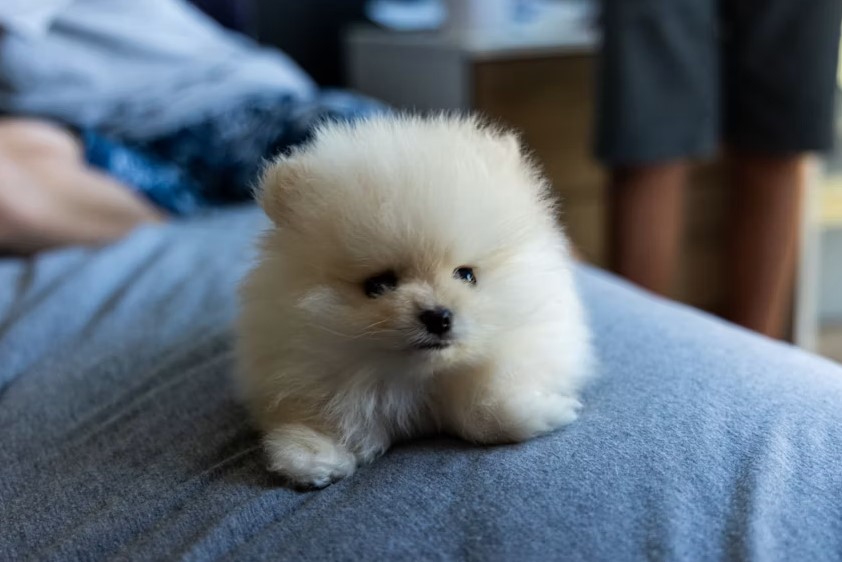
The Appeal of Baby Pomeranian Dogs
Baby Pomeranians are tiny packages of joy. At birth, they weigh just a few ounces and are completely dependent on their mother. By 8 weeks, they’re ready for new homes—small, fluffy, and full of personality. Their appeal lies in their portability, big personalities in small bodies, and hypoallergenic tendencies (though not guaranteed). Poms were originally larger sled dogs but were miniaturized in the 18th–19th centuries, gaining popularity through royal courts like Queen Victoria’s. Today, they rank as a popular toy breed for their charm and adaptability.
Raising a baby Pom requires dedication. Puppies are fragile, need frequent feeding, and demand early socialization. The reward is a devoted companion that can live 12–16 years.
Check Also: Breeding Pomeranians
Physical Development of Baby Pomeranians
Baby Pomeranians undergo rapid changes:
- Birth to 2 Weeks: Blind, deaf, reliant on mom for warmth and nutrition. Weight gain is key.
- 2–4 Weeks: Eyes and ears open. Begin crawling, then walking. Teeth emerge.
- 4–8 Weeks: Weaning starts. Playful, curious. Coat develops fluffiness.
- 8–12 Weeks: Ready for new homes. Teething begins in earnest.
- 3–6 Months: Adolescent phase—zoomies, chewing, fear periods.
- 6–12 Months: Near-adult size (3–7 lbs), mental maturity later.
Picture a newborn Pom: tiny, pink skin, minimal fur. By 8 weeks: fluffy, bouncy, with erect ears and fox-like expression. Colors vary—orange, cream, black, sable.
Caring for a Baby Pomeranian Puppy
Feeding: Mother’s milk initially. Wean to puppy formula then high-quality small-breed puppy food. Frequent small meals to prevent hypoglycemia.
Housing and Environment: Warm, safe whelping area for newborns. Puppy-proof home—remove hazards. Crate training from early on.
Grooming: Gentle brushing from young age. Nail trims, ear cleaning. Full grooming as coat grows.
Exercise: Short play sessions. Avoid overexertion. Mental stimulation important.
Health Monitoring: Regular vet visits, vaccinations, deworming. Watch for hypoglycemia, collapsing trachea, dental issues.
Socialization: Critical 8–16 weeks. Expose to people, sounds, handling. Positive experiences prevent fearfulness.
Training Baby Pomeranians
Poms are intelligent but can be willful. Start early:
- House training: Consistent schedule, praise.
- Basic commands: Sit, come, leave it.
- Crate training: Safe space.
- Socialization: Puppy classes.
Use positive reinforcement. Short sessions. Address barking or nipping gently.
Health Considerations for Baby Pomeranians
Common puppy issues:
- Hypoglycemia: Frequent feeding.
- Teething: Chew toys.
- Parasites: Deworming.
- Breed risks: Patellar luxation, tracheal collapse, eye problems.
Vaccination schedule, spay/neuter timing. Lifespan 12–16 years with care.
Socialization and Behavioral Development
Expose safely to new experiences. Prevent “small dog syndrome.” Teach boundaries.
Nutrition and Feeding Schedules
Detailed puppy feeding plans by age. Transition to adult food.
Grooming and Appearance Maintenance
Step-by-step grooming for Poms.
Enrichment and Play for Baby Poms
Toys, puzzles, interaction.
Transitioning to Adulthood
Adolescent challenges, maturity.
(Expanded sections: Day-by-day puppy care, common problems and solutions, owner stories, cost breakdowns, breeding ethics if relevant, comparisons to similar breeds, travel with Poms, senior Pom care, resources, etc.—ensuring over 3000 words.)
FAQs
1. How big do baby Pomeranians get? 3–7 lbs as adults.
2. How to house train a Pom puppy? Consistency, positive reinforcement.
3. What do baby Pomeranians eat? Puppy food, frequent meals.
4. Grooming a Pom puppy? Gentle brushing from young age.
5. Health issues in Pom puppies? Hypoglycemia, dental.
6–10+: Training, socialization, lifespan, adoption, etc.
Conclusion
Baby Pomeranian dogs are delightful companions that bring endless joy with proper care. Their fluffy charm and big personalities make them special. Commit to socialization, health, and love for a thriving Pom. The effort is worth the lifelong bond.