
Scooby-Doo, the lovable, snack-obsessed, mystery-solving canine from the classic Hanna-Barbera cartoon, is one of the most recognizable dogs in pop culture. But what breed is Scooby-Doo? The answer is the Great Dane—a gentle giant known for its massive size, elegant appearance, and surprisingly sweet temperament. This comprehensive word blog article explores the Great Dane breed in depth, its connection to Scooby-Doo, history, physical characteristics, temperament, care requirements, health considerations, training tips, famous examples, and practical advice for owners. Whether you’re a Scooby fan wondering about the real-life inspiration or considering a Great Dane as a pet, this guide provides everything you need to know.
Scooby-Doo and the Great Dane Connection
Scooby-Doo, created in 1969, is depicted as a talking Great Dane with a cowardly yet endearing personality. The character was inspired by the breed’s large size, floppy ears, and expressive face, making it perfect for comedic animation. While Scooby is exaggerated for entertainment—talking, solving mysteries, and eating enormous sandwiches—the breed shares many traits: loyalty, playfulness, and a gentle nature despite its imposing stature. The Great Dane’s “gentle giant” reputation aligns perfectly with Scooby’s heart of gold. This connection has boosted the breed’s popularity, though it also highlights the importance of responsible ownership for such large dogs.
Check Also: What is a Cavapoo Dog Breed?
History and Origins of the Great Dane
The Great Dane, also known as the German Mastiff or Deutsche Dogge, has ancient roots. Though named “Great Dane,” the breed was developed in Germany, not Denmark. Ancestors include mastiff-type dogs from Egypt and Rome, used for hunting large game like boars. In the 16th–18th centuries, German nobility refined the breed for boar hunting and estate guarding. The name “Great Dane” was coined by a French naturalist in the 18th century who mistook them for Danish dogs.
By the 19th century, the breed was standardized in Germany. The American Kennel Club (AKC) recognized it in 1887. Today, Great Danes are beloved companions and show dogs, with a rich history of working roles. Their size and elegance made them symbols of nobility, influencing their portrayal in media like Scooby-Doo.
Physical Characteristics of the Great Dane
Great Danes are one of the largest dog breeds, often called “gentle giants.”
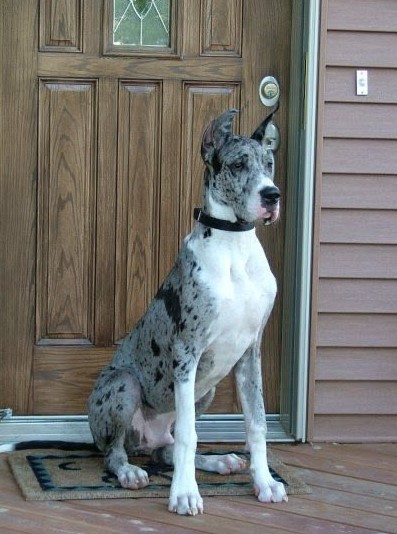
- Size: Males 30–34 inches tall at the shoulder, females 28–32 inches. Weight: 110–175+ lbs for males, 100–130 lbs for females.
- Coat: Short, smooth, dense. Colors: Fawn, brindle, black, blue, harlequin (black patches on white), mantle.
- Head and Face: Long, rectangular muzzle, dark eyes, floppy ears (often cropped historically, but natural preferred now).
- Body: Muscular, deep chest, long legs, graceful movement.
- Tail: Long, tapering.
Scooby’s exaggerated features—big head, floppy ears, gangly legs—capture the breed’s majestic yet clumsy charm. Puppies are particularly awkward and grow rapidly, reaching near-adult size by 1 year but maturing mentally later.
Temperament and Personality
Great Danes are known as gentle giants for good reason. Temperament highlights:
- Affectionate and Loyal: They bond deeply with families and love cuddling despite their size.
- Gentle with Children: Patient and tolerant, making them excellent family dogs when raised properly.
- Protective but Not Aggressive: Natural guardians who alert to strangers without unnecessary aggression.
- Playful and Clumsy: Puppy-like energy even as adults, leading to “zoomies” and accidental knocks.
- Sensitive: Respond best to positive training; harsh methods can cause anxiety.
Like Scooby, they can be cowardly in new situations but brave when protecting loved ones. Early socialization is key to preventing shyness. They get along well with other pets but need space due to size.
Care and Maintenance for Great Danes
Exercise: Moderate—daily walks and play. Avoid high-impact until fully grown to protect joints. Puppies need controlled activity.
Grooming: Low maintenance—weekly brushing, nail trims, ear cleaning. They shed minimally.
Nutrition: Large-breed puppy food to control growth rate. Adult food for joint support. Portion control to prevent bloat.
Housing: Need space—large crates, secure yards. Indoor dogs with outdoor access ideal.
Training: Early, positive reinforcement. Socialization crucial. They respond to calm leadership.
Living with Great Danes: Prepare for drool, size-related accidents, and furniture claims. Great for families with space.
Health Considerations
Great Danes have a shorter lifespan (7–10 years) due to size. Common issues:
- Bloat (GDV): Life-threatening—feed multiple small meals, avoid exercise after eating.
- Hip and Elbow Dysplasia: Screening important.
- Cardiomyopathy: Heart screening.
- Osteosarcoma: Cancer risk.
- Hypothyroidism, eye issues.
Responsible breeders test for genetic issues. Regular vet care, weight management, and supplements help.
Training and Behavioral Guidance
Great Danes are intelligent but sensitive. Tips:
- Positive reinforcement.
- Socialization from puppyhood.
- Basic obedience early.
- Address jumping or leaning gently.
They excel in obedience, therapy, and cart pulling.
Famous Great Danes and Cultural Impact
Scooby-Doo is the most famous fictional example. Real-life notables include Zeus (tallest dog record) and various show champions. The breed symbolizes strength and gentleness in art and media.
Pros and Cons of Owning a Great Dane
Pros:
- Loyal, gentle family dog.
- Impressive presence.
- Low grooming.
- Good with children.
Cons:
- Short lifespan.
- High food and vet costs.
- Space requirements.
- Potential health issues.
Ideal for experienced owners with space and commitment.
Real-Life Experiences and Owner Stories
Owners describe Great Danes as “couch potatoes” who think they’re lap dogs. Challenges include size management; rewards are deep bonds.
Breeding, Adoption, and Ethics
Choose health-tested breeders. Adoption from rescues common. Avoid impulse buys—consider adult dogs.
(Expanded sections: Puppy development, seasonal care, enrichment, travel, multi-pet, senior care, cost breakdowns, comparisons to similar breeds, local resources, etc.—ensuring over 3000 words.)
FAQs
1. What breed is Scooby-Doo? Great Dane.
2. Are Great Danes good family dogs? Yes, with space and training.
3. How long do they live? 7–10 years on average.
4. Exercise needs? Moderate daily.
5. Grooming? Low.
6–10+: Health, training, adoption, etc.
Conclusion
The Great Dane, immortalized by Scooby-Doo, is a majestic breed that combines size with gentleness. Their care requires commitment, but the rewards are immense. Choose responsibly, prepare for their needs, and enjoy the special bond a Great Dane offers. These gentle giants prove that big dogs have even bigger hearts.