
The question of “most aggressive cat breeds” is one of the most common — and often misunderstood — searches among prospective cat owners. Images of hissing, swatting felines or dramatic stories of territorial cats fuel the perception that certain breeds are inherently dangerous or difficult. However, feline behavior experts, veterinarians, and major cat registries consistently emphasize that no cat breed is inherently aggressive. Aggression in cats is far more influenced by genetics interacting with environment, early socialization, health issues, stress, pain, and individual personality than by breed alone.
That said, some breeds do have stronger personalities, higher energy levels, more pronounced territorial instincts, or greater sensitivity, which can manifest as assertive or defensive behaviors if their needs are not met. In this comprehensive guide, we’ll explore breeds often labeled as “more aggressive,” the science and realities behind these perceptions, how to successfully raise confident and affectionate cats from these lines, prevention strategies, and practical advice for 2026 cat owners.
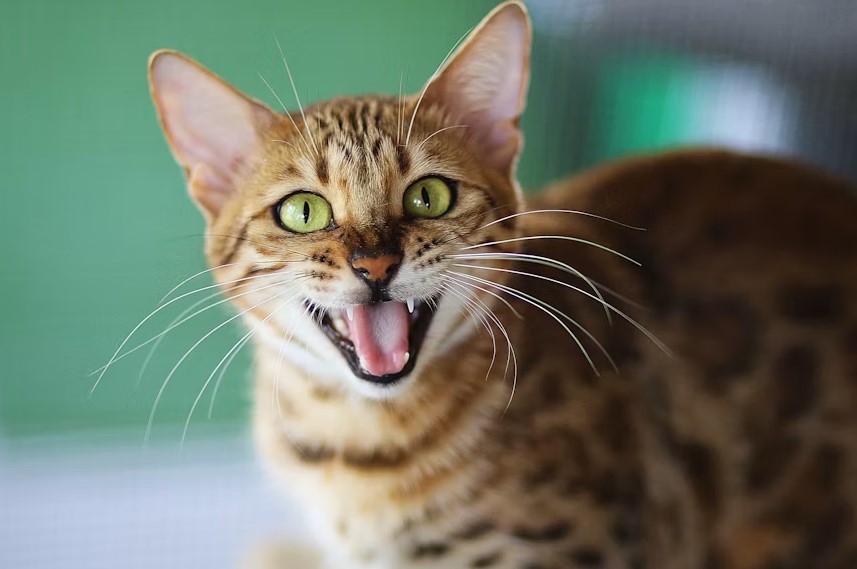
Understanding Feline Aggression: It’s Not Just About Breed
True aggression (unprovoked attacks, severe biting, or chronic fear-based reactivity) is relatively rare in well-socialized domestic cats. Most “aggressive” behaviors are actually:
- Fear-based defensive aggression
- Territorial or redirected aggression
- Pain or medical-related aggression
- Play aggression (especially in under-stimulated young cats)
- Resource guarding
Factors that influence behavior more than breed:
- Early socialization (2–9 weeks is critical)
- Genetics within individual bloodlines
- Environment and stress levels
- Health status (thyroid issues, dental pain, arthritis)
- Owner experience and consistency
Responsible breeders select against extreme temperaments, focusing on confident, affectionate cats. Poor breeding practices can amplify undesirable traits.
Cat Breeds Often Perceived as More Aggressive or Assertive
Here are breeds frequently discussed in conversations about stronger or more challenging personalities. These are not “aggressive breeds” but ones that require experienced owners who understand their needs.
1. Siamese and Oriental Breeds Siamese, Balinese, Oriental Shorthairs, and Colorpoint Shorthairs are highly intelligent, vocal, and demanding. They form intense bonds with their people and can become frustrated or destructive if ignored or bored. Their strong will and loud “talking” can be misinterpreted as aggression. With proper stimulation and attention, they are loving and loyal companions. Many owners describe them as “dog-like” in their devotion.
2. Bengal Bengals have wild Asian leopard cat ancestry, giving them high energy, athleticism, and strong hunting instincts. They are curious, intelligent, and can be pushy or demanding. Poorly socialized or under-enriched Bengals may show frustration through scratching, biting during play, or territorial behaviors. Responsible breeders produce calmer, people-oriented lines. They thrive with vertical space, puzzle toys, and interactive play.
3. Savannah Early-generation Savannahs (hybrid of domestic cat and African Serval) are tall, active, and retain more wild traits. They can be territorial, high-energy, and less tolerant of rough handling. Many later generations are calmer. Legal restrictions exist in some areas due to their wild ancestry. Not suitable for novice owners or homes with small children or other small pets.
4. Sphynx Hairless Sphynx cats are extremely affectionate and attention-seeking. Because they lack fur, they are more sensitive to temperature and touch. Some individuals can become overstimulated or defensive if their need for warmth and contact isn’t met. Most are velcro cats who want constant interaction.
5. Abyssinian Active, curious, and athletic Abyssinians love heights and exploration. They can be demanding and may redirect energy into nipping or chasing if bored. They are generally not aggressive toward people but need outlets for their high drive.
6. Scottish Fold While known for cute folded ears, some lines suffer from painful cartilage and joint issues (osteochondrodysplasia), which can lead to irritability or pain-related aggression. Reputable breeders are moving away from extreme folds. Temperament is usually sweet when health is good.
Other Breeds Sometimes Mentioned:
- Persians and Exotics: Can be grumpy due to health issues (breathing difficulties, eye problems) rather than true aggression.
- Russian Blue: Reserved with strangers but rarely aggressive.
- Domestic Shorthairs/Longhairs: Individual mixed-breed cats can show strong territorial behavior depending on background.
Why Some Cats Display Aggressive Behaviors
Common triggers:
- Lack of early socialization
- Pain or illness
- Overstimulation (petting aggression)
- Resource competition in multi-cat homes
- Fear from past trauma
- Hormonal influences (unneutered cats)
How to Raise a Confident, Non-Aggressive Cat from Any Breed
Success depends more on environment than breed:
- Early Socialization: Expose kittens positively to people, handling, sounds, and other animals between 2–12 weeks.
- Enrichment: Vertical space, scratching posts, puzzle feeders, interactive toys, and regular play.
- Positive Reinforcement Training: Clicker training works well for high-energy breeds.
- Neutering/Spaying: Reduces territorial and hormonal aggression.
- Routine and Stability: Consistent schedules reduce stress.
- Multi-Cat Management: Provide enough resources (litter boxes, perches, food stations) to prevent competition.
Choosing the Right Cat for Your Home
If you want a calmer companion, consider Ragdolls, British Shorthairs, or well-socialized mixed breeds. For active homes, Bengals or Abyssinians can be rewarding with proper outlets. Always meet the parents and spend time with kittens before deciding.
Adopting adult cats from shelters allows you to see established personalities.
Health and Lifespan Considerations
Breeds with wild ancestry or extreme features may have specific health risks. Regular veterinary care, high-quality diet, and weight management support better behavior and longer lives (average 12–18 years).
Pros and Cons of Strong-Personality Breeds
Pros:
- Highly intelligent and engaging
- Strong bonds with owners
- Entertaining to watch and interact with
- Excellent for active, experienced owners
Cons:
- Higher needs for mental and physical stimulation
- Potential for vocalization or demanding behavior
- Not ideal for very young children or elderly owners seeking lap cats
- Can be more challenging for first-time owners
Real-Life Experiences with Stronger Cat Breeds
Many owners of Bengals and Siamese report initial challenges with energy and vocalization that resolve with consistent routines, enrichment, and training. One owner described her Savannah as a “tiny leopard with a big heart” who became calmer after two years of structured play and clicker training. Mixed-breed cats with strong personalities often surprise owners with their adaptability when given proper care.
Conclusion
There are no truly “most aggressive cat breeds” — only cats with stronger personalities, higher energy, or specific needs that can appear more assertive when those needs are unmet. Breeds like Siamese, Bengals, Savannahs, and Abyssinians often top lists because of their intelligence, activity levels, and independence, but with responsible breeding, early socialization, proper enrichment, and experienced ownership, they become wonderful, affectionate companions.
The key to a harmonious relationship with any cat is understanding its individual needs rather than relying on breed stereotypes. Focus on socialization, environmental enrichment, health care, and positive interactions. Whether you choose a high-energy Bengal, a chatty Siamese, a gentle Ragdoll, or a lovable mixed-breed rescue, the bond you build will be shaped far more by your care and commitment than by the cat’s pedigree.
In 2026, as cat ownership continues to grow, informed and responsible owners are raising happier, better-adjusted cats across all breeds. Take time to research, meet cats in person, and prepare your home and lifestyle. The right cat — regardless of breed — will reward you with years of companionship, entertainment, and unconditional love.